
Decongestant Safety Calculator
Personal Risk Assessment
This tool helps determine if decongestants are safe for you based on your current health conditions.
Enter your current blood pressure reading
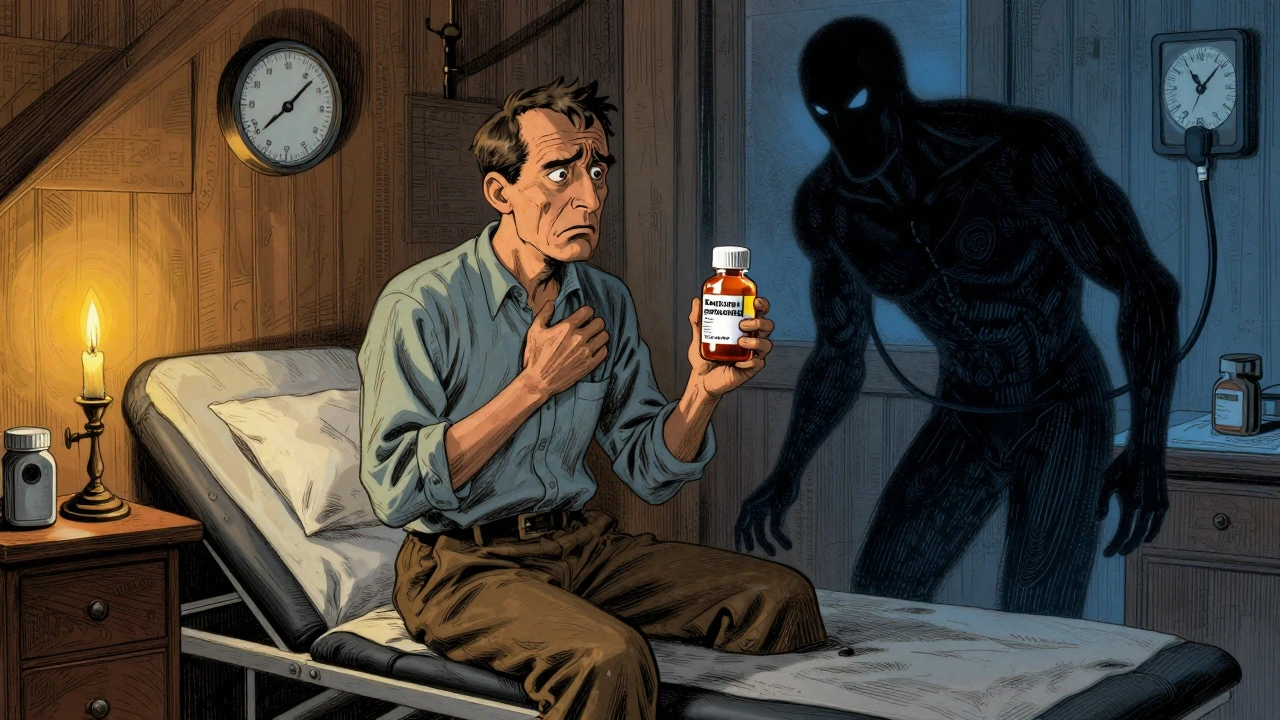
When you’re stuffed up from a cold, it’s tempting to grab the first decongestant on the shelf. But if you have heart disease or high blood pressure, that little bottle could be more dangerous than you think. Decongestants like pseudoephedrine and phenylephrine don’t just clear your nose-they tighten blood vessels all over your body. And for someone with a weak or strained heart, that’s not a minor side effect. It’s a red flag.
How Decongestants Actually Work
Decongestants are designed to shrink swollen nasal tissues by narrowing blood vessels. That’s why your nose feels clearer within minutes. But here’s the catch: they don’t stop at your nose. These drugs-especially the oral kinds like Sudafed-are absorbed into your bloodstream and affect blood vessels everywhere. That includes the ones feeding your heart, brain, and kidneys.
The main culprits are pseudoephedrine and phenylephrine. Both are alpha-adrenergic agonists, meaning they mimic adrenaline. That’s why they work so well for congestion. But it’s also why they can spike your blood pressure, speed up your heart rate, and make your heart work harder. For a healthy person, that’s usually fine. For someone with heart disease? It’s a recipe for trouble.
The Real Risk: Blood Pressure Spikes
One study from 2005 found that even a standard dose of pseudoephedrine raised systolic blood pressure by an average of 2 to 4 mm Hg. That might sound small. But if your blood pressure is already at 160/95, a 4-point jump could push you into a dangerous range. And it’s not just numbers. In real cases, people with uncontrolled hypertension have ended up in the ER after taking decongestants.
A 5-year-old girl developed high blood pressure after taking phenylephrine as directed for a cold. Her pressure didn’t drop until the medicine was stopped. No other cause was found. That’s not rare. A 40-year-old man went into heart failure after overusing a nasal spray containing naphazoline. He didn’t even take an oral pill-just a few sprays a day. His heart couldn’t handle the extra strain.
Topical sprays like Afrin are often seen as safer. But they’re not risk-free. One study showed a noticeable rise in heart rate after just a week of regular use. And while blood pressure didn’t spike much in most patients, that’s not true for everyone. If you already have heart disease, your body can’t compensate the way a healthy one can.
Who’s at Highest Risk?
Not everyone with heart trouble needs to avoid decongestants entirely-but some people absolutely should. The American Heart Association and Mayo Clinic both list four high-risk groups:
- People with uncontrolled high blood pressure
- Those with heart failure
- Patients with arrhythmias (like atrial fibrillation or ventricular tachycardia)
- Anyone with coronary artery disease or a history of heart attack
Even if your blood pressure is usually under control, being sick adds stress. Your heart rate goes up. Your body fights inflammation. Your immune system is already working overtime. Adding a decongestant on top of that? It’s like flooring the gas pedal while your engine’s overheating.
Harvard Health says the blood pressure increase from pseudoephedrine is usually minimal in people with well-managed hypertension. But that’s a big "if." If you’ve had recent changes in your meds, skipped doses, or had a stressful week, your numbers might be higher than you think. And you won’t know until it’s too late.

What About Topical vs. Oral?
Many assume nasal sprays are safer than pills. That’s partly true-but not always. Oral decongestants hit your whole system. Topical ones are meant to stay local. But if you use them too long, too often, or in higher doses than recommended, they can still get into your bloodstream.
The case of the 40-year-old man who developed heart failure? He used a nasal spray with naphazoline-twice a day-for several days. He didn’t take more than the label said. But his body reacted badly. The spray wasn’t meant for long-term use, and his heart couldn’t handle the vasoconstriction.
Also, many nasal sprays combine decongestants with steroids or antihistamines. That makes it harder to track what’s causing the problem. And if you’re using multiple OTC products at once-say, a cold tablet plus a nasal spray-you’re doubling your exposure without realizing it.
What Should You Use Instead?
You don’t need decongestants to feel better. There are safer ways to clear congestion, especially if your heart is at risk.
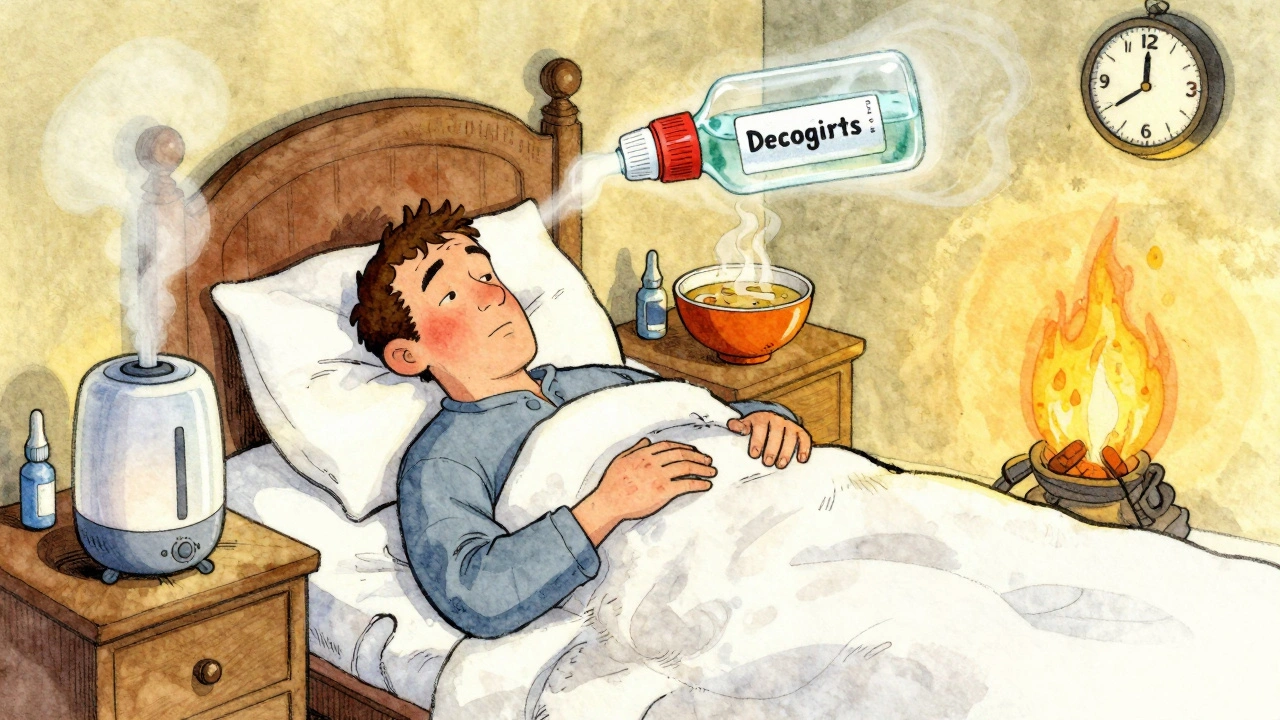
- Saline nasal sprays-these are pure salt water. They moisturize, loosen mucus, and don’t affect blood pressure.
- Steam inhalation-a hot shower or bowl of steam can open up your airways without any chemicals.
- Humidifiers-adding moisture to the air reduces swelling in nasal passages naturally.
- Guaifenesin (Mucinex)-this loosens mucus without constricting blood vessels. It’s not a decongestant, but it helps you breathe easier.
- Rest and hydration-your body heals faster when it’s not fighting dehydration or exhaustion.
And if you’re dealing with allergies? Antihistamines like loratadine or cetirizine don’t raise blood pressure. They won’t unblock your nose as fast as pseudoephedrine, but they’re far safer for your heart.
What the Labels Don’t Tell You
Most decongestant bottles say "Do not use if you have high blood pressure." But that’s not enough. Many people don’t realize they have uncontrolled hypertension. Or they think, "My doctor said my BP is fine," but they haven’t checked it in months.
That’s why pseudoephedrine is kept behind the pharmacy counter in the U.S. and Australia. Pharmacists are trained to ask questions: "Do you have heart disease?" "Are you on blood pressure meds?" "Have you had a stroke?" That extra step saves lives.
But if you’re buying phenylephrine online or grabbing a multi-symptom cold tablet from the shelf, you might skip that step entirely. And those products often hide the decongestant in the ingredients list. Check for: pseudoephedrine, phenylephrine, oxymetazoline, naphazoline. If you see any of those, and you have heart disease, walk away.
The Bigger Picture: Illness Already Strains Your Heart
Here’s something most people don’t realize: just having a cold or the flu puts stress on your heart. Your body works harder to fight infection. Your heart rate increases. Inflammation rises. Blood becomes stickier. That’s why a 2017 study found heart attack patients were more than three times as likely to have another heart attack within a week of getting sick-especially if they took NSAIDs like ibuprofen.
Decongestants add another layer of risk on top of that. They’re not the only danger, but they’re one you can control. If you’re sick and have heart disease, the smartest thing you can do is avoid anything that makes your heart work harder. That includes caffeine, alcohol, and yes-decongestants.
When in Doubt, Talk to Your Pharmacist
You don’t need a prescription to buy most cold meds. But you do need common sense. If you have heart disease, high blood pressure, or a history of stroke, don’t guess. Ask your pharmacist. Bring your list of medications. Ask: "Is this safe for my heart?"
Pharmacists see hundreds of these cases every year. They know which products are risky. They know what alternatives exist. And they’re there to help-not to sell you something.
Don’t wait until you’re dizzy, short of breath, or chest-tight to realize you made a mistake. A few minutes of asking questions now can save you weeks in the hospital later.
Bottom Line
Decongestants aren’t evil. They work. But they’re not for everyone. If you have heart disease or high blood pressure, they’re a gamble you can’t afford to take. The relief they offer is temporary. The risks? They can be permanent.
There are safer, gentler ways to clear your nose. They might take a little longer. But they won’t push your blood pressure into danger or make your heart race. And in the end, that’s what matters most.
Paul Dixon
December 12, 2025 AT 04:44Jean Claude de La Ronde
December 12, 2025 AT 06:42Courtney Blake
December 12, 2025 AT 13:43Kristi Pope
December 14, 2025 AT 02:14Saline spray, steam, rest - they’re not flashy, but they’re gentle on your body. I’ve been using Mucinex with my grandma and she says she feels way better without the jitters. Small changes, big love 💙
Eddie Bennett
December 14, 2025 AT 09:58Doris Lee
December 14, 2025 AT 11:45Michaux Hyatt
December 15, 2025 AT 14:12Raj Rsvpraj
December 16, 2025 AT 09:58