Medications — Practical Guides, Alternatives, and Safety
Most people think medication pages are dry. Here you'll get clear, useful answers about how drugs work, quick alternatives, and safety tips you can actually use. We cover onset times like how fast Imitrex relieves a migraine, practical substitutes when Bactrim or Amoxil aren’t options, and why an old antibiotic like tetracycline is back in the conversation for MRSA. You’ll also find pieces on environmental issues such as clotrimazole in water and real-world drug roles like primaquine in mass campaigns.
What you’ll find here
Short, straight explanations about each drug and when to consider alternatives. For example, our Imitrex article shares typical timelines patients report, not just trial data. The Bactrim and Amoxil alternative posts list options by infection type and allergy concerns so you can talk to your prescriber armed with specifics. Mental health pieces explain the tradeoffs between trazodone and other antidepressants. And we break down mechanisms too — see the Cefprozil article for a plain-language look at how that antibiotic kills bacteria.
How to use these guides
Start with your question: timing, side effects, or alternative options. Use timing guides if you need to know when a drug should start working. Use comparison pieces when allergies, resistance, or side effects rule out your first choice. If environmental impact matters to you or your clinic, our clotrimazole piece lists how the drug moves into waterways and simple steps to reduce runoff. For public health workers, the primaquine article explains why a single drug can matter in mass drug administration campaigns.
Quick safety tips you’ll see across posts: never mix medications without checking interactions, speak to your prescriber before switching antibiotics, and pay attention to heart and liver warnings where noted. When a drug has multiple effects — like newer Priligy substitutes that combine agents — we call out which patients should avoid them because of cardiovascular risks.
We write for people who want useful, practical facts fast. Expect clear comparisons, labeled pros and cons, typical onset times, and plain summaries of mechanisms. If a study is referenced, we summarize the main finding and what it means for real-world use. No jargon, just the facts you need to have a better conversation with your doctor or pharmacist.
If you want a specific break down — say, antibiotics for respiratory infections or safe antidepressant switches — use the site search or browse tags on this category. Each article links to related topics so you can follow a thread from side effects to alternatives to environmental concerns. Read one, then the next; the goal is to make medication choices clearer, not more confusing.
Want quick help? Look for articles labeled 'Alternatives', 'Mechanism', or 'Safety'—they save time. For urgent symptoms, use onset and emergency sections, and always call emergency services for severe allergic reactions or chest pain. If you have questions about dosing in children, pregnancy, or kidney disease, check the article tags or consult your clinician. We aim to give a clear start, not replace advice.
Why Some Brand-Name Drugs Have No Generic Alternatives
Apr, 19 2026MedicationsBob Bond
Ever wonder why some medications don't have a cheaper generic? Discover the role of patent thickets, complex biologics, and legal maneuvers in drug pricing.
Switching Health Plans: How to Evaluate Generic Drug Coverage
Apr, 11 2026MedicationsBob Bond
Learn how to evaluate generic drug coverage when switching health plans. Avoid hidden costs by understanding drug tiers, deductibles, and insurance formularies.
High-Potassium Foods and Blood Pressure Medications: Risks and Guide
Apr, 9 2026MedicationsBob Bond
Learn how high-potassium foods interact with blood pressure medications like ACE inhibitors and ARBs to avoid the risks of hyperkalemia while managing hypertension.
Heparin-Induced Thrombocytopenia: Complete Guide to This Dangerous Blood Thinners Side Effect
Mar, 26 2026MedicationsBob Bond
Heparin-Induced Thrombocytopenia is a rare but dangerous immune reaction to blood thinners that causes platelet drops and paradoxical clotting. Learn to recognize symptoms, understand risk factors, and know when to seek immediate medical intervention.
CGRP Inhibitors: New Preventive Medications for Migraine
Mar, 19 2026MedicationsBob Bond
CGRP inhibitors are the first migraine-specific preventive drugs, offering real relief for chronic sufferers. They work by blocking a key pain chemical, reduce migraine days by half for many, and are safer than older options-especially for heart patients.
FDA Bioequivalence Standards for NTI Drugs: Special Requirements Explained
Mar, 15 2026MedicationsBob Bond
The FDA enforces strict bioequivalence standards for narrow therapeutic index (NTI) drugs to ensure safety. These drugs require tighter limits (90-111%) and specialized testing to prevent dangerous dosage variations. Learn which drugs are affected and what this means for patients.
Planning for Patent Expiry: What Patients and Healthcare Systems Need to Do Now
Mar, 14 2026MedicationsBob Bond
Patent expiry means cheaper drugs-but only if patients and systems plan ahead. Learn how generics and biosimilars impact costs, what to watch for, and how to prepare before prices drop.
Cross-border pharmacy services: How EU generic drug mobility works in 2026
Mar, 12 2026MedicationsBob Bond
EU cross-border pharmacy services let you fill generic drug prescriptions abroad using ePrescriptions, but implementation varies wildly. Here's how it really works in 2026 - and what to do if it doesn't.
Acetaminophen Safety: How to Avoid Overdose and Protect Your Liver
Mar, 5 2026MedicationsBob Bond
Acetaminophen is safe when used correctly, but accidental overdose is the leading cause of liver failure in the U.S. Learn how to avoid taking too much, recognize the signs, and protect your liver.
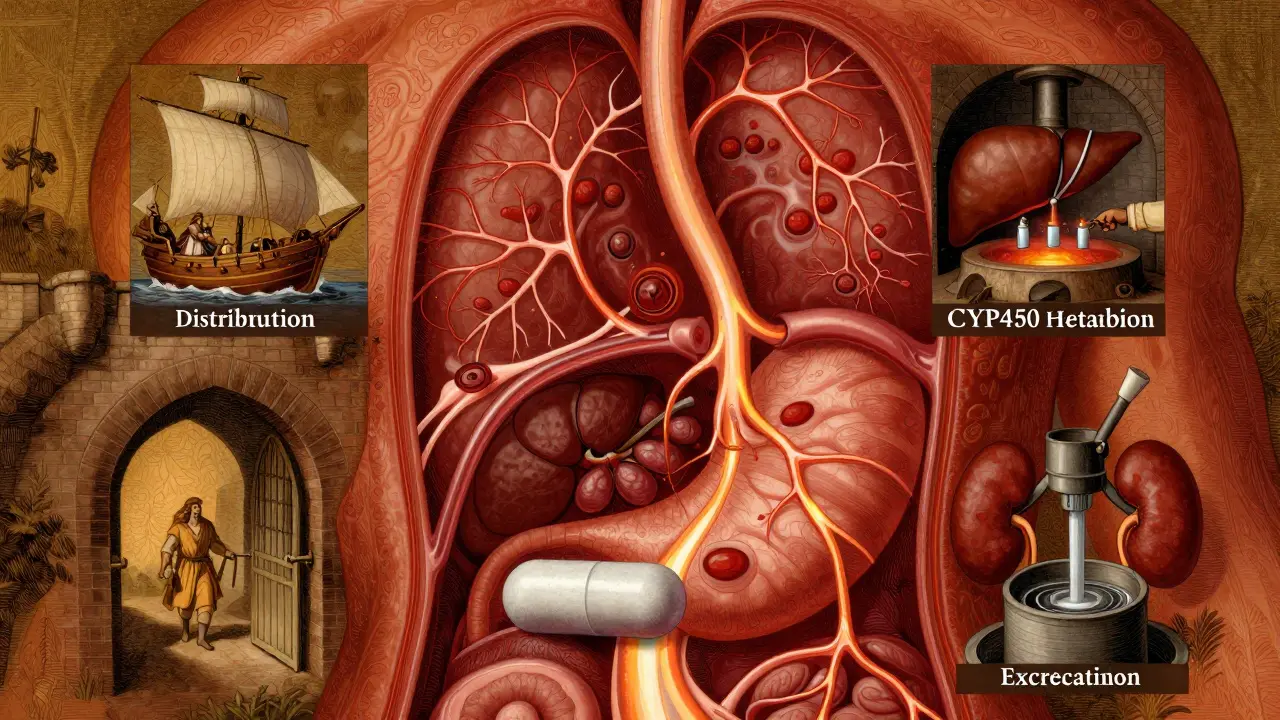
Pharmacokinetics and Side Effects: How Your Body Processes Drugs
Feb, 21 2026MedicationsBob Bond
Learn how your body absorbs, metabolizes, and clears drugs - and why that affects side effects. From genetics to kidney function, discover why two people on the same drug can have totally different experiences.