
When a drug’s patent runs out, prices don’t just drop-they collapse. For patients, this can mean paying 80% less for the same medicine. For hospitals and insurers, it’s a chance to save millions. But here’s the catch: patent expiry doesn’t happen overnight, and if you’re not ready, you’ll miss the savings-or worse, get caught in a mess of shortages, confusion, and unexpected side effects.
What Actually Happens When a Patent Expires?
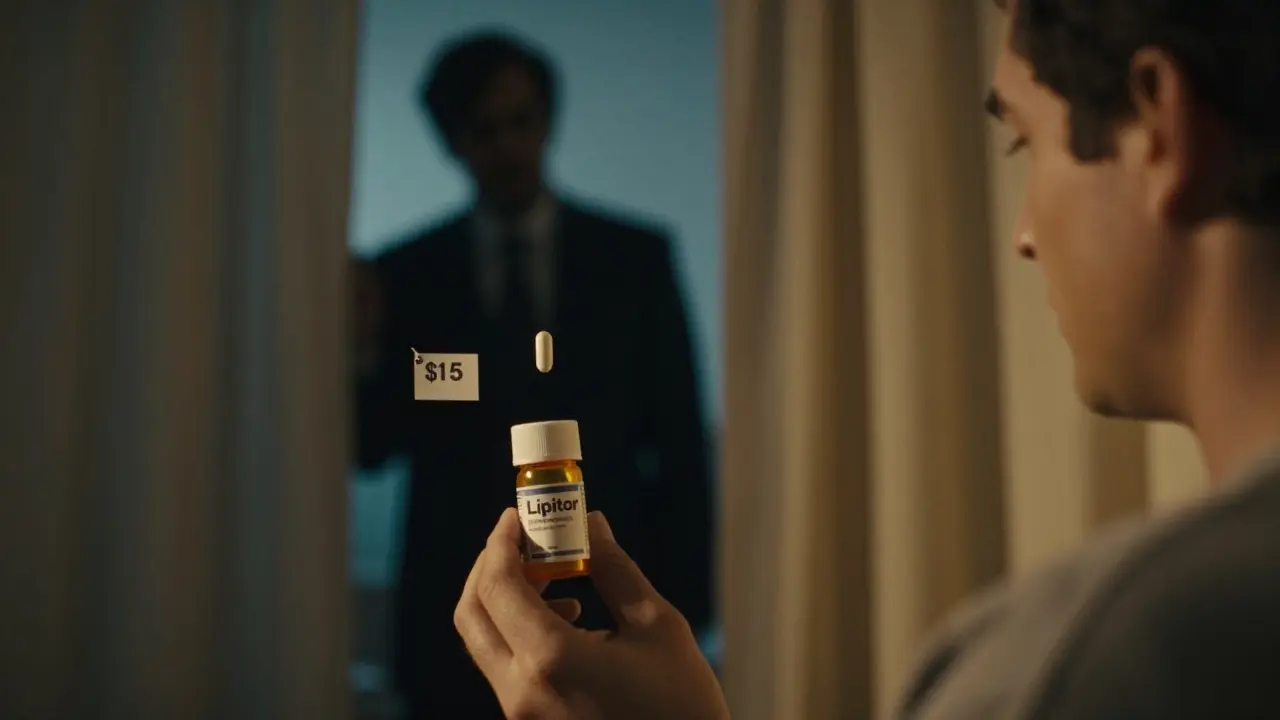
Most brand-name drugs have 20 years of patent protection from the date they’re filed. But by the time they hit the market, 5 to 7 years are already gone. That leaves only 7 to 10 years of real exclusivity. During that time, companies make back their R&D costs and then some. Once the patent expires, anyone can make a generic version. And they do-fast. In the U.S., generic versions typically cost 80-85% less than the brand name within a year. For example, when the patent for the cholesterol drug atorvastatin (Lipitor) expired in 2011, generic versions brought the monthly cost down from $200 to under $15. That’s not a guess-it’s real data from CMS and pharmacy records. But it’s not always that simple. Some companies use tricks to delay generics. They file dozens of secondary patents on tiny changes: a new coating, a different release time, or a combination pill. This is called a “patent thicket.” Nearly 80% of the top 100 selling drugs have more than 10 patents tied to them. These aren’t new inventions-they’re legal barriers.Why This Matters for Patients
If you take a daily medication-like a blood pressure pill, antidepressant, or diabetes drug-you’re likely on something headed for patent expiry soon. Between 2025 and 2029, over $90 billion in U.S. drug sales will lose protection. That includes big names like Humira, Enbrel, and several cancer drugs. When generics arrive, your pharmacy might switch your prescription automatically. You might not even know. But here’s what you need to watch for:- Changes in how the pill looks or tastes. Generics have different inactive ingredients. Some people report stomach upset, rashes, or headaches when switching-even if the active ingredient is identical.
- Multiple generic versions. After patent expiry, 5-10 different companies may start selling the same drug. One might be cheaper, but if your insurance only covers one, you could be forced to switch.
- Biosimilars for biologics. Drugs like Humira are made from living cells, not chemicals. Their generics are called biosimilars. They’re not exact copies, and they take longer to enter the market. Only 38% of biologic prescriptions switch to biosimilars within two years. You might need to ask your doctor if a biosimilar is right for you.
A 2022 Kaiser Family Foundation survey found that 37% of patients on chronic meds had adverse effects after switching to generics. Not because the drug didn’t work-but because their body reacted to a new filler, dye, or coating.
What Healthcare Systems Should Do (And When)
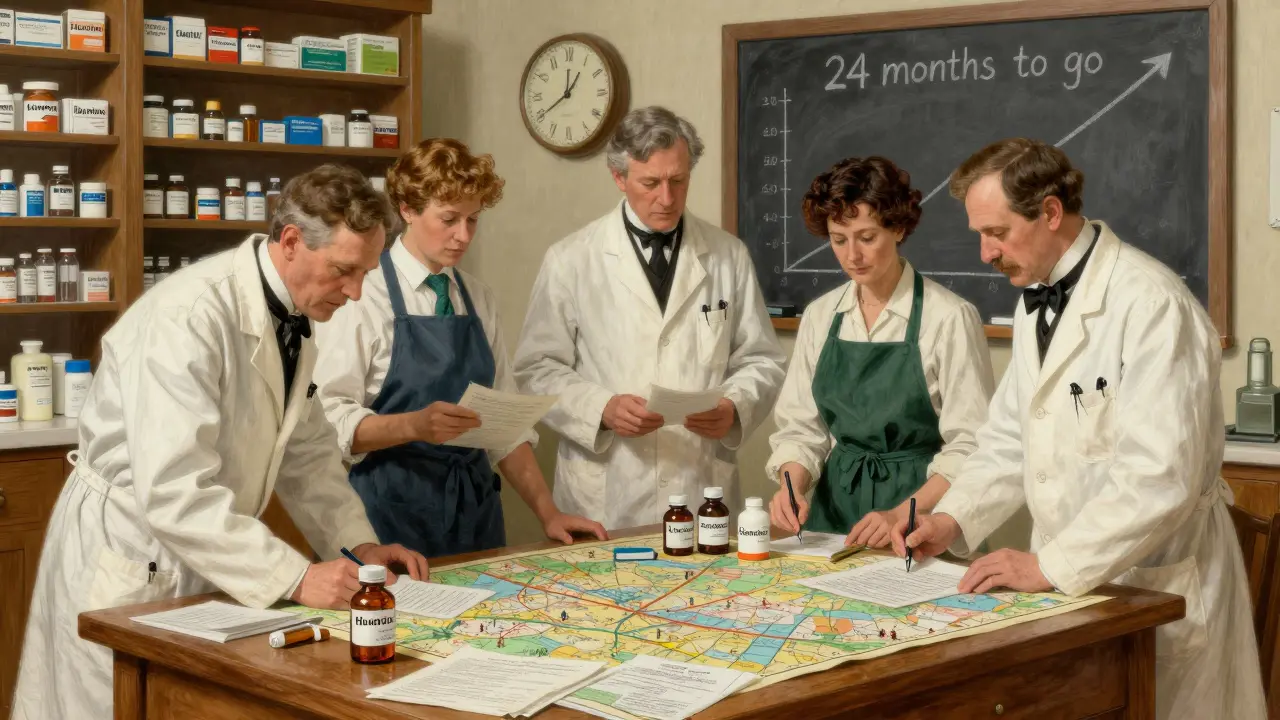
Hospitals, insurers, and pharmacy benefit managers (PBMs) have a huge opportunity here. But only if they plan ahead. The best-run systems start preparing two years before a patent expires. Why? Because it takes time to:- Track which patents are really expiring (many are hidden in legal fine print).
- Compare prices from multiple generic manufacturers.
- Update formularies and clinical guidelines.
- Train staff and educate patients.
According to a 2023 analysis of 150 health systems, those who started planning 24 months ahead saved 22% more than those who waited until 12 months out. The average savings per drug? $4.7 million.
Successful systems use software like Symphony Health’s PatentSight to track over 1,400 patent expirations each year in the U.S. alone. They set up cross-functional teams-pharmacists, doctors, finance, legal-to make decisions together. No more silos.
Therapeutic Areas Most Affected
Not all drugs are equal when it comes to patent expiry. Some categories see massive savings. Others? Not so much.- Cardiovascular drugs (like statins or beta-blockers): 90%+ switch to generics within a year. Easy wins for cost savings.
- Immunology drugs (like Humira, Enbrel): High cost, complex delivery. Biosimilars are slow to catch on. Only 18% of autoimmune biologics switched in the first year.
- Oncology drugs: Biosimilars are gaining ground faster here-45% market share within a year for some. But the drugs themselves cost tens of thousands per year. Even a 30% drop saves millions.
- Neuroscience drugs (for Alzheimer’s, epilepsy, depression): Many are still under patent, but a wave is coming. Expect big changes by 2027.
European systems save more because they use reference pricing: if a brand drug costs $100 and the generic is $15, the insurer only pays $15. In the U.S., rebates and formulary deals mean prices drop slower-often only to 60-70% of the original price.
What’s Changing in 2026 and Beyond
The Inflation Reduction Act started in 2026, and it’s a game-changer. For the first time, Medicare can negotiate prices for drugs that have lost patent protection. Up to 20 drugs per year will be targeted, starting with high-cost ones like Humira and Eliquis. The FDA is also speeding things up. Under GDUFA III, complex generic drugs-like inhalers or injectables-will get faster approval. That could cut the transition time from 18 months to 12. And new laws like the CREATES Act are cracking down on “pay-for-delay” deals-where brand companies pay generics to stay off the market. The FTC says these deals dropped 35% in 2023.
What You Can Do Now
If you’re a patient:- Check your prescription. Look up its patent status on the FDA’s Orange Book (a public database).
- Ask your pharmacist: “Is there a generic for this? When will it be available?”
- If you switch and feel worse, tell your doctor. It’s not “all in your head.”
- Compare prices. Sometimes the brand is cheaper than the generic if you use a coupon or discount program.
If you work in healthcare:
- Start tracking expirations now. Use a tool. Don’t rely on spreadsheets.
- Build a team. Pharmacy, finance, legal, and clinicians need to talk.
- Plan patient communications. Send letters, emails, or texts 6 months before a switch.
- Test your supply chain. Generics often have shortages in the first 3-6 months.
What’s Next?
The next big wave is gene therapies and advanced biologics. These drugs cost over $1 million per dose. Their patents are still years away from expiring-but when they do, the pressure will be enormous. Systems that learn from today’s patent cliffs will be ready. Those that wait? They’ll pay more, patients will suffer, and savings will vanish.The truth is simple: patent expiry isn’t a threat. It’s an opportunity. But only if you’re prepared.
What happens to the price of a drug after its patent expires?
After a drug’s patent expires, generic versions enter the market and typically cost 80-85% less than the brand-name version within one year. For simple small-molecule drugs, prices often drop to 10-20% of the original cost. For complex drugs like biosimilars, the drop is slower-usually 20-40% in the first year.
Why do some patients have side effects after switching to a generic drug?
Generics must contain the same active ingredient and be bioequivalent (80-125% as effective as the brand). But they can use different inactive ingredients-like fillers, dyes, or coatings. Some people react to these. A 2022 Kaiser Family Foundation survey found 37% of patients on chronic medications reported new side effects after switching. It’s not about effectiveness-it’s about tolerability.
How long before a patent expires should healthcare systems start planning?
The most successful systems begin planning 24 months before the patent expires. This gives them time to analyze the market, negotiate with suppliers, update formularies, train staff, and educate patients. Those who wait until 12 months out save 22% less on average, according to a 2023 Healthcare Financial Management Association study.
What’s the difference between a generic drug and a biosimilar?
Generics are exact chemical copies of small-molecule drugs-like pills for high blood pressure. Biosimilars are similar but not identical copies of biologic drugs, which are made from living cells (like Humira or Enbrel). Biosimilars require more complex manufacturing and testing, take longer to approve, and are more expensive to produce. They also have lower adoption rates-only 38% of biologic prescriptions switch to biosimilars within two years, compared to over 90% for generics.
Can insurance companies force me to switch to a generic?
Yes. Most insurance plans and pharmacy benefit managers (PBMs) automatically switch patients to the cheapest available version after patent expiry. This is called a therapeutic substitution. You’ll usually get a notice, but not always. If you’re concerned, ask your pharmacist or doctor if you can opt out-and whether your plan allows it.
Are there tools to track when patents expire?
Yes. Tools like Symphony Health’s PatentSight, LexisNexis PatentSight, and FDA’s Orange Book help track patent expirations. The FDA’s Orange Book is free and public-it lists all approved drugs and their patent dates. For healthcare systems, commercial software is essential because it tracks not just patents but also pending legal challenges and generic applications.