
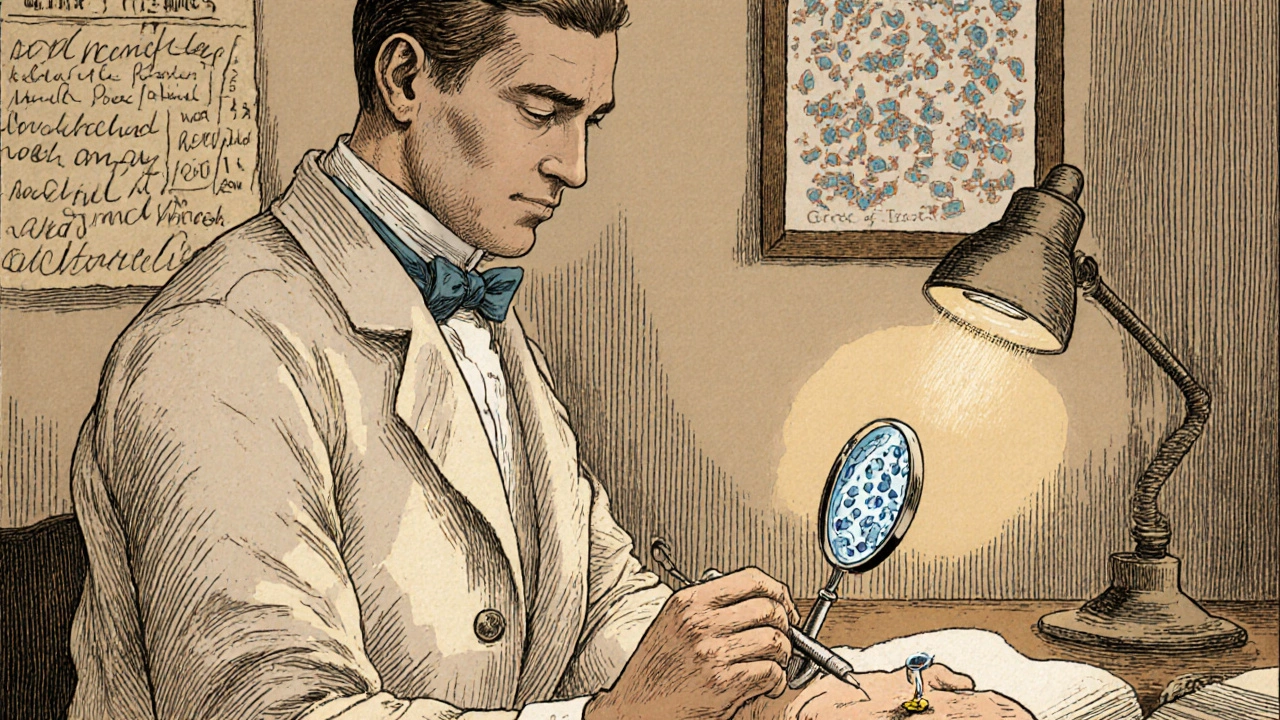
If you’ve been told you’re allergic to a drug-especially penicillin-you’ve probably been handed a warning label and told to avoid it forever. But here’s the truth: 9 out of 10 people who think they’re allergic to penicillin aren’t. That’s not a guess. It’s backed by years of clinical data from hospitals in the U.S., Europe, and Australia. The problem? Most people never get tested. They just assume the reaction they had as a kid was a true allergy. And that assumption can cost you-literally. It can lead to being prescribed stronger, more expensive, and riskier antibiotics that aren’t even necessary.
What Exactly Is a Drug Allergy Skin Test?
A drug allergy skin test is a simple, safe way to find out if your body truly reacts to a specific medication. It’s not a blood test. It doesn’t involve needles going deep into your veins. Instead, it uses tiny amounts of the drug, placed right on or just under your skin, to see if your immune system reacts. There are three main types:- Skin prick test (SPT): A drop of the drug solution is placed on your skin, then the surface is gently pricked with a tiny plastic or metal device. Think of it like a light mosquito bite.
- Intradermal test (IDT): A small amount of the drug is injected just under the skin with a fine needle, creating a tiny bubble. This is more sensitive and often used if the prick test is negative but suspicion remains.
- Patch test: The drug is taped to your skin for 48 hours. This is used for delayed reactions-like rashes that show up a day or two after taking the drug.
Most drug allergy testing starts with the skin prick test. If it’s negative, the intradermal test follows. Both are done in the same visit, usually on your forearm or upper back. The whole process takes less than an hour.
How Do You Know If It’s Working?
The test doesn’t work unless it’s done right. That means controls are built in. One spot gets histamine-a substance that always causes a reaction in most people. That’s your positive control. Another spot gets saline, which shouldn’t do anything. That’s your negative control.If the histamine spot doesn’t get red and itchy, the test is invalid. Something’s wrong-maybe you took antihistamines recently, or the solution was bad. If the saline spot reacts? That’s also a problem. It means your skin is too sensitive, and the results can’t be trusted.
After 15 to 20 minutes, the doctor checks for raised, red, itchy bumps-called wheals. If the wheal is at least 3 mm bigger than the saline spot, it’s considered positive. That doesn’t mean you’ll have a full-blown allergic reaction if you take the drug again, but it means your immune system has flagged it as a threat.
What Drugs Can Be Tested?
Not every drug can be tested. The test only works well for certain types. Here’s what’s reliable:- Penicillin and related antibiotics (amoxicillin, ampicillin): These are the gold standard. If both skin tests are negative, there’s a 95% chance you’re not allergic.
- Cephalosporins: Less reliable. Skin tests have only about 40% sensitivity. A negative result doesn’t rule out allergy.
- Sulfa drugs: Skin testing isn’t standardized yet. Most doctors rely on challenge tests instead.
- NSAIDs (like ibuprofen or naproxen): Usually not tested with skin tests. Reactions here are often not true allergies.
- Opioids (like morphine or codeine): Newer guidelines now support skin testing, especially if you had hives or swelling after taking them.
For drugs like vancomycin or ciprofloxacin, testing is still experimental. Clinical trials are ongoing, but these aren’t widely available yet.
What Should You Do Before the Test?
This is where most people mess up-and end up with false negatives.- Stop all antihistamines for at least 5 days before the test. That includes over-the-counter pills like cetirizine (Zyrtec), loratadine (Claritin), and diphenhydramine (Benadryl). Even some sleep aids and cold medicines contain them.
- Avoid steroid creams on the test area. Don’t apply them to your arms or back for at least 3 days before.
- Don’t take oral steroids for 7 days. If you’re on them for asthma or another condition, talk to your doctor. You might need to reschedule.
- Don’t go in with a rash or active skin condition on the test site. The doctor needs clean, normal skin.
One patient in Melbourne told me she rescheduled her test because she didn’t know about the antihistamine rule. She’d taken Claritin the day before. The test came back negative-but it was a fake negative. She had to wait another week. Don’t make that mistake.
What Does It Feel Like?
The skin prick test feels like a light scratch. Some people say it’s like a mosquito bite. No pain. Just a tiny bit of pressure.The intradermal test is more uncomfortable. You’ll feel a small sting as the needle goes in. Then, as the solution sits under your skin, you might feel a slight burning or itching for a few minutes. It’s not unbearable, but it’s noticeable. That’s normal.
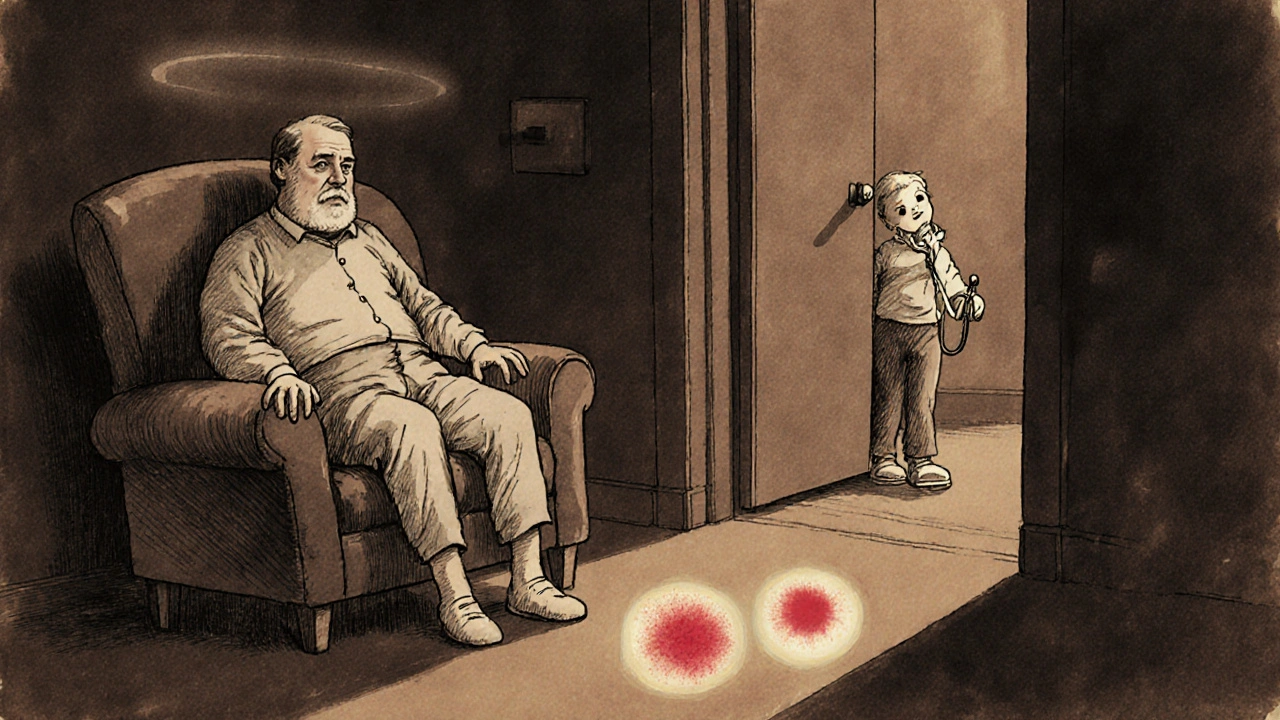
The histamine control? Yeah, that one itches. A lot. For 10 to 15 minutes. But it’s supposed to. It’s not an allergic reaction to the test-it’s proof the test is working. If your skin doesn’t react to histamine, the whole test is useless.
What If the Test Is Negative?
A negative result is great news-but it’s not always the end of the story.For penicillin, a negative skin test means you’re very likely safe to take it again. Many doctors will follow up with a drug challenge: giving you a small dose of the antibiotic under supervision. If you don’t react, you’re officially delabeled. No more “penicillin allergy” on your chart.
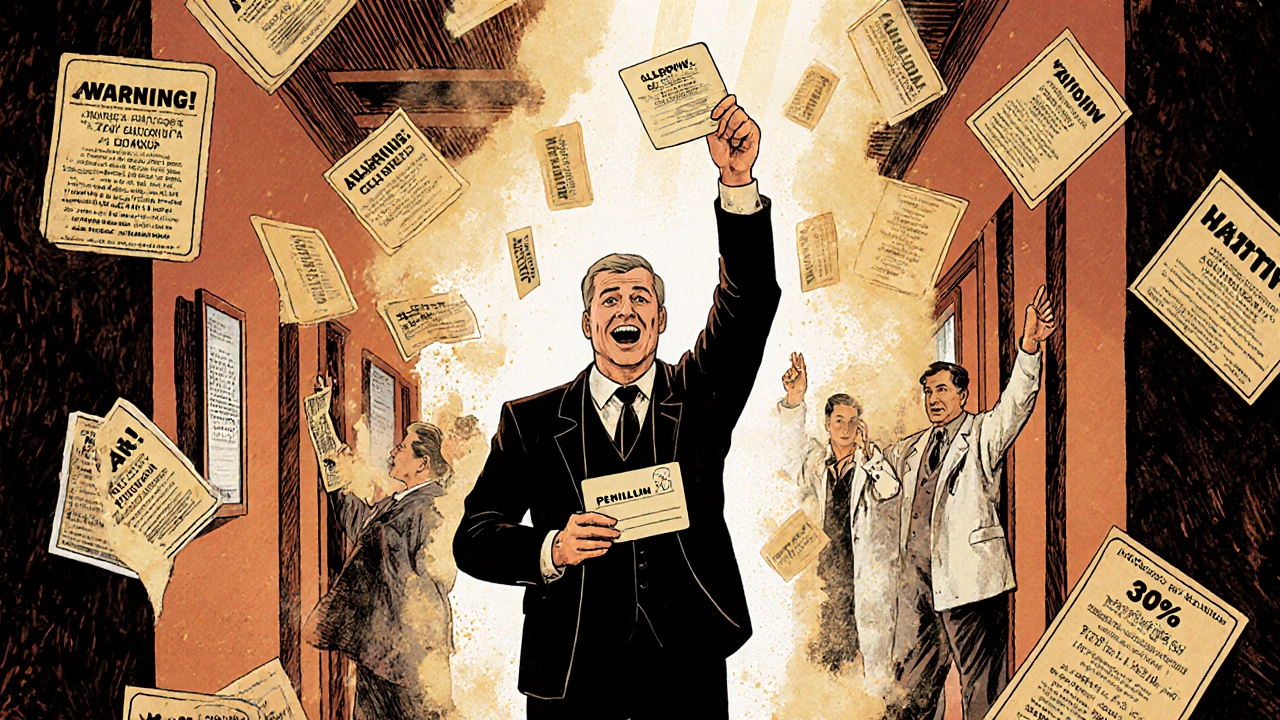
That’s huge. It means you can get the best antibiotic for your infection-not the broadest, most expensive, or most toxic one. At Johns Hopkins, hospitals that started routine penicillin testing cut their use of broad-spectrum antibiotics by 30%. That means fewer side effects, lower costs, and less risk of deadly infections like C. diff.
But for other drugs-like cephalosporins or sulfa-the test isn’t as reliable. A negative result doesn’t guarantee safety. Your doctor might still recommend a challenge test, especially if the drug is essential.
What If the Test Is Positive?
If you have a positive skin test, you’re likely allergic. That means you should avoid that drug and any closely related ones.For example, if you’re allergic to penicillin, you’re probably also allergic to amoxicillin and ampicillin. Your doctor will find alternatives. You’ll be given a medical alert bracelet or card. And you’ll be advised to tell every doctor, dentist, and pharmacist you see.
But here’s the catch: a positive test doesn’t always mean you’ll have a life-threatening reaction. It just means your immune system recognizes the drug. Many people with positive tests only had mild rashes in the past. Still, it’s better to be safe.
Why Isn’t This Test Done More Often?
It’s simple: most doctors don’t do it. Not because they don’t know about it-but because they don’t have the training, the reagents, or the time.In Australia, only about 20% of suspected drug allergies are tested. In France and Germany, it’s over 70%. Why? They have national allergy services. In the U.S., it’s around 35%. Here? It’s patchy.
Also, drug reagents aren’t always easy to get. Penicillin testing kits are now FDA-approved and available in Australia, but for other drugs, hospitals have to prepare them themselves. That takes expertise. Not every clinic can do it.
But that’s changing. More hospitals are hiring allergy specialists. More patients are asking for testing. And with the rise of antimicrobial stewardship programs, it’s becoming a priority.
Can You Get Tested If You’re Pregnant?
Yes. Skin testing is safe during pregnancy. The drug doesn’t enter your bloodstream in significant amounts. It stays on or just under the skin. The risk to your baby is extremely low.But you should still tell your doctor you’re pregnant. They’ll adjust the dose of histamine if needed and make sure you’re in a setting where emergency care is available.
What Are the Risks?
The biggest risk? Anaphylaxis. But it’s rare.Studies show that serious reactions during skin testing happen in less than 1 in 1,000 tests. That’s less than the risk of being hit by lightning. Most clinics require you to wait 30 minutes after testing. They have epinephrine on hand. They’re trained.
You won’t be tested if you’re having an active allergic reaction. You won’t be tested if you have uncontrolled asthma. You won’t be tested if you’re on beta-blockers. These are safety rules, not red tape.
What Comes Next?
If you’ve been told you’re allergic to a drug, ask: “Has this been tested?”If you’ve had a reaction in the past-hives, swelling, trouble breathing-and you’re not sure if it was real, ask: “Can I be tested?”
Don’t live with a label you might not need. Don’t take a drug that’s worse just because you’re afraid of the one you think you’re allergic to.
Drug allergy skin testing isn’t magic. It’s science. And it’s available. You just have to ask.
Can I take antihistamines before a drug allergy skin test?
No. You must stop all antihistamines-prescription and over-the-counter-for at least 5 to 7 days before testing. This includes pills like Zyrtec, Claritin, Benadryl, and even some sleep aids or cold medicines. Antihistamines block your skin’s reaction, which can give you a false negative result. If you’re unsure what to stop, ask your doctor for a list.
Is skin testing safe if I’ve had a severe reaction before?
Yes-under the right conditions. If you had a serious reaction like anaphylaxis in the past, you’ll be tested in a hospital or allergy clinic with emergency equipment on hand. The test starts with very low doses and is closely monitored. Most clinics won’t test you if you’re currently having an allergic reaction or have uncontrolled asthma, but once you’re stable, testing is safe and recommended to confirm the allergy.
How accurate is a negative skin test for penicillin?
Very accurate. If both the skin prick test and intradermal test for penicillin are negative, there’s a 95% chance you’re not allergic. Most doctors will then do a small oral challenge under supervision to confirm. If you pass that, you’re officially delabeled-meaning you can safely take penicillin or related antibiotics in the future.
Can skin testing be done for all drugs?
No. Skin testing works best for beta-lactam antibiotics like penicillin and amoxicillin. It’s less reliable for cephalosporins, sulfa drugs, NSAIDs, and most non-antibiotic medications. For some drugs, like opioids, testing is now possible but still limited. For others, like vancomycin, it’s still experimental. If skin testing isn’t available, doctors may use a drug challenge instead.
Will the test hurt?
The skin prick test feels like a light scratch-like a mosquito bite. The intradermal test involves a small needle injection and may cause a brief stinging or burning sensation that lasts a few minutes. The histamine control will make your skin itch for 10-15 minutes, but that’s normal and expected. There’s no major pain. Most people say it’s less uncomfortable than a blood draw.
How long does the whole test take?
About 45 to 60 minutes total. The skin prick test takes 5 minutes to apply, then you wait 15-20 minutes. The intradermal test takes another 10 minutes to do, followed by another 15-20 minutes of waiting. You’ll be monitored for at least 30 minutes after the last test. Most people are done in under an hour.
Can children be tested for drug allergies?
Yes. Children as young as 2 can safely undergo skin testing for drug allergies, especially if they’ve had a reaction to antibiotics like penicillin. The procedure is the same, but smaller amounts of allergen are used. Pediatric allergy specialists handle these tests and are trained to make the experience less stressful for kids.
What if I’m allergic to multiple drugs?
You can be tested for multiple drugs in one visit, but not all at once. Usually, 2-4 drugs are tested per session to keep the results clear and reduce the risk of overlapping reactions. Your doctor will prioritize based on your history-like which drugs you’ve reacted to, which are most commonly prescribed, and which are essential for your health.
DENIS GOLD
November 29, 2025 AT 04:39jobin joshua
November 30, 2025 AT 22:35Diana Askew
December 2, 2025 AT 17:19Pawittar Singh
December 3, 2025 AT 10:09Josh Evans
December 3, 2025 AT 18:52Allison Reed
December 5, 2025 AT 03:20Jacob Keil
December 7, 2025 AT 02:03Andrea Jones
December 8, 2025 AT 00:18Justina Maynard
December 9, 2025 AT 21:37Evelyn Salazar Garcia
December 11, 2025 AT 03:10Clay Johnson
December 11, 2025 AT 11:10Jermaine Jordan
December 12, 2025 AT 11:09Chetan Chauhan
December 13, 2025 AT 13:38Phil Thornton
December 14, 2025 AT 14:54Pranab Daulagupu
December 15, 2025 AT 21:46