
Switching to generic medications isn’t just a smart financial move-it’s a proven way to cut your monthly drug costs by up to 90%, with zero compromise on effectiveness. If you’re paying $150 a month for a brand-name pill, you could be paying $4 for the exact same medicine. And yes, it’s the same drug. The FDA doesn’t allow generics to be anything less.
What Exactly Is a Generic Medication?
A generic medication contains the same active ingredient as the brand-name version. That means it works the same way in your body, targets the same condition, and delivers the same results. The only differences? The color, shape, or filler ingredients (like dyes or binders), and the price-often 85% lower.The FDA requires every generic drug to prove it’s bioequivalent to the brand. That means it must release the same amount of active ingredient into your bloodstream at the same speed. No shortcuts. No exceptions. If it doesn’t meet those standards, it doesn’t get approved.
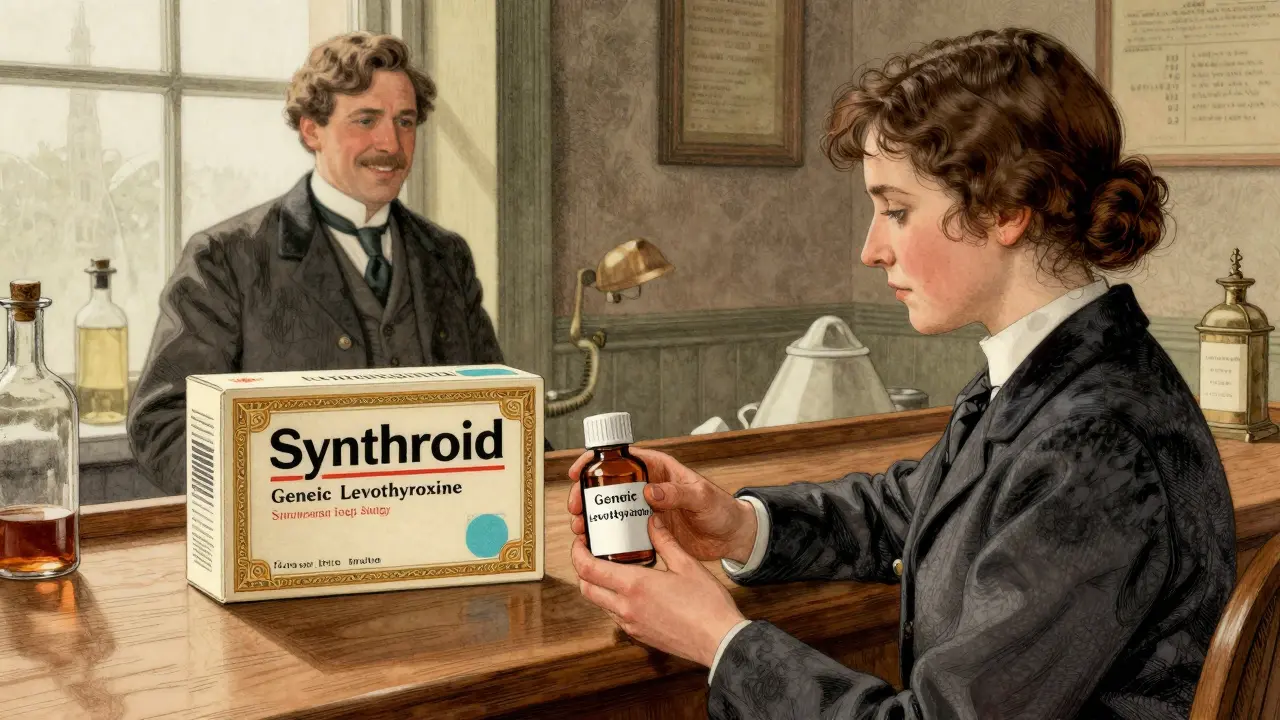
Take levothyroxine, for example. It’s used to treat hypothyroidism. Some patients worry switching from Synthroid (brand) to a generic changes how they feel. But studies show those differences are usually psychological or caused by switching between different generic manufacturers-not because generics are weaker. The FDA even requires stricter monitoring for these narrow therapeutic index drugs, so safety isn’t compromised.
How Much Money Can You Actually Save?
The numbers speak for themselves. Over the last decade, generic drugs saved U.S. patients more than $2.2 trillion. That’s not a guess. That’s from the Alliance for Patient Access and the FDA.Here are real examples:
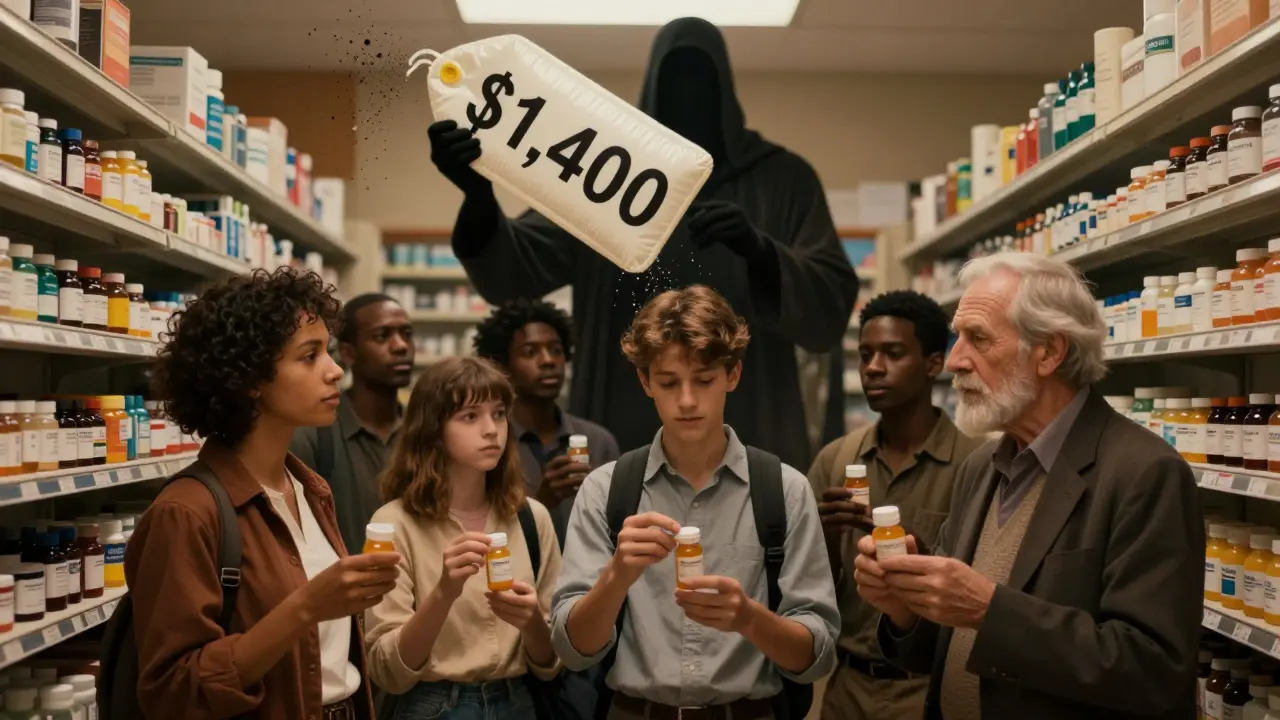
- A brand-name drug costing $1,400 for a 30-day supply dropped to under $60 once the generic hit the market.
- Another medication went from $88 per milliliter to under $10-cutting the monthly cost from $3,800 to $500.
- One patient in Phoenix saved hundreds a year by switching her daughter’s prescriptions to generics.
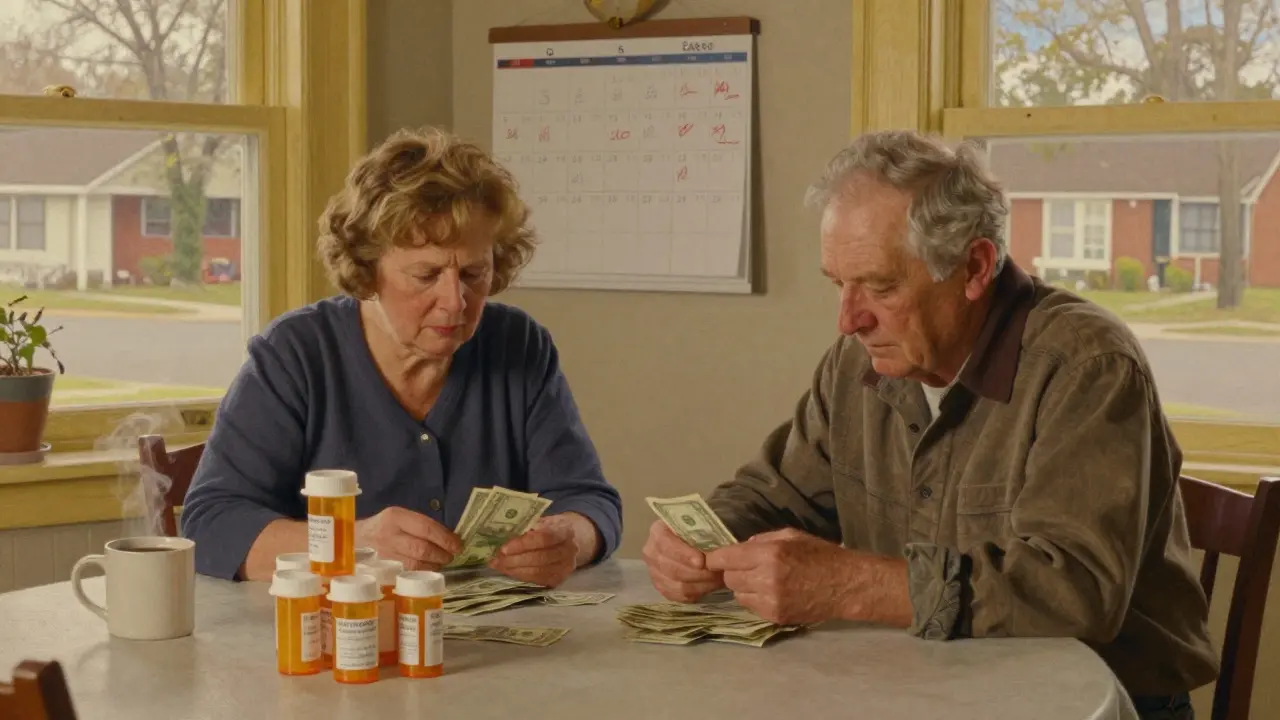
For Medicare Part D users, 90% of the most common generic drugs cost less than $20 for a 30-day supply at Costco. Even if you have insurance, your copay for a generic is often lower than the cash price of the brand-name version.
And if you’re uninsured? The Mark Cuban Cost Plus Drug Company launched in 2022 with transparent pricing. Their median savings per prescription? $4.96. For uninsured patients, that number jumps to $6.08. Some prescriptions saved over $10. And the best part? No insurance required. Just pay the listed price.
Why Do Generics Cost So Much Less?
Brand-name drug companies spend billions on research, clinical trials, and marketing. Once their patent expires, other companies can make the same drug without repeating those expensive steps. They only need to prove bioequivalence-a much cheaper and faster process called an Abbreviated New Drug Application (ANDA).That’s why generics hit the market at a fraction of the cost. There’s no R&D debt to pay off. No ad campaigns. Just pure manufacturing and distribution.
Over 100 companies now make generic drugs in the U.S. That competition drives prices down even further. When multiple generics are available, prices often drop by 90% or more. That’s why a drug that once cost $150 a month can now be $4.
Are Generics Safe? What About Quality?
Yes, they’re safe. And yes, they’re held to the same standards.The FDA inspects generic manufacturing plants the same way they inspect brand-name ones. Same cleanliness rules. Same quality controls. Same testing for purity, strength, and stability. In fact, many brand-name companies make their own generics after the patent expires.
There’s a myth that generics are made in lower-quality facilities. That’s false. The FDA doesn’t allow it. A 2022 FDA report found that 97% of prescriptions filled in the U.S. are generics-because doctors and patients trust them.
Some people say, “I feel different on the generic.” That’s often because the inactive ingredients changed. Maybe the pill is a different color, or has a new coating. That doesn’t affect how the medicine works. But if you’re sensitive to dyes or fillers, talk to your pharmacist. They can help you find a generic with similar inactive ingredients.
How to Start Using Generics
You don’t need a PhD to switch. Here’s how to do it right:- Ask your doctor if your prescription has a generic version. Most do.
- When you get to the pharmacy, ask the pharmacist: “Is there a generic available?” They’re trained to know.
- Check your insurance formulary. Generics are usually in Tier 1-lowest copay.
- Compare cash prices. Sometimes, paying cash at Costco or Walmart is cheaper than your insurance copay. Use GoodRx or the Mark Cuban Cost Plus Drug Company to find the lowest price.
- If your insurance denies coverage for the generic, ask for a prior authorization exception. Sometimes, it’s just a form.
Pharmacists can substitute generics automatically unless your doctor writes “dispense as written” or “no substitution.” Even then, you can still ask for a generic if you want to save money.
When Generics Might Not Be the Best Choice
There are rare cases where switching isn’t ideal:- Biosimilars: These are the generic version of complex biologic drugs (like Humira or Enbrel). They’re not exact copies and require more testing. But they still save 15-35%.
- Narrow therapeutic index drugs: Like warfarin, lithium, or levothyroxine. Small changes in blood levels can matter. If you’re stable on a brand, your doctor might recommend staying on it-especially if you’ve had issues switching before.
- Some children or elderly patients: If they struggle with pill size or taste, a brand-name version with a better formulation might be easier to take.
But these cases are the exception, not the rule. For 90% of prescriptions, generics are not just cheaper-they’re the better choice.
What’s Changing in 2026?
More blockbuster drugs are losing patents. In 2025, drugs for high cholesterol, diabetes, and depression became available as generics. In 2026, we’ll see more biologics enter the biosimilar market, potentially cutting costs by half.Pharmacy benefit managers (PBMs) are pushing harder for generics because they save insurers-and ultimately, patients-money. Retail pharmacies like Walmart and CVS now offer $4 generic lists for over 500 medications.
The FDA is also speeding up approvals. In 2023, they cleared over 1,000 new generic drugs. More competition means lower prices.
Real Stories, Real Savings
On Reddit, users share their savings daily:- One person switched from a $120/month antidepressant to a $5 generic and said, “I didn’t feel any difference-just my bank account did.”
- A retired couple saved $280 a month on blood pressure and cholesterol meds by switching to generics and buying them at Costco.
- A single mom in Ohio cut her daughter’s asthma inhaler cost from $300 to $18 by switching to a generic and using a discount card.
These aren’t outliers. They’re the norm.
Final Thought: Your Health Isn’t a Luxury
Medication costs shouldn’t force you to choose between paying rent and taking your pills. Generics make it possible to manage chronic conditions without financial stress. They’re not second-rate. They’re the same medicine, sold at a fair price.If you’re still paying full price for a brand-name drug, you’re overpaying. Ask your doctor. Ask your pharmacist. Compare prices. Switch. Save. And keep taking your medicine-because your health is worth it.
Are generic medications as effective as brand-name drugs?
Yes. The FDA requires generics to have the same active ingredient, strength, dosage form, and route of administration as the brand-name version. They must also prove bioequivalence-meaning they deliver the same amount of medicine into your bloodstream at the same rate. Clinical studies and decades of real-world use confirm they work just as well.
Why do generic pills look different from brand-name ones?
By law, generics can’t look identical to brand-name drugs to avoid trademark infringement. So they may differ in color, shape, size, or flavor. But these changes only affect appearance or taste-not how the medicine works. The active ingredient is identical.
Can I ask my pharmacist to give me the generic version?
Yes, and they usually will. Pharmacists are trained to substitute generics when allowed by law and your doctor’s prescription. If your prescription says “dispense as written,” you can still ask your doctor to change it to allow substitution. Most doctors are happy to do so if cost is a concern.
Is it safe to buy generics from online pharmacies?
Only if the pharmacy is licensed and verified. Stick to U.S.-based pharmacies with a physical address and a licensed pharmacist on staff. Avoid websites that sell drugs without a prescription or offer prices that seem too good to be true. The FDA warns that many online sellers offer counterfeit or unsafe products. Use trusted sites like Costco, Walmart, or the Mark Cuban Cost Plus Drug Company.
Do insurance plans encourage the use of generics?
Absolutely. Most insurance plans put generics in the lowest cost tier, meaning you pay the least out-of-pocket. Some plans even require you to try a generic first before covering the brand-name version. This is called step therapy, and it’s designed to save money for both you and the insurer.
What if I don’t have insurance?
You still save. Many generics cost less than $10 for a 30-day supply at retail pharmacies like Walmart, Target, or Costco-even without insurance. The Mark Cuban Cost Plus Drug Company offers transparent pricing with no markups. You pay the wholesale cost plus a small fee. Many people save $20-$50 per prescription this way.
Do generics take longer to work?
No. The FDA requires generics to be absorbed into your bloodstream at the same rate and to the same extent as the brand-name drug. If you’re taking a pill for high blood pressure or acid reflux, it will start working in the same timeframe. Any delay you notice is likely due to other factors-like diet, hydration, or how you take the pill.
Chloe Hadland
January 24, 2026 AT 02:15just switched my mom's blood pressure med to generic last month and she's been fine as hell
saved like $180 a month and she didn't even notice the difference
why are people still paying full price lmao
Amelia Williams
January 25, 2026 AT 19:06i used to be scared of generics too until i started tracking my labs
my cholesterol numbers were literally identical before and after switching
same for my thyroid med
the only thing that changed was my bank account
why do we still treat generics like they're fake?
they're literally the same damn pill with a different label
Viola Li
January 25, 2026 AT 22:31yeah but what about the fillers
they use talc and dye and god knows what else in generics
and you think that doesn't affect your liver
the FDA doesn't regulate inactive ingredients like they should
you're just trusting a system that's been corrupted by big pharma
Dolores Rider
January 27, 2026 AT 02:38you guys are all being manipulated
the FDA is owned by big pharma
they let generics in so you'll think you're saving money but really they're just testing how dumb we are
they put microchips in the pills now
i saw it on a video
they track your heart rate through your meds
and your bank account
they know when you skip a dose
they know everything
:(
venkatesh karumanchi
January 27, 2026 AT 20:00i live in india and generics are the only option here
we've been using them for decades
my father took generic metformin for 15 years
no side effects
no drop in effectiveness
if you can afford brand name in america
you're not poor
you're just not smart
stop paying for marketing
Sharon Biggins
January 28, 2026 AT 09:14so i switched my kid's asthma inhaler to generic and honestly
i was nervous
but the pharmacist said it was the same active ingredient
and it cost $18 instead of $300
we used a coupon
she hasn't had an attack since
and i cried when i saw the receipt
thank you for posting this
people need to know this
John McGuirk
January 28, 2026 AT 10:32generics are fine if you live in a third world country
but here in the west we deserve better
you think your body doesn't notice the difference
it does
you just don't know it yet
and when your kidneys fail or your liver gives out
you'll thank me for warning you
big pharma wants you weak
they want you dependent
and generics are the first step
Michael Camilleri
January 28, 2026 AT 22:48you people are so naive
the fact that you believe the FDA is on your side
shows how disconnected you are from reality
they're not protecting you
they're protecting profits
the same companies that make brand name drugs make the generics
they just repackage it
and you think you're winning
you're not
you're just part of the machine
wake up
lorraine england
January 29, 2026 AT 05:33my pharmacist actually called me last week to say my generic was on sale for $3
and i was like wow
and then i remembered i was paying $140 last year
so i switched
and i feel the same
my anxiety hasn't spiked
my sleep is fine
my wallet is happy
if you're scared to switch
ask your pharmacist
they're the real heroes here
not the ads
Darren Links
January 29, 2026 AT 11:39if you're still using brand name drugs
you're part of the problem
you're funding the system that makes healthcare unaffordable
your fear is just propaganda
and your money is going to CEOs
not doctors
not researchers
not patients
so stop being selfish
switch already