
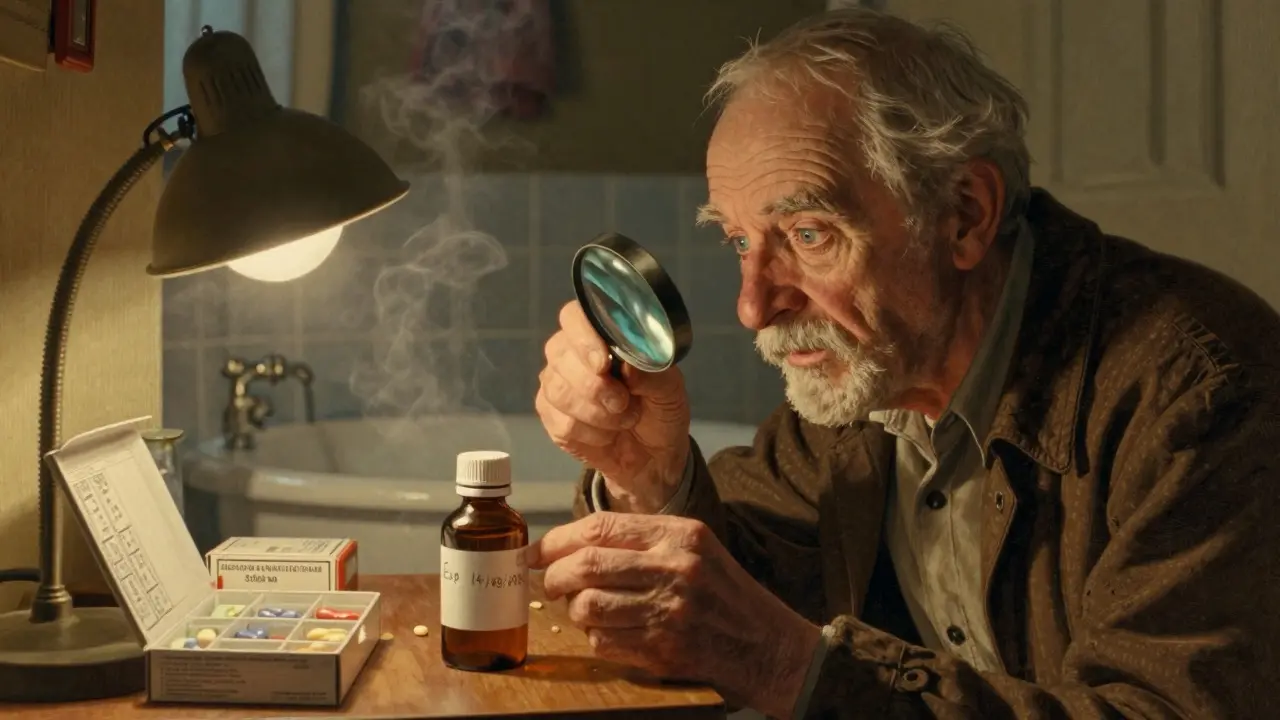
When you grab a bottle of painkillers or your blood pressure meds off the shelf, do you ever stop to check the date? Most people don’t - until they notice the pill looks different, or the liquid is cloudy. But expiration dates aren’t just bureaucratic footnotes. They’re your last line of defense against ineffective or risky medication. In Australia, where temperatures can spike past 40°C in summer and humidity clings to the air, how you store and read those dates matters more than you think.
What Does an Expiration Date Really Mean?
The expiration date on your medicine isn’t a "use-by" date like milk. It’s the last day the manufacturer guarantees the drug will work as intended and remain safe. That means it still has its full strength, purity, and effectiveness. The U.S. Food and Drug Administration (FDA) set this standard back in 1979, and since then, every prescription and over-the-counter medicine sold legally must carry one.
Manufacturers test these drugs under controlled heat, light, and moisture conditions for years before they even hit shelves. Most pills last 1 to 5 years. Eye drops? Often 6 months to 2 years. Injections? Usually 2 to 5. The clock starts ticking from the day the drug was made - not when you bought it.
How to Spot the Expiration Date (Even When It’s Hidden)
Look closely. The date might not say "Expiration Date." It could say:
- Expiry
- Exp
- Use by
- Use before
- Exp date
And the format? It varies. In Australia and Europe, you’ll usually see DD/MM/YYYY - like 14/08/2026. In the U.S., it’s often MM/YYYY. If you see just a month and year - say, 08/23 - that means it expires on August 31, 2023. No exceptions.
Some bottles have two dates: one on the original box (from the manufacturer) and another on the pharmacy label. That’s normal. The pharmacy date is often shorter. For example, if your doctor prescribes you a 30-day supply of liquid amoxicillin, the pharmacy might label it "Discard after 14 days" because antibiotics in liquid form break down fast. But if you’ve got a bottle of metformin, the pharmacy might just use the manufacturer’s date - which could be years away.
When the Pharmacy Date Isn’t the Whole Story
Here’s where people get tripped up. A pharmacy will often print a "discard after" date that’s only 1 year from when you picked it up. But that’s not the drug’s real expiration. It’s a safety buffer. Why? Because once you open a bottle, expose it to air, light, and humidity, it degrades faster.
But if you’ve got a medicine you rely on - like insulin, thyroid pills, or birth control - don’t just go by the pharmacy label. Ask them to write the manufacturer’s expiration date on the bottle too. If they refuse, keep the original box. That box has the real date. And if you ever get a refill, compare the two. If the pharmacy date is way earlier than the box, ask why.
What Happens When Medicine Expires?
Most expired pills won’t poison you. But they might not work.
Antibiotics that lose potency? That’s dangerous. You might think you’re treating an infection - but if the drug’s only 60% effective, you’re actually training bacteria to resist it. That’s how superbugs spread.
Insulin? If it’s expired, your blood sugar could spike. Thyroid meds? Your metabolism could go haywire. Birth control pills? There’s a real risk of pregnancy if they’ve degraded.
And then there’s the physical stuff. If your pills are crumbling, your liquid medicine looks cloudy or has particles floating in it, or your ointment smells weird - toss it. Even if the date hasn’t passed. That’s a sign of chemical breakdown.
Storage Matters More Than You Think
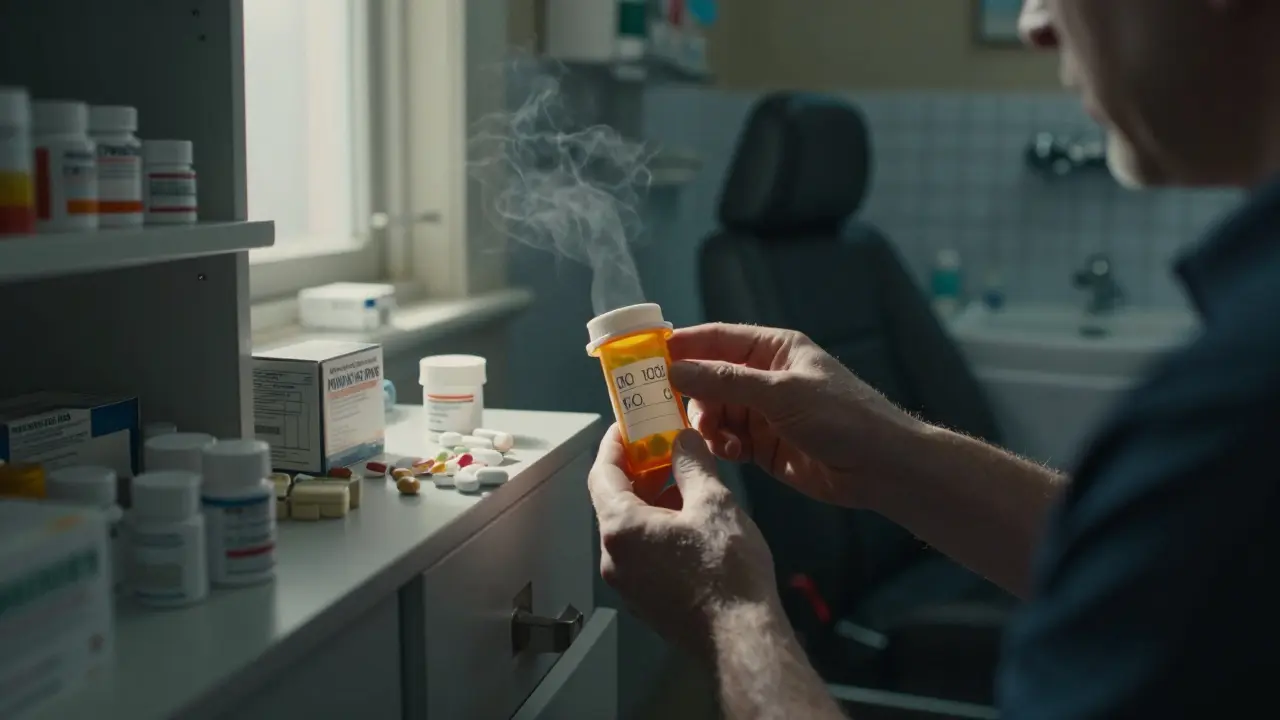
That expiration date assumes you stored the medicine right. If you keep your pills in the bathroom - steam, heat, humidity - they degrade faster. Same if you leave them in a hot car, or on a windowsill.
The FDA’s Shelf Life Extension Program found that 90% of drugs stored in perfect conditions (cool, dry, sealed) stayed effective for years beyond their labeled date. But those were sealed vials in military warehouses. Your medicine? Not so lucky.
Keep pills in a cool, dry place - like a bedroom drawer. Not the kitchen. Not the bathroom. Not the glove compartment. If the label says "Refrigerate," keep it in the fridge - but not the door. The temperature swings there can ruin it.
What Medicines Should You Never Take Past Their Date?
Some drugs are too risky. Never use these past expiration:
- Insulin - Can lose potency without visible signs. Risk of diabetic emergencies.
- Thyroid medication - Even small drops in strength can throw off your metabolism.
- Birth control pills - Risk of unintended pregnancy.
- Antibiotics - Especially liquid forms. Can lead to resistant infections.
- Anti-platelet drugs - Like aspirin for heart patients. Reduced effect = higher stroke risk.
For things like ibuprofen or antihistamines? A few months past the date? Probably fine if stored well. But after a year? Don’t risk it. Especially if you’re elderly, immunocompromised, or managing a chronic condition.
How to Avoid Expired Medicine Mistakes
Here’s what actually works:
- Check both labels - Manufacturer date on the box, pharmacy date on the bottle. Write the manufacturer date on the bottle if you can.
- Look for changes - Discoloration, odd smells, crumbling pills, cloudy liquids. Toss it.
- Store right - Cool, dry, dark. Not the bathroom. Not the car.
- Use a tracker - Apps like MedSafe or even a simple spreadsheet can remind you when meds are due to expire.
- Ask your pharmacist - They know your meds. Ask: "Is this still safe after the pharmacy date?"
- Don’t hoard - Buy only what you need. Expired meds pile up fast.
What’s Changing in the Future?
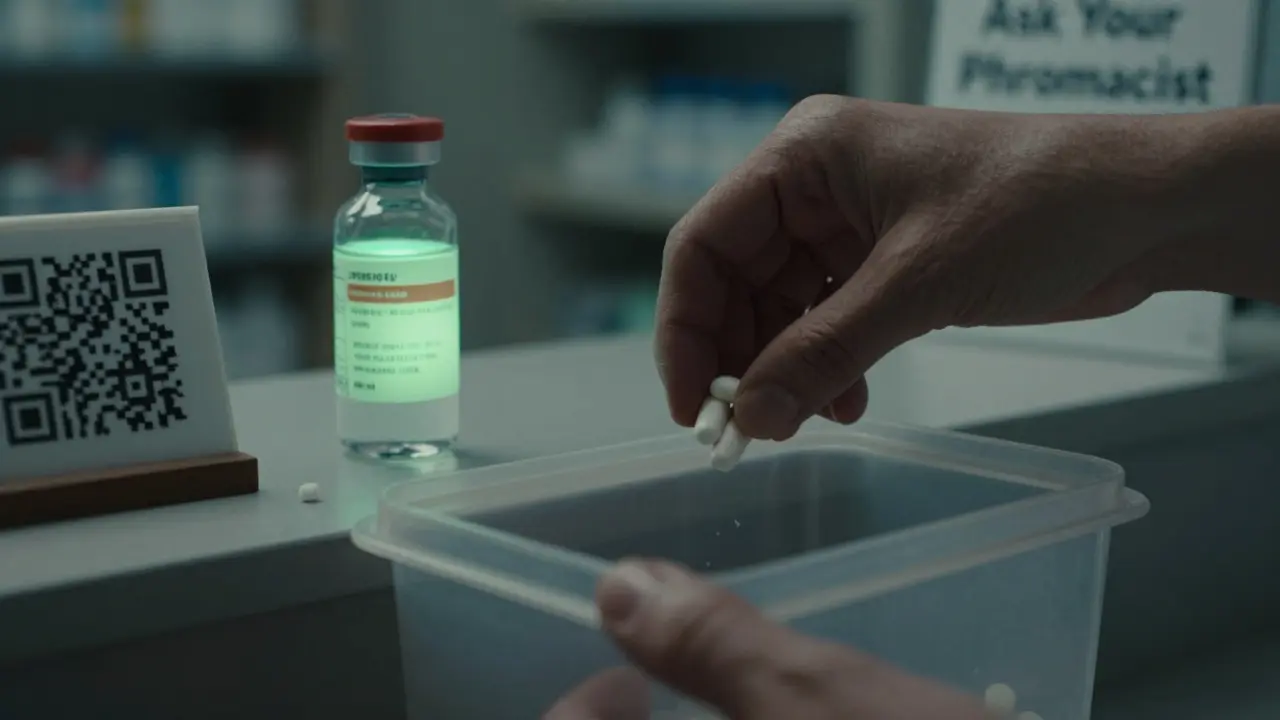
Smart packaging is coming. Merck now uses temperature-sensitive ink on insulin vials - if it gets too warm, the label changes color. The European Medicines Agency now requires this for certain drugs. The FDA is pushing QR codes on labels that link to real-time storage and expiry info.
But right now? You still need to do the work. No app can replace a quick glance at the date before you pop a pill.
What to Do With Expired Medicine
Never flush pills down the toilet. Don’t toss them in the trash where kids or pets might find them. Take them to a pharmacy with a take-back program. Most chemists in Australia offer this for free. If not, mix them with coffee grounds or cat litter, seal them in a container, and throw them in the bin. It’s not perfect - but it’s safer than leaving them exposed.
And if you’re ever unsure? Call your pharmacist. It’s free advice. And it could save your life.
Can I still use medicine after the expiration date?
Most medications remain safe and effective for some time after their expiration date - especially if stored properly. The FDA found that 90% of tested drugs retained potency years past their label date. But this doesn’t mean you should use them. Certain drugs - like insulin, thyroid medication, birth control, and antibiotics - can become dangerously ineffective. Always check with your pharmacist before using anything past its date.
Why do pharmacies put shorter expiration dates on prescriptions?
Pharmacies add shorter "discard after" dates to protect you. Once a medication is repackaged or opened, it’s exposed to air, moisture, and temperature changes. For example, liquid antibiotics break down within days. Even pills can lose potency faster outside their original sealed packaging. The pharmacy date is a safety buffer - not the drug’s true expiration.
Is it dangerous to take expired antibiotics?
Yes. Expired antibiotics may not kill all the bacteria, allowing the toughest strains to survive and multiply. This can lead to harder-to-treat infections and contribute to antibiotic resistance - a global health crisis. Never use expired antibiotics for any infection, even if you think it’s "just a cold."
How should I store my medications to make them last longer?
Keep medicines in a cool, dry, dark place - like a bedroom drawer. Avoid bathrooms (steam), kitchens (heat), cars (extreme temps), and windowsills (sunlight). If the label says "refrigerate," store it in the fridge - but not in the door. Always keep them in original containers with child-resistant caps.
What if the expiration date is faded or unreadable?
If the date is worn off, don’t guess. Contact your pharmacy. They can look up your prescription history and tell you the original expiration. If you can’t confirm it, it’s safer to get a new supply. Never risk taking medicine you can’t verify.
Mike Hammer
February 14, 2026 AT 19:20Daniel Dover
February 16, 2026 AT 07:17Chiruvella Pardha Krishna
February 18, 2026 AT 05:54Joe Grushkin
February 19, 2026 AT 11:18Virginia Kimball
February 20, 2026 AT 19:10Kapil Verma
February 21, 2026 AT 12:16Michael Page
February 22, 2026 AT 21:09Mandeep Singh
February 24, 2026 AT 05:25Betty Kirby
February 25, 2026 AT 03:28