
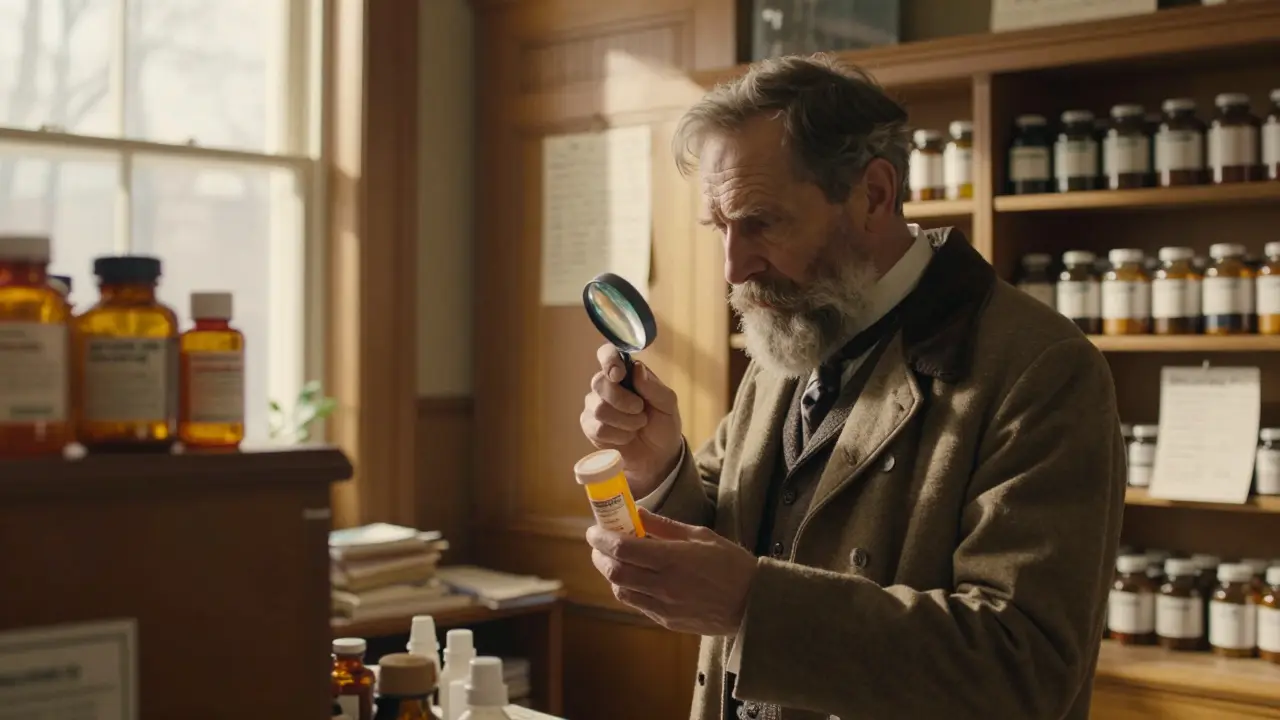
You find an old bottle of ibuprofen in the back of your medicine cabinet. The expiration date is six months past. Your headache is bad, and you’re out of new pills. Should you take it? What about that expired insulin? Or your epinephrine pen? These aren’t just hypotheticals-76% of Americans have used at least one expired medication, according to a 2022 Consumer Reports survey. But knowing whether it’s safe isn’t simple. The truth is, most expired drugs don’t turn poisonous. But they can stop working-sometimes with dangerous results.
Most Expired Drugs Don’t Become Toxic, But They Can Become Useless
The biggest myth about expired medications is that they turn dangerous. That’s not usually true. The Food and Drug Administration (FDA) says most drugs lose potency over time, not toxicity. A tablet of aspirin or acetaminophen that’s a year past its expiration date is unlikely to hurt you. But it might not help you either. That’s the real risk: taking something that looks like medicine but doesn’t work like it should.
Think of it like a flashlight battery. Even if it’s not dead, it might not give you enough light to find your way. For minor aches, that’s inconvenient. For life-saving drugs, it’s life-threatening. Insulin, epinephrine, nitroglycerin, and seizure medications are the big red flags. If these lose potency, you could end up in the hospital-or worse. Tetracycline is another exception. Older studies showed it could break down into substances that damage the kidneys. While newer versions are safer, pharmacists still advise against using any expired tetracycline.
Not All Medications Are Created Equal
How long a drug stays effective depends on its form. Solid pills and capsules usually hold up better than liquids, sprays, or injections. That’s because moisture, heat, and air break down chemicals faster in liquid form. A bottle of liquid antibiotics or insulin that’s expired is far riskier than a box of ibuprofen tablets stored in a cool, dry place.
Storage matters just as much as the expiration date. If your medicine sat in a hot bathroom or a sunny windowsill, it degraded faster. A pill that’s been kept in a dark drawer may still be fine months after its date. But if it’s cloudy, smells strange, or has changed color or texture-don’t use it. Those are clear signs of chemical breakdown, no matter what the label says.
When It’s Okay to Use an Expired Drug (and When It’s Not)
For over-the-counter pain relievers like ibuprofen, naproxen, or acetaminophen, many pharmacists say a few months past expiration is usually low risk-if you’re treating something minor like a headache or fever. But even then, you’re gambling on effectiveness. If the pain doesn’t go away, you’re not just wasting time-you might be letting a bigger problem grow.
For prescription drugs, the rules change. If you take medication for heart disease, high blood pressure, epilepsy, or diabetes, don’t risk it. A slightly weaker dose of blood thinner or insulin can cause serious harm. Even daily aspirin for heart protection shouldn’t be used past its date. That low dose is meant to keep your blood thin. If it’s lost potency, you’re unprotected.
Antibiotics are another tricky area. Taking an expired antibiotic won’t poison you, but it might not kill all the bacteria. That’s how antibiotic-resistant superbugs grow. The CDC reports 2.8 million antibiotic-resistant infections happen each year in the U.S., leading to 35,000 deaths. Using an ineffective antibiotic contributes to that crisis.
How to Talk to Your Pharmacist-Without Feeling Awkward
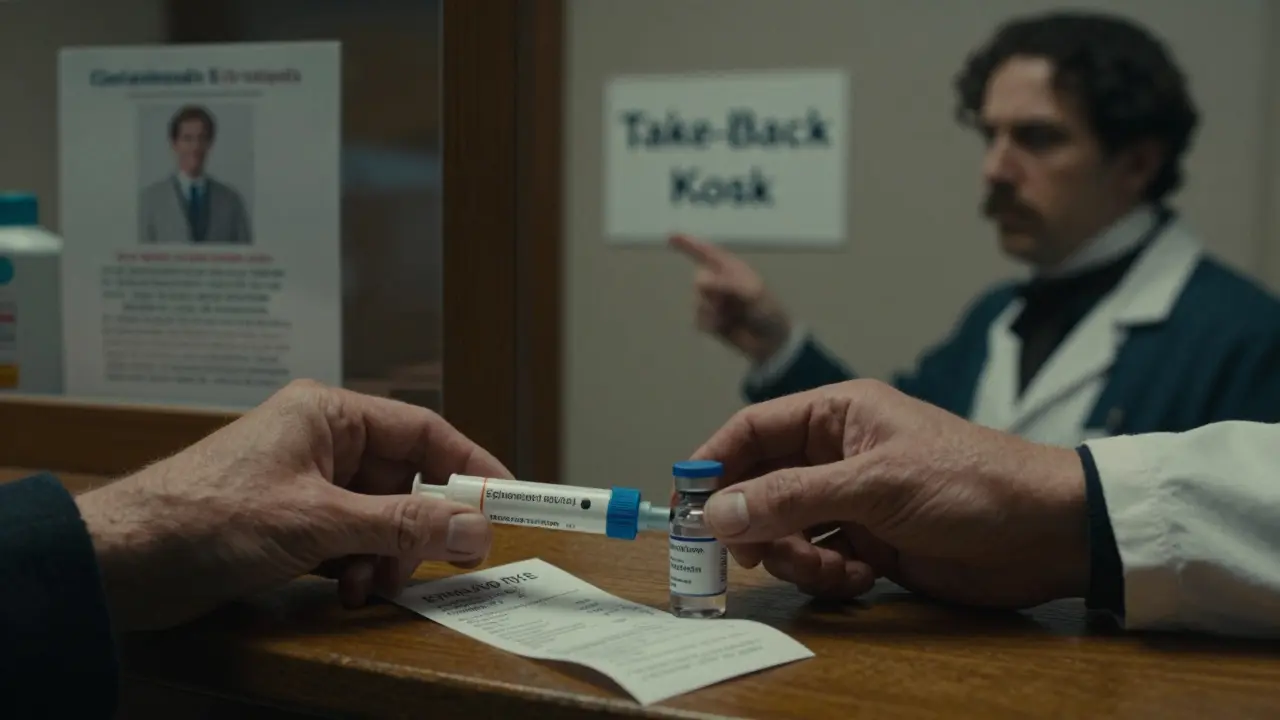
Pharmacists hear this question all the time. They’re not there to judge. They’re there to keep you safe. Here’s how to make the conversation clear and useful:
- Bring the actual medication. Don’t just describe it. Show them the bottle. They need to see the label, the form (tablet, liquid, injection), and any physical changes.
- Be honest about why you’re asking. Say: “I’m out of refills and can’t afford a new one right now,” or “I’m traveling and didn’t bring enough.” That helps them give you the best advice.
- Ask three key questions:
- “Is this one of the drugs that becomes dangerous when expired?”
- “How much potency do you think it’s lost?”
- “Can you help me get a refill or alternative right now?”
- Ask about cost-saving options. If you can’t afford a new prescription, ask if they have a generic, a discount program, or a patient assistance plan. Many pharmacies offer $4 generics or work with nonprofit programs.
Pharmacists can also check if your medication was repackaged. Sometimes, pharmacies put pills into new bottles with a new expiration date-one year from when they were filled. That’s different from the manufacturer’s date. If your pills came from the pharmacy, the repack date is the one that matters.
What to Do With Expired Medications-And What Not to Do
Don’t flush pills down the toilet. Don’t toss them in the trash with the bottle still labeled. Both are unsafe and harmful to the environment.
The best way? Use a drug take-back program. Over 9,000 pharmacies in the U.S. now have drop-off kiosks. Walgreens and CVS offer them at nearly all locations. You can drop off pills, patches, creams-even syringes-no questions asked. The DEA’s National Take Back Day collected 900 tons of expired meds in October 2022 alone.
If there’s no take-back site near you, mix the pills with something unappetizing: coffee grounds, cat litter, or dirt. Put them in a sealed bag or container, then throw them in the trash. Scratch off or cover your name and prescription info on the bottle first. That protects your privacy.
Prevent This Problem Before It Happens
The easiest way to avoid expired meds is to never let them expire. Here’s how:
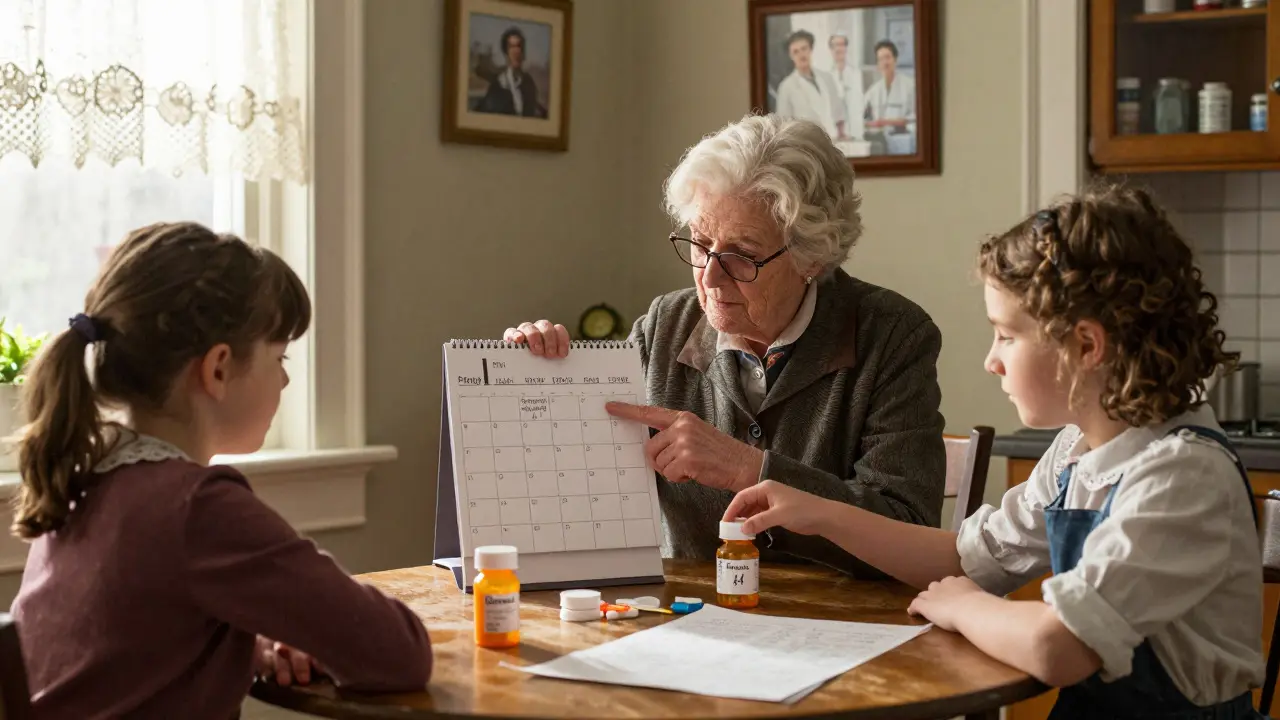
- Keep a list of all your meds with their expiration dates. Update it every time you refill.
- Use the “first in, first out” rule. Put new bottles behind old ones so you use the oldest first.
- Set phone reminders to refill prescriptions 7-10 days before you run out.
- Ask your doctor for smaller quantities if you don’t use a drug often. That reduces waste.
- Buy OTC meds in smaller packs if you only use them occasionally. No need to stockpile.
Some pharmacies now use digital tools to send automatic refill reminders. Ask yours if they offer that service. It’s free and cuts down on expired meds by nearly 40% in pilot programs.
What If You Already Took an Expired Drug?
If you took a slightly expired painkiller and feel fine, you’re likely okay. Monitor for symptoms-like pain returning or a fever not going down. If you took insulin, epinephrine, or an antibiotic and feel worse, contact your pharmacist or doctor immediately. Don’t wait.
Pharmacists track these incidents to help improve safety. If you tell them what happened, they can note it and help prevent others from making the same mistake.
Bottom line: Expired meds aren’t always dangerous-but they’re never guaranteed to work. Your pharmacist is your best resource for deciding what’s safe and what’s not. Don’t guess. Don’t ignore. Ask. It’s a simple conversation that could save your life.
Is it dangerous to take expired painkillers like ibuprofen or acetaminophen?
For most people, taking ibuprofen or acetaminophen a few months past expiration isn’t dangerous, but it might not work as well. These medications lose potency slowly. If your headache or fever doesn’t improve, don’t assume the pill is to blame-take a new one. Avoid using them if they’ve changed color, smell odd, or look powdery or cracked.
Which expired medications are truly dangerous?
Insulin, epinephrine pens, nitroglycerin, seizure medications, and tetracycline are the top concerns. These drugs can lose effectiveness quickly, and even a small drop in potency can be life-threatening. Liquid antibiotics and injectables are also risky because they degrade faster and can become contaminated. Never use any of these past their expiration date.
Can I use an expired antibiotic if I’m out of refills?
No. Even if the antibiotic looks fine, it may not kill all the bacteria. That can lead to a worse infection or create antibiotic-resistant strains. The CDC links over 35,000 U.S. deaths each year to antibiotic resistance. Always get a new prescription instead of risking an expired one.
Why do expiration dates exist if many drugs still work after?
Expiration dates are based on FDA-required stability testing. Manufacturers must prove the drug works as intended up to that date. After that, they’re not required to test further. Some drugs remain effective years later, but that’s not guaranteed. The date ensures safety and potency under normal storage conditions. Relying on “it might still work” is a gamble you shouldn’t take with critical meds.
How can I safely dispose of expired medications?
Use a drug take-back kiosk at a pharmacy like Walgreens or CVS-they’re free and available at 90% of locations. If none are nearby, mix pills with coffee grounds or cat litter, seal them in a bag, and throw them in the trash. Scratch out your personal info on the bottle first. Never flush pills unless the label says to.
Can pharmacists help me get cheaper replacements for expired prescriptions?
Yes. Many pharmacies offer $4 generic versions of common medications. Pharmacists can also connect you with patient assistance programs from drug manufacturers or nonprofits. They’re trained to help with cost issues and will often suggest alternatives before you risk using an expired drug.
Nicole K.
December 30, 2025 AT 03:25I can't believe people even ask this. Expired meds are just one step away from poisoning your kid or dying of an infection. If you can't afford your meds, go to a clinic or ask for help-not play Russian roulette with your health.
Fabian Riewe
December 31, 2025 AT 20:20Really glad someone laid this out so clearly. I used to keep old ibuprofen around 'just in case'-now I toss it after 3 months past expiry. My pharmacist told me even if it 'works,' you're gambling with your body's response. Better safe than sorry, right?
Amy Cannon
January 1, 2026 AT 19:00It is truly a travesty how many americans are so careless with their pharmaceuticals. I mean, really-do you not understand that the FDA does not just pull expiration dates out of thin air? They conduct extensive stability testing under controlled conditions. And yet, people leave their insulin in the glove compartment of their car during a summer road trip and then wonder why they're in the ER. It's not just ignorance-it's a cultural disregard for science. And don't even get me started on flushing pills. That's not just irresponsible, it's ecologically negligent. I mean, think of the fish, folks.
Himanshu Singh
January 3, 2026 AT 06:47Good post! I live in india and here many people reuse expired meds because they cant afford new ones. But i always tell my family: if its for heart, blood sugar or seizures-dont risk it. Painkillers? Maybe. But never antibiotics or insulin. Thanks for reminding us about take-back bins-i didnt know cvs has them!
Sharleen Luciano
January 3, 2026 AT 08:28How is it possible that anyone still believes the FDA’s expiration dates are arbitrary? This isn’t some DIY blog-it’s pharmacology. You wouldn’t drive a car with expired brake fluid, so why treat your body like a garage sale? The fact that 76% of Americans have used expired meds says less about necessity and more about collective medical illiteracy. Shameful.
Jim Rice
January 3, 2026 AT 14:09Actually, a 2012 DoD study found that 90% of expired drugs were still effective up to 15 years later. The whole expiration date thing is a scam by pharma to make you buy more. You’re being manipulated. Your pharmacist isn’t helping you-they’re protecting profits.
Henriette Barrows
January 3, 2026 AT 23:23I had a friend who ran out of her epinephrine pen and used the expired one during an allergic reaction. She made it to the hospital, but barely. I never realized how fast those things degrade until then. I now check my meds every 3 months and set calendar alerts. It’s a small habit, but it saved her life. Thanks for the reminder to ask pharmacists-they’re way more helpful than people think.
Alex Ronald
January 4, 2026 AT 08:09One thing people forget: if your pill bottle says 'expire 04/2024' but it was repackaged by the pharmacy in 01/2024, the real expiry is 01/2025. Always ask. I used to throw out perfectly good meds because I didn’t know the difference. Now I always check the label for 'dispensed on' and 'beyond use' dates. Pharmacists love when you ask that-it shows you’re paying attention.
Teresa Rodriguez leon
January 4, 2026 AT 17:04My mother died because she took expired insulin. She thought it was fine because it 'looked the same.' No one warned her. Now I scream at every person I see holding an old pill bottle. Don't wait until it's too late. Just throw it out.