

When it comes to controlling healthcare spending, few levers are as powerful as generic drugs. In Medicaid, generics make up 85% of all prescriptions but only 16% of drug spending. That’s not an accident. It’s the result of deliberate, aggressive strategies by states trying to stretch limited budgets without cutting access to essential medicines.
How Medicaid’s Generic Drug System Works
The foundation of all state efforts is the Medicaid Drug Rebate Program (MDRP), created by federal law in 1990. Under this program, drug manufacturers must pay rebates to states in exchange for having their drugs covered by Medicaid. For generic drugs, the rebate is calculated as either 13% of the Average Manufacturer Price (AMP) or the difference between AMP and the "best price" the manufacturer offers other buyers - whichever is higher. This system gives states a guaranteed discount, but it’s not flexible. Unlike brand-name drugs, where states can negotiate extra rebates on top of the federal minimum, generic rebates are locked in by federal formula. That means states can’t just haggle for better prices. They have to get creative.Maximum Allowable Cost Lists: The Most Common Tool
Forty-two states use Maximum Allowable Cost (MAC) lists to cap how much they pay for generic drugs. These lists set a price ceiling for each generic drug based on wholesale prices, average acquisition costs, or other benchmarks. If a pharmacy tries to bill Medicaid for more than the MAC amount, the state pays only the capped amount. It sounds simple - and it works. MAC lists saved states billions over the last decade. But they’re not perfect. In 2024, 68% of states updated their MAC lists monthly or less often. That’s a problem when generic prices swing wildly. A drug might drop to $2 per pill one month, but if the MAC list hasn’t been updated, the pharmacy gets paid $5. The next month, the price spikes to $8, and suddenly the pharmacy loses money because the MAC hasn’t caught up. Pharmacies, especially small independent ones, report delays in payments and claim denials because of these mismatches.Mandatory Generic Substitution and Therapeutic Interchange
Forty-nine states require pharmacists to substitute a generic version when it’s available - even if the doctor didn’t specify it. This is called mandatory generic substitution. It’s one of the most effective cost-control tools because it automatically shifts prescriptions away from expensive brand-name drugs. Thirty-seven states go further with therapeutic interchange. This means Medicaid can switch a patient from one generic drug to another within the same class - not because the original drug is unavailable, but because the new one is cheaper. For example, if two different generic blood pressure pills work the same way, Medicaid might push the patient to the one that costs $3 instead of $8. This isn’t about clinical effectiveness. It’s about economics. These policies are backed by preferred drug lists (PDLs). Twenty-eight states use PDLs to steer prescribers toward the most cost-effective options. If a doctor wants to prescribe a drug not on the list, they often need prior authorization - adding a paperwork hurdle that discourages unnecessary spending.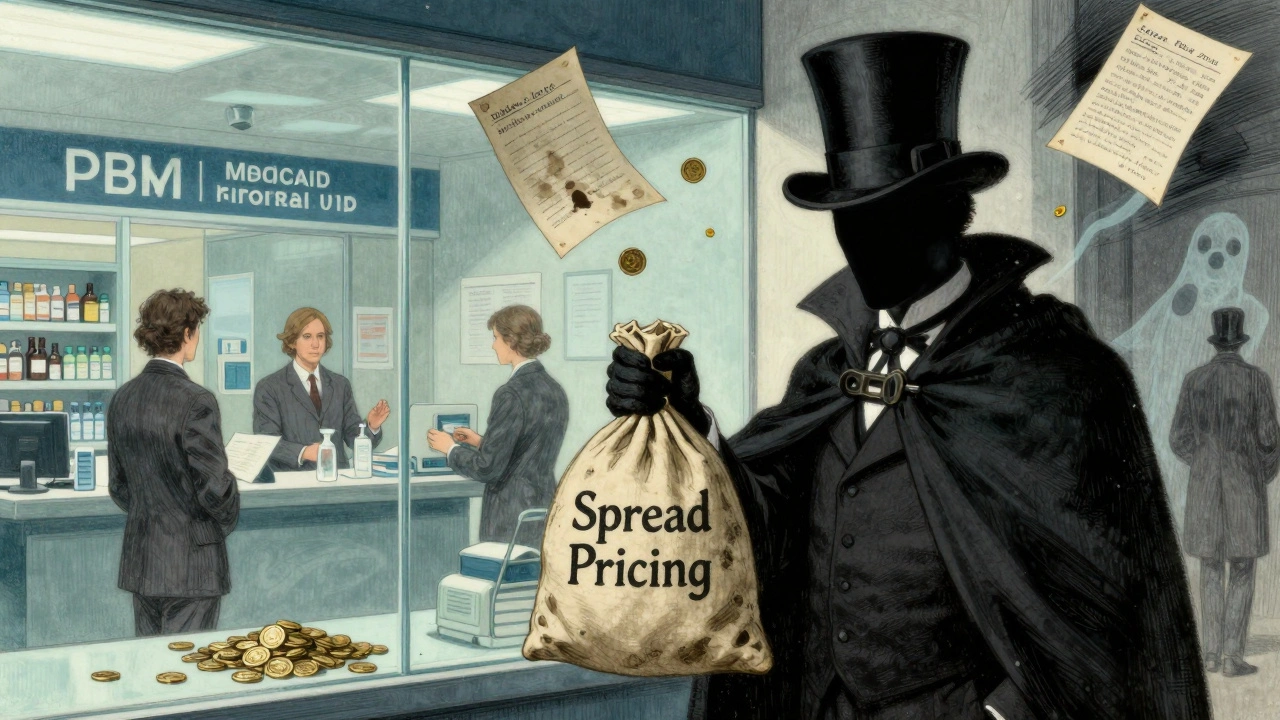
Targeting Price Gouging on Generic Drugs
Here’s where things get controversial. Some states aren’t just managing prices - they’re trying to stop them from exploding. In 2020, Maryland passed a law that makes it illegal for manufacturers to raise prices on generic drugs without a valid reason - like new clinical data or increased production costs. If a drug’s price jumps 50% in a year with no justification, the state can investigate and penalize the company. Other states, like California and Colorado, followed suit. This targets a real problem. In recent years, some generic drugs - especially older ones with few manufacturers - have seen wild price spikes. One insulin generic jumped from $10 to $200 per vial in five years. A heart medication went from $20 to $500. These weren’t supply chain issues. They were profit plays. But critics argue these laws backfire. The Pharmaceutical Care Management Association says price controls scare manufacturers out of the generic market. If a drug becomes unprofitable, they stop making it - and then there’s a shortage.The PBM Problem
Medicaid doesn’t pay pharmacies directly in most states. It contracts with Pharmacy Benefit Managers (PBMs) like OptumRx, Magellan, and Conduent to handle drug payments. These middlemen negotiate discounts, manage formularies, and collect rebates. But they also take a cut - sometimes hiding how much they’re really making. Twenty-seven states have passed new rules since 2024 requiring PBMs to disclose their actual acquisition costs for generic drugs. Before, many PBMs would bill Medicaid for a drug at $10, say they got it for $8, and pocket the $2 difference as a "spread." Now, states can see what the pharmacy really paid and pay accordingly. This is a quiet revolution. In states like Texas and New York, this transparency has already cut generic drug spending by 8-12% in just two years.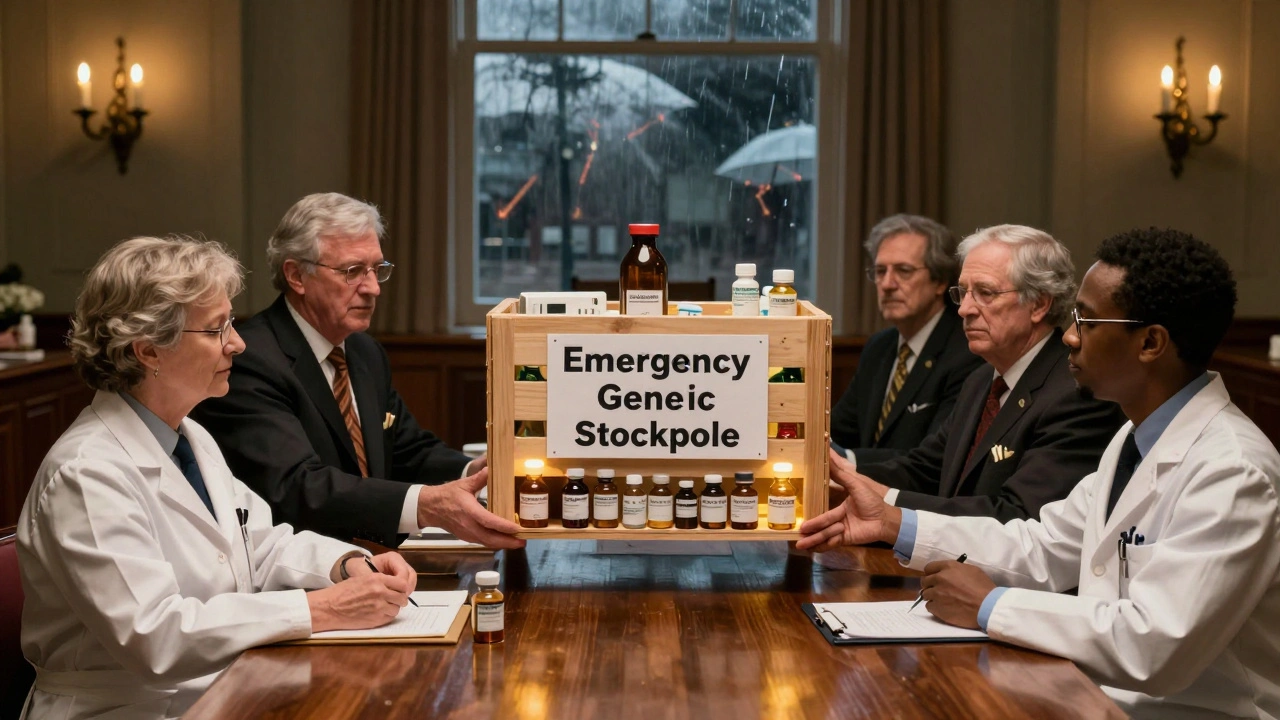
Supply Chain Shortages and Strategic Stockpiling
In 2023, 23 states reported shortages of critical generic drugs - like antibiotics, IV fluids, or seizure medications. The average shortage lasted nearly five months. Instead of just waiting for the market to fix itself, 12 states passed laws in 2024 to build emergency stockpiles. Oregon and Washington started a multi-state purchasing pool to buy 47 high-volume generics in bulk, locking in lower prices and ensuring supply. Texas created a carve-out for gene therapies, but also set up a reserve for essential generics. The goal isn’t just to avoid shortages. It’s to prevent price spikes during emergencies. When a drug is scarce, manufacturers raise prices. States are trying to break that cycle before it starts.What’s Next: GLP-1s, Legal Battles, and Federal Shifts
The biggest new threat to Medicaid budgets isn’t a generic drug - it’s a brand-name one. GLP-1 medications like Ozempic and Wegovy cost around $12,000 per year. Thirteen states already cover them for obesity treatment, but only with strict rules. If a federal rule forces Medicaid to cover them without restrictions, it could add $1.2 billion in annual costs. Meanwhile, the Congressional Budget Office predicts 15 more states will introduce generic drug pricing laws in 2025. But pharmaceutical companies are fighting back. They’ve sued over 20 state laws already, arguing they violate federal law or interstate commerce rules. So far, courts have been split. The federal government is stepping back. In March 2025, CMS dropped its own drug pricing model, putting the entire burden on states. That means Medicaid agencies are now on the front lines of drug cost control - with no backup.Are These Policies Working?
The data says yes - but with caveats. States that use MAC lists, mandatory substitution, and PBM transparency have seen generic drug spending drop 5-8% annually. That’s billions saved. But every state also reports trade-offs: delayed pharmacy payments, fewer manufacturers willing to supply certain drugs, and occasional shortages. The key is balance. The most successful states - like Minnesota and Maryland - combine price caps with supply safeguards. They don’t just lower prices. They make sure the drugs are still available. The future of Medicaid isn’t about choosing between affordability and access. It’s about designing systems that deliver both.How do Medicaid MAC lists control generic drug costs?
Maximum Allowable Cost (MAC) lists set a price cap for generic drugs that Medicaid will pay. If a pharmacy charges more than the MAC amount, Medicaid pays only the capped price. This prevents overpayment when generic prices drop and keeps spending predictable. Forty-two states use MAC lists, with 31 updating them quarterly or more often to stay current.
Why can’t states negotiate better rebates for generic drugs like they do for brand-name drugs?
Federal law under the Medicaid Drug Rebate Program (MDRP) sets a fixed rebate formula for generics: either 13% of the Average Manufacturer Price or the difference between that price and the "best price" offered elsewhere - whichever is higher. Unlike brand-name drugs, states can’t add supplemental rebates for generics. This limits their ability to drive down prices through negotiation.
What’s the biggest challenge states face with generic drug pricing?
The biggest challenge is balancing cost control with drug availability. Aggressive price caps can cause manufacturers to stop producing low-margin generics, leading to shortages. At the same time, slow updates to MAC lists can leave pharmacies underpaid or overpaid, disrupting care. Twenty-three states reported critical generic shortages in 2023, with an average duration of 147 days.
Do state generic drug policies cause drug shortages?
They can - but not always. When price controls are too strict and don’t account for production costs, manufacturers may exit the market. The Congressional Budget Office warns that overly aggressive policies could reduce generic availability, forcing patients onto more expensive alternatives. However, states like Oregon and Texas that pair price caps with strategic stockpiling have avoided major shortages.
How are states fighting Pharmacy Benefit Manager (PBM) practices?
Twenty-seven states now require PBMs to disclose the actual cost they pay for generic drugs. Previously, PBMs often kept the difference between what they billed Medicaid and what they paid pharmacies - a practice called "spread pricing." Now, states can pay pharmacies based on real acquisition costs, cutting PBM profits and reducing overall drug spending by up to 12% in some states.
Will federal action change how states manage Medicaid generics?
The federal government has stepped back. In March 2025, CMS canceled its own drug pricing model, leaving states as the primary drivers of cost control. While federal rules on GLP-1 drugs may add new costs, there’s no new federal rebate reform for generics. States are on their own - and more than 30 are actively expanding their policies.
Which states are leading in generic drug cost control?
Maryland, Oregon, Minnesota, Texas, and California are leaders. Maryland bans unjustified generic price hikes. Oregon and Washington run a multi-state purchasing pool for bulk generic buys. Minnesota uses Inflation Reduction Act pricing as a cap. Texas combines MAC lists with gene therapy carve-outs and stockpiling. California uses Prescription Drug Affordability Boards to set price limits.
Shayne Smith
December 7, 2025 AT 22:32So basically states are playing Jenga with people’s meds and hoping the tower doesn’t fall. Cool.
Billy Schimmel
December 8, 2025 AT 10:01They cap the price of insulin at $3 but then the pharmacy gets paid $1.50 and says ‘lol good luck’.
Meanwhile, I’m choosing between food and my pills again. Thanks, policy.
Max Manoles
December 9, 2025 AT 12:13The structural flaw here isn’t the MAC lists-it’s the federal rebate formula. It’s a relic from 1990, designed for a market that no longer exists. Generics aren’t commodities anymore; they’re strategic assets controlled by oligopolies. The rebate system treats them like aspirin while the market treats them like gold.
States are patching a dam with duct tape while the federal government watches Netflix. The only way this works long-term is if Congress updates the MDRP to allow supplemental rebates for generics, just like brand-name drugs. Otherwise, we’re just delaying the inevitable collapse.
Clare Fox
December 11, 2025 AT 04:01why do we keep pretending drugs are just ‘products’ like toothpaste?
they’re life or death. but the system acts like it’s negotiating a bulk discount on paper towels.
someone’s making bank while grandma skips her meds. we’re not fixing a system-we’re just rearranging deck chairs on the titanic.
Arjun Deva
December 12, 2025 AT 16:28EVERYTHING is a scam. PBMs? Owned by Big Pharma. MAC lists? Designed to make small pharmacies fail. Even ‘generic’ drugs? Mostly made in China or India and shipped through shell companies. The ‘savings’? All going to Wall Street. You think this is about healthcare? Nah. It’s about control. And the FDA? In the pocket. You’re being played. Always.
Jackie Petersen
December 14, 2025 AT 10:53Why are we letting other countries dictate our drug prices? If we just stopped buying from China and India and made everything here, prices would drop. It’s not rocket science. It’s patriotism. But no, we’d rather let foreigners profit while our seniors starve. Pathetic.
Kumar Shubhranshu
December 15, 2025 AT 10:30Nava Jothy
December 17, 2025 AT 03:34Oh wow, so now we’re playing economist with people’s survival? How noble. 😏
Meanwhile, I just paid $800 for a 30-day supply of a ‘generic’ that was $12 last year. But hey, at least the state saved $0.47 per pill. Bravo. 🎉
Maybe next time we can cut the cost of oxygen? Just a thought.
Kenny Pakade
December 19, 2025 AT 03:26These ‘cost-saving’ policies are just socialism in a lab coat. You want cheaper drugs? Ban imports. Make them in America. End the PBM middlemen. Stop rewarding failure. This is what happens when you let bureaucrats think they’re smarter than the market. Spoiler: they’re not.
olive ashley
December 20, 2025 AT 23:54Let’s be real: if you’re on Medicaid, your meds are already a lottery. The system doesn’t care if you live or die-it just cares if the spreadsheet looks good.
They’ll cap a drug at $2, then the manufacturer stops making it. Then you get switched to something that gives you seizures. Then they say ‘we tried’. No one’s accountable. No one’s punished. Just more paperwork.
And don’t even get me started on the PBM ‘spreads’. That’s pure theft. And they call themselves ‘healthcare’?
Ibrahim Yakubu
December 22, 2025 AT 23:24You think this is bad? In Nigeria, we pay full price for generics because there’s no system. No rebates. No MAC lists. No transparency. You pay what they say. And if you can’t? You die. So yes, your state is broken. But at least you have a broken system. We have no system at all. Stop complaining. Be grateful.
Saketh Sai Rachapudi
December 23, 2025 AT 00:18states are just copying each other like kids in school. one does mac lists so everyone else does it. no one thinks. no one tests. just slap a cap and hope no one dies. lol
joanne humphreys
December 23, 2025 AT 14:57It’s fascinating how every solution creates a new problem. MAC lists help prices but hurt pharmacies. PBM transparency helps pharmacies but might reduce innovation. Stockpiling prevents shortages but ties up capital. Maybe the real answer isn’t more rules-but better data, real-time pricing, and collaboration between states and manufacturers. We’re treating symptoms, not the disease.