
Warfarin Medication Safety Checker
Check if an over-the-counter medication is safe to take while on warfarin. Enter the medication name or ingredients to see if it contains dangerous components.
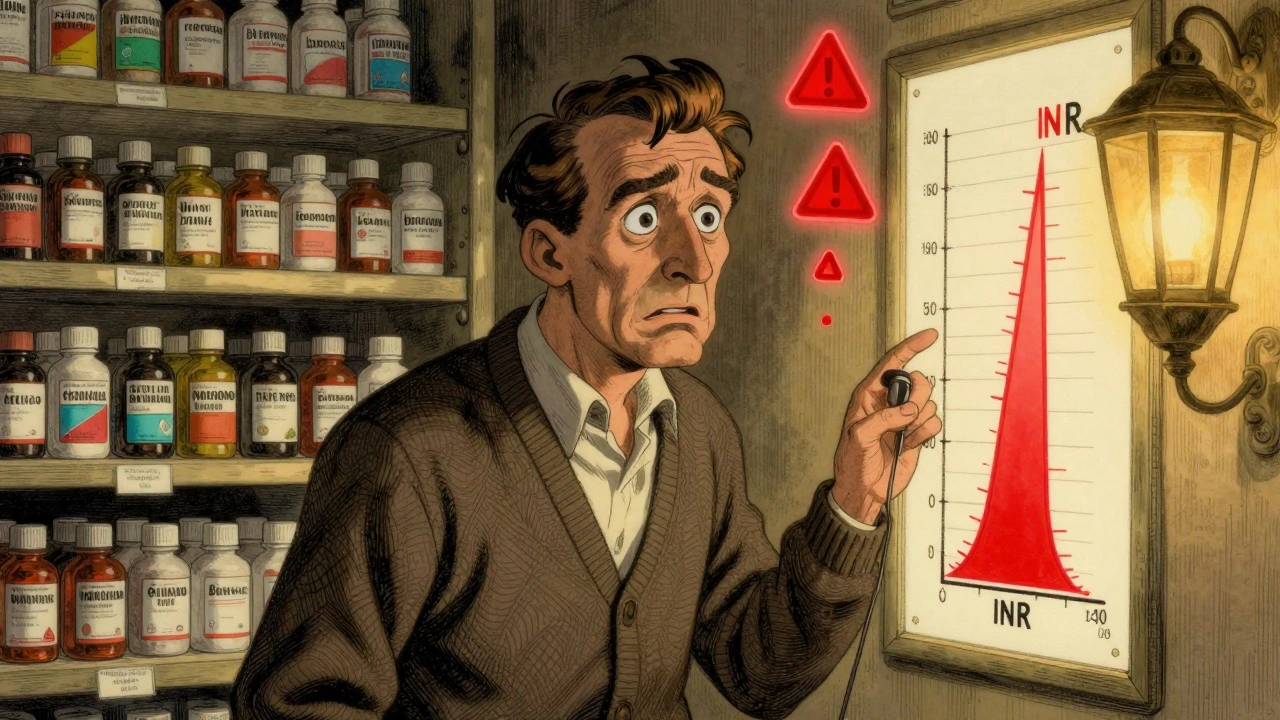
Every year, millions of people on warfarin reach for an OTC cold medicine without realizing they’re putting themselves at serious risk. Warfarin - sold under brand names like Coumadin - is a blood thinner used to prevent clots in people with atrial fibrillation, deep vein thrombosis, or mechanical heart valves. But even a single dose of the wrong cold remedy can send your INR soaring, leading to internal bleeding, emergency hospitalization, or worse. This isn’t hypothetical. In 2023, nearly 1 in 5 warfarin-related complications came from over-the-counter cold and flu products. And most of these cases were completely preventable.
Why Warfarin Is So Sensitive
Warfarin doesn’t work like most medications. It has a very narrow safety window. Your doctor aims to keep your INR (International Normalized Ratio) between 2.0 and 3.0. That’s the sweet spot where your blood clots slowly enough to prevent strokes or clots, but not so slowly that you bleed out from a minor cut. Go above 4.0? You’re at high risk for bleeding. Below 1.5? Clots can form without warning.
What makes warfarin tricky is how your body processes it. It’s broken down by liver enzymes - mainly CYP2C9 - and its effect is tied to vitamin K levels. Many OTC drugs interfere with either of these systems. Some boost warfarin’s effect. Others weaken it. A few even damage your stomach lining or stop platelets from working. Combine that with warfarin, and you’re playing Russian roulette with your blood.
The Top 5 Dangerous OTC Ingredients to Avoid
Not all cold medicines are created equal. Some are safe. Others are ticking time bombs. Here are the five ingredients you must avoid if you’re on warfarin:
- Aspirin (acetylsalicylic acid): Found in Bayer, Excedrin, Anacin, and even some sinus relief products. Aspirin thins blood by blocking platelets. When combined with warfarin, bleeding risk jumps by 3.2 times. Even low-dose aspirin (81 mg) should only be taken if your doctor specifically prescribed it.
- Ibuprofen (Advil, Motrin): This NSAID doesn’t just reduce pain - it irritates your stomach lining and stops platelets from clumping. With warfarin, the risk of a gastrointestinal bleed goes up by 4.5 times. A 2021 FDA review found that 42% of warfarin-related ER visits involved NSAIDs like ibuprofen.
- Naproxen (Aleve): Just as dangerous as ibuprofen. Often hidden in multi-symptom cold formulas. Many people don’t realize they’re taking it because it’s not listed as the main ingredient.
- Magnesium salicylate (Doan’s Pills, others): This isn’t aspirin - but it acts like it. It impairs platelet function. In 2023, 37 warfarin users reported bleeding episodes after taking these “aspirin-free” pain relievers.
- Cimetidine (Tagamet): An older heartburn drug still sold OTC. It blocks the liver enzyme that clears warfarin. Studies show it can raise warfarin levels by 30-50%, leading to dangerous INR spikes.
What’s Actually Safe to Take
Good news: you don’t have to suffer through a cold untreated. Many OTC options are safe - if you know what to look for.
- Acetaminophen (Tylenol): This is your best bet for fever and pain. But here’s the catch: don’t exceed 2,000 mg per day. Taking more than that for three days straight can impair platelet function and raise bleeding risk. Stick to 325-650 mg every 6 hours, max.
- Pseudoephedrine (Sudafed): A nasal decongestant that doesn’t affect bleeding. It’s safe at standard doses (30-60 mg every 4-6 hours). Avoid the “D” versions that combine it with NSAIDs.
- Phenylephrine (Sudafed PE): Also safe. Though less effective than pseudoephedrine, it doesn’t interfere with warfarin.
- Diphenhydramine (Benadryl) and Chlorpheniramine (Chlor-Trimeton): First-gen antihistamines. Safe for runny nose and sneezing. They don’t affect clotting or liver enzymes.
- Cetirizine (Zyrtec) and Loratadine (Claritin): Second-gen antihistamines. Even safer - less drowsiness, no interaction risk.
- Guaifenesin (Robitussin, Mucinex): An expectorant that helps loosen mucus. Completely safe at standard doses.
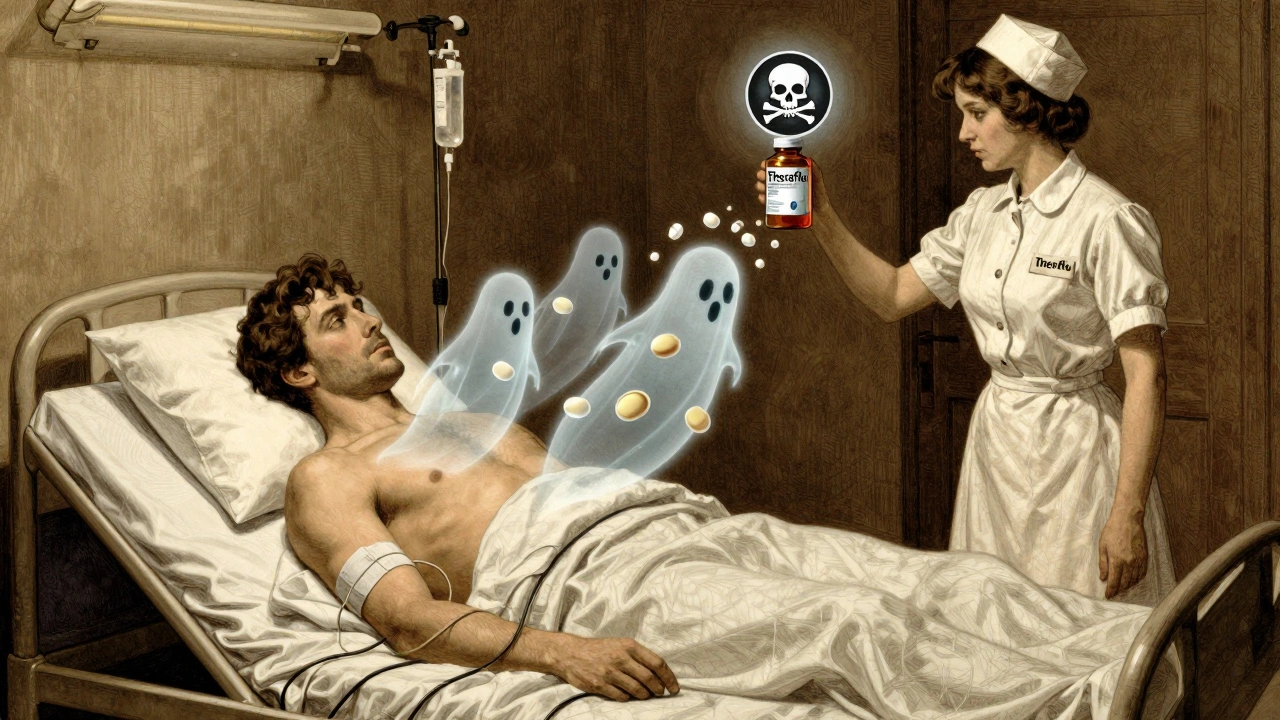
Important: Always check the label. Products like Theraflu, DayQuil, and NyQuil often mix several ingredients. One might be safe. The others? Not so much. For example, Theraflu Nighttime Severe Cold & Flu contains acetaminophen, phenylephrine, and diphenhydramine - all safe individually. But if you’re also taking Tylenol or another acetaminophen product, you could easily overdose.
The Hidden Danger: Multi-Symptom Cold Products
Here’s where most people get caught. You’re feeling awful. You grab a bottle labeled “Cold & Flu Relief.” You read “aspirin-free” and think you’re safe. But buried in the ingredient list? Naproxen. Or ibuprofen. Or magnesium salicylate.
Studies show that 73% of warfarin-NSAID interactions happen through these combo products. The FDA now requires all OTC NSAIDs to have a bold warning on the front: “Do not use if taking blood thinners.” But many older bottles still in cabinets don’t have it. And some store brands skip the warning entirely.
Bottom line: Never assume. Always read the full ingredient list - not just the headline claims. Look for these red flags:
- “NSAID” or “nonsteroidal anti-inflammatory”
- Any -profen ending (ibuprofen, naproxen)
- Salicylate (aspirin, magnesium salicylate)
- Cimetidine (Tagamet)
Supplements You Didn’t Think Were Medicines
Many people don’t realize that vitamins, herbs, and supplements can be just as dangerous as pills.
- St. John’s wort: Reduces warfarin’s effectiveness by 30-50%. You might think you’re protected, but your INR drops - and you’re at risk for a clot.
- Ginkgo biloba: Increases bleeding risk by 2.1 times. Often taken for memory or circulation.
- Fish oil: High doses (over 3,000 mg daily) can thin blood further. Stick to 1,000 mg or less unless your doctor says otherwise.
- Garlic, ginger, ginseng: All can increase bleeding. Use in food? Fine. Take as supplements? Avoid.
What to Do Before You Take Anything
There’s one rule that saves lives: Never take a new OTC medicine without checking with your anticoagulation clinic or pharmacist.
Harvard Medical School says patients should treat every OTC product as dangerous until proven safe. And it’s not just a suggestion - it’s a standard of care. The Anticoagulation Forum’s 2021 guidelines say patients must contact their care team before taking anything new, even if it’s “just for a few days.”
Here’s your action plan:
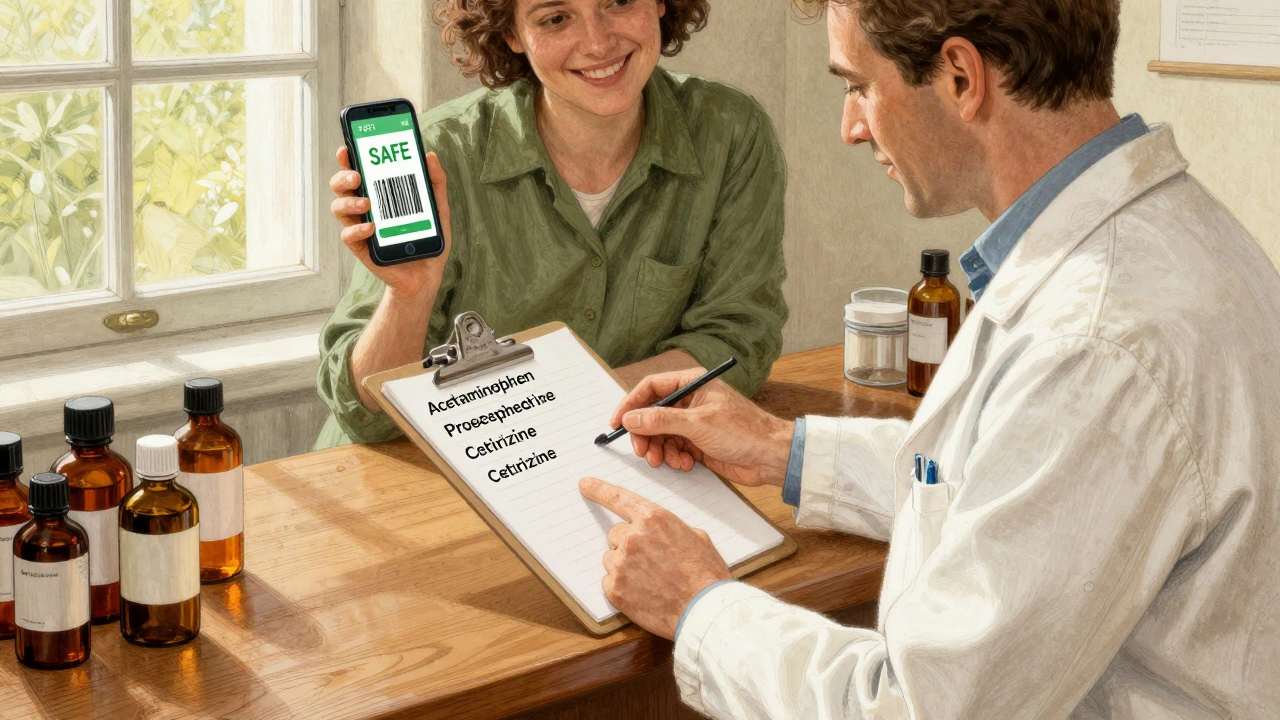
- Keep a printed list of approved OTC meds from your clinic. Update it every time your warfarin dose changes.
- Use the “read twice” rule: Read the label once for active ingredients. Read it again for warnings.
- Ask your pharmacist: “Is this safe with warfarin?” Don’t assume they know - show them the bottle.
- Use a barcode scanner app like Mayo Clinic’s Warfarin Watch. It scans OTC labels and flags dangerous interactions with 94% accuracy.
- When in doubt, wait. Call your clinic. Don’t risk it.
Real Stories, Real Consequences
On Reddit, a user named u/WarfarinWarrior posted about being hospitalized after taking two doses of Theraflu. His INR jumped from 2.4 to 6.1 in 72 hours. He needed a vitamin K injection and a blood transfusion. He didn’t know Theraflu contained acetaminophen - and he’d already hit his daily limit with Tylenol.
Another user in a Facebook support group took Doan’s Pills for back pain. They thought it was “aspirin-free,” so it was safe. But magnesium salicylate still affected his platelets. He ended up with a stomach bleed.
On the flip side, u/ClotFreeLife managed a 10-day cold using only Zyrtec, Sudafed, and plain Robitussin. He checked with his pharmacist first. His INR stayed stable. He didn’t miss work. He didn’t go to the ER.
It’s not luck. It’s preparation.
New Tools Making It Easier
Technology is helping. CVS Health piloted a system in 2023 that flags warfarin-NSAID combinations at checkout. Results? An 89% drop in errors. Mayo Clinic’s Warfarin Watch app scans barcodes and instantly tells you if a product is safe. Some clinics now offer genetic testing to see how your body metabolizes warfarin. If you have a CYP2C9 variant, you’re more sensitive to interactions - and knowing that lets your care team adjust your monitoring plan.
But here’s the truth: no app or test replaces knowing your own body and your own meds. The most effective tool is still education. Clinics that run 90-minute OTC safety workshops see 78% fewer mistakes.
Your Takeaway: Stay Safe, Stay Informed
Warfarin isn’t a medication you can treat casually. It’s not like taking a daily vitamin. Every pill, every drop, every supplement has the potential to change your blood’s behavior. Cold season is especially risky - and the danger isn’t just from the obvious stuff. It’s from the hidden NSAID in the nighttime formula. The salicylate in the “natural” pain reliever. The herbal supplement you think is harmless.
You don’t have to suffer through a cold. But you do have to be smart. Read every label. Call your clinic. Use approved products. And never, ever assume something is safe just because it’s sold over the counter.
Your life depends on it - not on luck, not on guesswork. On knowledge.
Michael Robinson
December 9, 2025 AT 23:21it’s wild how we treat meds like candy. you wouldn’t grab a random pill off a shelf and swallow it if you had a pacemaker, but warfarin? oh, it’s just a cold. we’re not being careful because we think we’re invincible. but the body doesn’t care what you think. it just bleeds.
Andrea Petrov
December 11, 2025 AT 14:23of course the FDA doesn’t do enough. they’re in bed with big pharma. why do you think they let these ‘aspirin-free’ labels fly? it’s all a scam. magnesium salicylate? that’s just aspirin in a cheap suit. they want you to keep buying and bleeding. they profit off your ignorance. and now they’re pushing apps to make you feel safe while you’re still dying slowly.
Steve Sullivan
December 12, 2025 AT 09:28bro i just got back from the doc and they gave me a printed list of safe meds. i didn’t even know i had to ask. 🤦♂️
so i scanned my whole medicine cabinet with the mayo app and found 3 things i’ve been taking for years that are basically poison with warfarin. one was ‘natural’ ginger capsules. i thought it was healthy. turns out it’s a blood thinner. 🤯
now i carry the list in my wallet. i even showed my grandma. she’s 78 and takes 12 pills a day. she didn’t know any of this either. we’re all just guessing. this post saved me. thank you.
George Taylor
December 13, 2025 AT 15:17...and yet, you still didn’t mention that acetaminophen can cause liver damage if you’re dehydrated or drink alcohol. you just said ‘don’t exceed 2,000 mg.’ that’s it? no context? no warning about chronic use? no mention of how many people die from accidental APAP overdose every year? you’re not informing. you’re performing. this is a half-baked safety guide disguised as a lifesaver. you’re doing more harm than good by making people feel ‘safe’ with a number.
Carina M
December 14, 2025 AT 07:54It is imperative to underscore that the ingestion of any non-prescribed pharmacological agent by individuals under anticoagulant therapy constitutes a profound breach of medical protocol. The casualization of pharmaceutical risk, as evidenced by the casual tone of this discourse, is both alarming and emblematic of a broader societal decline in health literacy. One must not treat warfarin as a mere inconvenience, but as a life-sustaining mechanism requiring the utmost reverence and precision.
Ajit Kumar Singh
December 14, 2025 AT 12:46Maria Elisha
December 14, 2025 AT 23:13i just took a nyquil last week. i swear i read the label. but i didn’t see anything about warfarin. now i’m paranoid. should i go get my inr checked? or am i overreacting? 😅
Angela R. Cartes
December 15, 2025 AT 19:28so let me get this straight… i can take zyrtec and sudafed pe, but if i take one extra tylenol? i’m dead? 😭
and i thought i was being careful. i’ve been avoiding ibuprofen since 2020. but now i realize i’ve been using ‘safe’ meds like they’re candy. i feel like a toddler with a loaded gun.
Katherine Chan
December 16, 2025 AT 04:48you’re not alone. i was terrified after reading this. but then i called my pharmacist and she printed me a little card with safe meds on one side and dangerous ones on the other. i keep it in my wallet next to my insurance card.
it’s not scary if you’re prepared. you don’t have to live in fear. you just have to be smart. and ask. always ask. your life is worth that one phone call.
Shubham Mathur
December 17, 2025 AT 04:57Stacy Tolbert
December 18, 2025 AT 12:39i took a dayquil last year and ended up in the hospital. they said my inr was 7. i didn’t even know it had acetaminophen. i was already taking tylenol for my back. i cried in the ER. i felt so stupid. now i carry a list. i scan everything. i even made my husband memorize the safe ones. i’m alive because i got scared. please don’t wait until you’re bleeding to care.
Taya Rtichsheva
December 19, 2025 AT 14:00so the solution is… don’t get sick? 😏
also why is the only safe decongestant the one you can’t buy without a license? pseudoephedrine? the one that’s locked behind the counter? classic.
Christian Landry
December 19, 2025 AT 23:05honestly this is the most useful thing i’ve read all year. i’ve been on warfarin for 8 years and never knew about cimetidine. i used to take tagamet for heartburn all the time. 🤯
just scanned my medicine cabinet with the app. found 3 bad ones. threw them out. called my clinic. they sent me a free printable list. now i’m like a warfarin ninja. 🥷
thank you. seriously. you saved my life without knowing it.
Sarah Gray
December 21, 2025 AT 04:32It is unconscionable that this post does not explicitly state that the use of any OTC medication without direct consultation with a board-certified hematologist constitutes negligence. The casual tone, the oversimplification of complex pharmacokinetics, and the implicit endorsement of app-based solutions over clinical judgment represent a dangerous erosion of medical authority. If you are on warfarin, you are not a consumer-you are a patient. Act accordingly.