
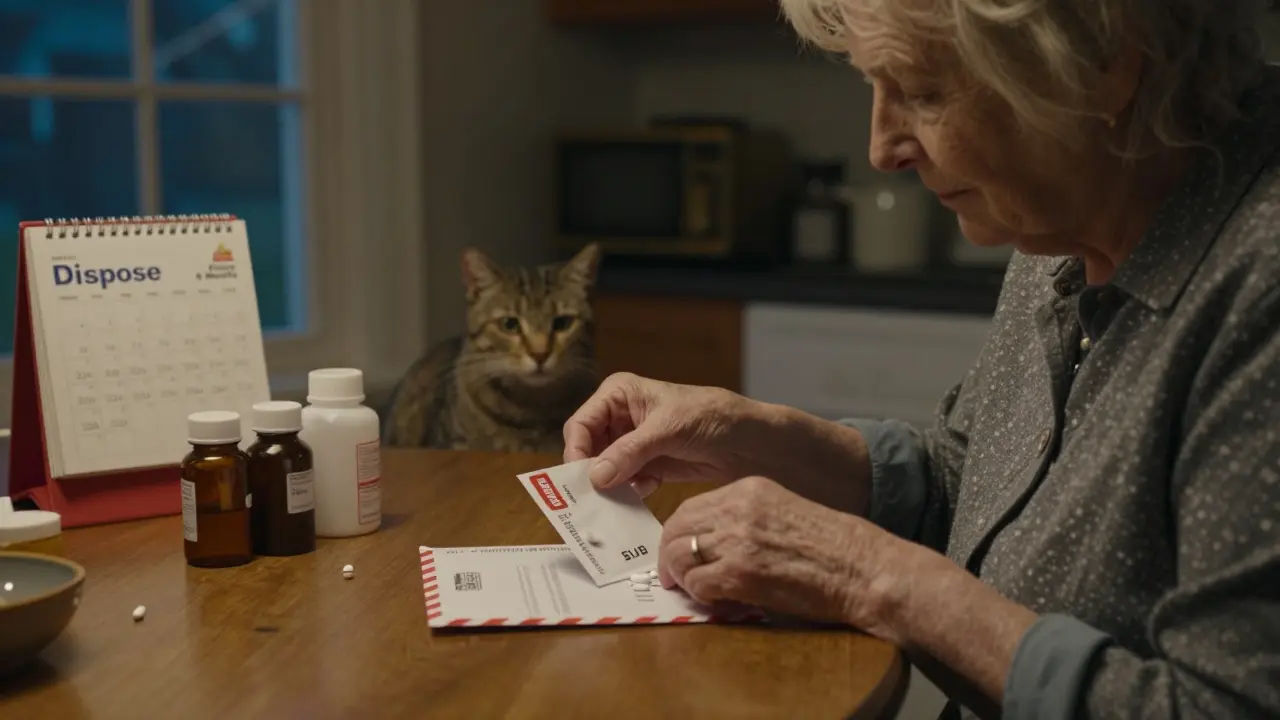
Every year, millions of unused or expired pills sit in bathroom cabinets, kitchen drawers, and medicine chests across Australia and the U.S. - and most people don’t know what to do with them. Flushing them down the toilet? Throwing them in the trash? Those are the wrong moves. Both can poison water supplies, attract curious kids or pets, and even fuel drug abuse. The cleanest, safest, and most responsible way to get rid of unwanted medications? Prepaid drug mail-back envelopes.
These aren’t just fancy envelopes. They’re a regulated, secure system designed to remove dangerous drugs from homes and turn them into energy - not landfill waste. And it’s easier than you think.
How Prepaid Drug Mail-Back Envelopes Work
The process is simple: order, fill, seal, mail. That’s it. No trips to police stations. No waiting in line at pharmacies. You don’t need to find a drop-off location. Just follow four basic steps:
- Order your envelope - Many pharmacies give them away for free, or you can buy them online in packs of 3, 10, or even 50.
- Fill it - Put in expired pills, leftover antibiotics, old painkillers, pet meds, or over-the-counter drugs like ibuprofen or antihistamines. Liquids? Only up to 4 ounces. No needles. No inhalers. No aerosols.
- Seal it - Use the tamper-evident tape provided. Once sealed, it can’t be opened without showing damage.
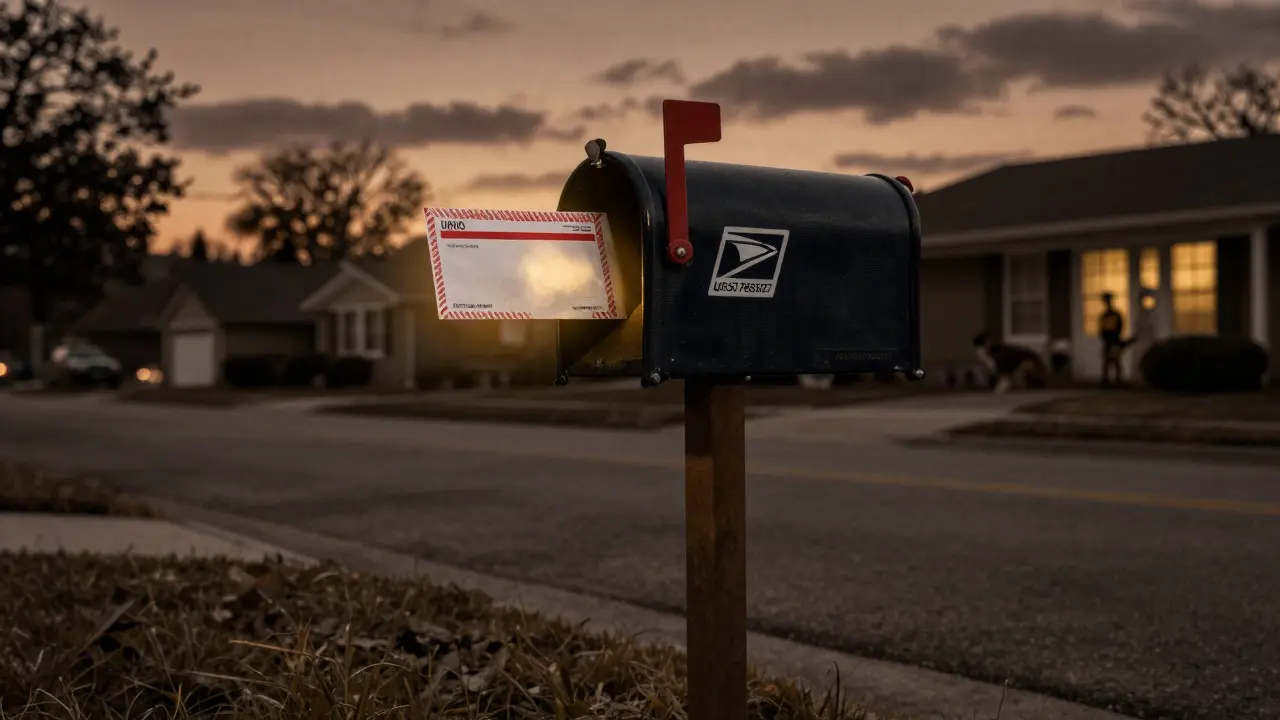
- Mail it - Drop the sealed envelope into any U.S. Postal Service mailbox. No stamp needed. It’s prepaid.
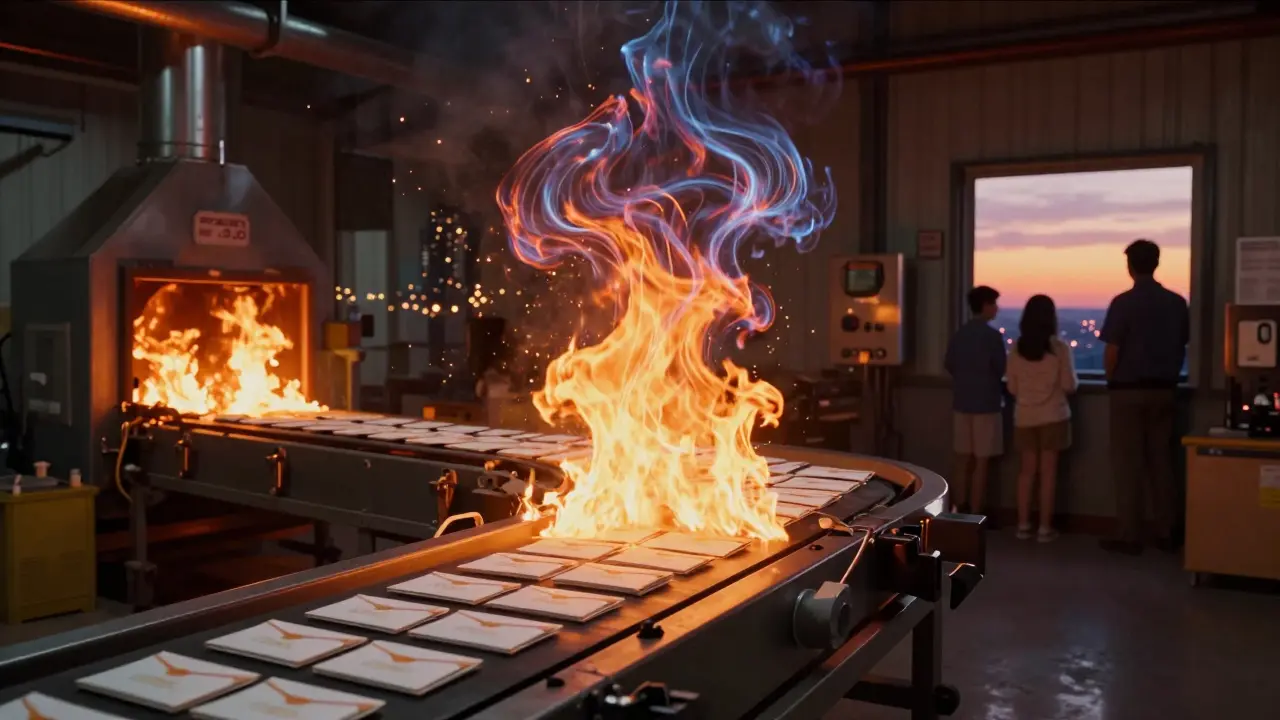
The envelope then goes to a DEA-registered facility where everything inside is incinerated at high temperatures. That’s not just burning trash - it’s waste-to-energy conversion. The heat generated powers local grids, and nothing goes to landfill. The whole system is designed to be anonymous and traceable. Some providers let you check online when your envelope was received and destroyed.
What You Can and Can’t Put In
Not every medication fits in these envelopes. Knowing what’s allowed prevents delays and rejections.
- Accepted: Prescription pills, liquid medications (up to 4 oz), over-the-counter drugs, veterinary meds, medication samples, and patches.
- Not accepted: Needles, syringes, inhalers, aerosol cans, alcohol-based products, illegal drugs, sharps, or anything from a clinic or pharmacy (business-generated waste).
If you have an asthma inhaler, you need a different solution - some states like California offer special mail-back kits just for inhalers. Needles? Use a sharps container and drop it off at a pharmacy or hospital. Mixing the wrong items in can cause the whole envelope to be rejected.
Also, always remove or black out your name, prescription number, and pharmacy info from the original bottle before tossing it in. Even though the envelope is sealed and anonymous, it’s a good habit to protect your privacy.
Why This Matters More Than You Think
Imagine this: a child finds an old painkiller in a drawer. A teenager finds a stash of opioids in a relative’s medicine cabinet. A fish swims in a river where someone flushed their antidepressants. These aren’t hypotheticals - they happen every day.
The FDA says mail-back envelopes are one of the best ways to dispose of unused meds because they prevent contamination. Pharmaceuticals in water systems have been linked to hormonal changes in fish, algae blooms, and even potential human health risks over time. The EPA confirms that proper disposal reduces environmental impact far more than landfilling or flushing.
There’s also a safety angle. In 2022, the DEA collected over a million pounds of unwanted drugs during National Take Back Day alone. That’s not just about cleaning up - it’s about stopping diversion. Unused pills are a major source of drug abuse. By removing them from homes, you reduce the chance someone misuses them.
And it’s not just for you. If you care for an elderly parent, manage medications for a pet, or live with someone on long-term prescriptions, this system gives you peace of mind.
Who Offers These Envelopes?
There’s no single national provider - it’s a mix of private companies and government-backed programs.
- Mail Back Meds sells envelopes online in bulk packs and offers tracking through a secure portal. They focus on eco-friendly disposal and compliance with EPA guidelines.
- Stericycle’s Seal&Send targets clinics, pharmacies, and nursing homes. They provide data reports for organizations that want to show environmental leadership.
- American Rx Group works with waste-to-energy plants to turn meds into electricity. Their envelopes are legal in all 50 states with no hidden fees.
- Opioid Analgesic REMS Program - Starting March 31, 2025, pharmacies that prescribe opioid painkillers will be required to offer free mail-back envelopes to patients. This is a major shift driven by federal regulation to tackle the opioid crisis.
Some local pharmacies in Australia and the U.S. give them out for free. Others charge a small fee. Check with your pharmacy or search online for “free medication disposal envelope [your city].”
Common Mistakes People Make
Even with clear instructions, people mess up. Here are the top errors:
- Putting sharps in the envelope. Needles, lancets, or syringes must go in a rigid sharps container. Don’t risk injury to postal workers or handlers.
- Trying to mail it from a pharmacy. Never drop a filled envelope at your pharmacy, hospital, or police station. It’s not designed for that. Only use a USPS mailbox.
- Leaving personal info on bottles. Always scratch out your name, DOB, and Rx number. It’s not required, but it’s smart.
- Waiting too long to dispose. The longer unused meds sit around, the higher the risk of misuse or accidental poisoning. Clear them out every 6-12 months.
Also, don’t assume all envelopes are the same. Some allow 8 oz of meds, others cap at 4 oz. Always check the instructions on the envelope you receive.
What’s Next? The Big Change Coming in 2025
Starting March 31, 2025, every pharmacy that prescribes opioid painkillers - like oxycodone, hydrocodone, or fentanyl - must offer a free mail-back envelope to patients. This isn’t optional. It’s a federal mandate under the Opioid Analgesic Risk Evaluation and Mitigation Strategy (REMS).
Why now? Because opioids are the most commonly misused prescription drugs. By making disposal automatic and free at the point of pickup, the government hopes to cut down on home stockpiles and reduce overdose deaths. This program will likely expand to other controlled substances in the future.
It’s a sign that mail-back envelopes are no longer a niche service - they’re becoming standard practice. And if you’re prescribed opioids, you’ll be handed an envelope before you even leave the pharmacy.
Where to Get Started Today
Here’s what you can do right now:
- Check your medicine cabinet. Pull out anything expired, unused, or no longer needed.
- Call your local pharmacy. Ask if they offer free mail-back envelopes.
- If not, visit a trusted provider like Mail Back Meds or American Rx Group online. Buy a 3-pack for under $10.
- Fill it. Seal it. Mail it.
Don’t wait for a crisis. Don’t wait for a law to change. If you have meds you don’t need, get rid of them properly. It’s one small step that protects your family, your community, and the environment.
Can I use a prepaid mail-back envelope in Australia?
Currently, prepaid drug mail-back envelopes are a U.S.-based system regulated by the DEA and FDA. Australia doesn’t have a nationwide equivalent yet, but many pharmacies here offer free take-back bins for expired medications. You can drop off unwanted pills at any community pharmacy - no envelope needed. Some local councils also run periodic collection events. Check with your local pharmacy or visit the National Medicines Policy website for drop-off locations near you.
Are mail-back envelopes really safer than flushing or throwing away meds?
Yes - dramatically so. Flushing medications contaminates waterways and can harm aquatic life. Throwing them in the trash leaves them accessible to kids, pets, or thieves. Mail-back envelopes send drugs directly to high-temperature incinerators that destroy the chemicals completely, with no risk of leakage, reuse, or environmental contamination. The FDA, EPA, and DEA all confirm this method is the safest available for consumers.
Can I put liquid medications in the envelope?
Yes - but only up to 4 ounces (about 120 mL). Pour the liquid into the envelope carefully, and make sure the cap is tightly sealed. Don’t put multiple bottles in - just the liquid contents. Exceeding this limit can cause leaks, which may lead to rejection at the disposal facility. If you have more than 4 oz, use multiple envelopes or split the load.
Do I need to remove pills from their original bottles?
You don’t have to, but it’s recommended. If you leave pills in the bottle, make sure to scratch out your name, prescription number, and pharmacy details. Some people prefer to pour pills directly into the envelope - it saves space and avoids plastic waste. Either way, the envelope is sealed and secure, so personal info won’t be visible. Just avoid putting the bottle itself inside - only the meds.
What happens if my envelope gets lost in the mail?
It’s rare, but if it happens, contact the provider. Most reputable companies track envelopes by serial number. If the envelope never arrives, they’ll usually send you a replacement at no cost. Even if the envelope is lost, the contents are still safe - they’re sealed and tamper-evident, so no one can access them. The system is designed to be fail-safe, not fail-prone.
Is there a cost to use these envelopes?
For individuals, many are free - especially through pharmacies or the upcoming opioid REMS program. If you buy them online, expect to pay $5-$15 for a 3-pack. Bulk orders (50 or more) often cost less per envelope. There are no monthly fees, pickup charges, or hidden costs. Once you buy or receive the envelope, mailing it is completely free - the postage is prepaid.
Can I mail back expired vitamins or supplements?
Yes - most programs accept over-the-counter supplements like multivitamins, calcium, or fish oil. They’re treated the same as other medications. Just make sure they’re not expired and are sealed in the envelope. However, if they’re in large bottles or contain liquid, check the provider’s rules. Some limit total volume per envelope, so it’s better to use one envelope per type if you have a lot.
Why can’t I just throw expired meds in the trash?
Because trash isn’t secure. Curious children, pets, or even scavengers can dig through bins and find pills. There have been cases of accidental overdoses from kids finding old painkillers. Plus, when meds break down in landfills, chemicals can leach into soil and groundwater. Mail-back envelopes ensure drugs are destroyed in controlled, high-heat facilities - not left to pollute the environment or be misused.
Chelsea Cook
February 9, 2026 AT 21:29Jessica Klaar
February 11, 2026 AT 15:45PAUL MCQUEEN
February 13, 2026 AT 12:18glenn mendoza
February 14, 2026 AT 04:49Randy Harkins
February 14, 2026 AT 23:26Chima Ifeanyi
February 15, 2026 AT 10:18THANGAVEL PARASAKTHI
February 16, 2026 AT 14:30Chelsea Deflyss
February 18, 2026 AT 10:26Tatiana Barbosa
February 20, 2026 AT 07:36Random Guy
February 22, 2026 AT 04:08Simon Critchley
February 22, 2026 AT 12:45Karianne Jackson
February 23, 2026 AT 23:41