
SSRI Side Effect Selector
Select the side effects you're most concerned about, and we'll recommend SSRIs that minimize those issues based on real patient data.
-
Affects 40-70% of users; often persistent
-
Affects about 49% of users; varies by medication
-
Affects 16% of users; timing matters
-
Affects up to 50% of users; often temporary
-
Affects 53% of users; timing matters
-
High with paroxetine and fluvoxamine
Your Best Matches
Select side effects to see personalized recommendations
How This Works
This tool uses real-world data from patient reports and clinical trials to show which SSRIs are best suited for your concerns. Remember:
- No SSRI is side-effect free—but some are better than others for specific concerns
- Side effects vary by person—what works for one person may not work for another
- Always consult your doctor—this tool doesn't replace professional medical advice
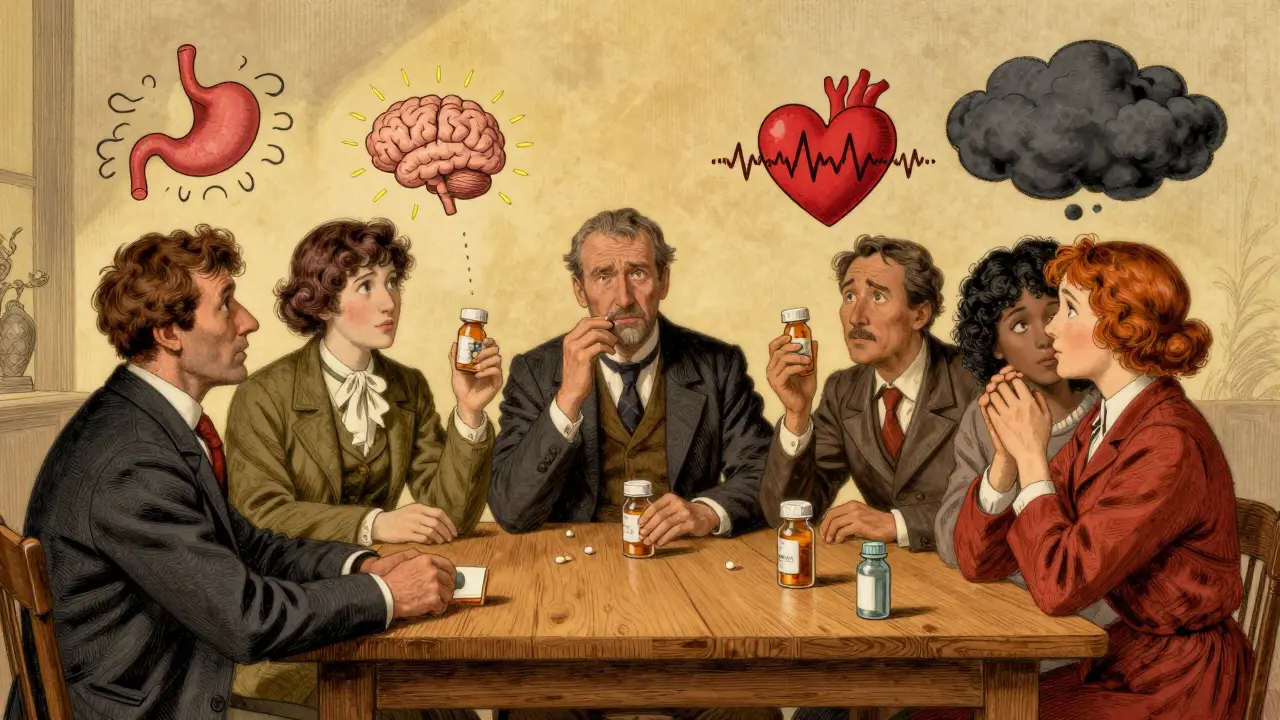
When you start taking an SSRI for depression or anxiety, you’re not just hoping for better mood-you’re also stepping into a world of possible side effects. Some are mild, some are annoying, and a few can be serious. The truth? Almost everyone experiences at least one side effect, and about half find them disruptive enough to think about quitting. This isn’t scare tactics-it’s reality. And if you’re on an SSRI or considering one, you need to know what’s really happening in your body.
What Are SSRIs, Really?
SSRIs, or selective serotonin reuptake inhibitors, are the most common antidepressants prescribed today. Drugs like sertraline (Zoloft), fluoxetine (Prozac), escitalopram (Lexapro), and paroxetine (Paxil) work by blocking the brain from reabsorbing serotonin. More serotonin in the gaps between nerve cells helps stabilize mood. They replaced older antidepressants because they’re safer in overdose and don’t cause as many heart or dry-mouth problems. But that doesn’t mean they’re side effect-free. In fact, they come with a long list of possible reactions, and many are underreported in clinical trials.Common Mild Side Effects (And Why They Happen)
Most people feel something when they first start an SSRI. It’s not you being weak-it’s your brain adjusting. The most frequent mild side effects show up in the first week or two:- Nausea (affects up to 50% of users)-this is because serotonin receptors in your gut are also activated. Taking the pill with food cuts this down by about 60%.
- Drowsiness or fatigue (53%)-your nervous system is recalibrating. Some people feel sleepy; others feel wired. Timing your dose in the morning helps avoid sleep issues.
- Headache (common with escitalopram)-often linked to serotonin spikes in the brain. Usually fades within 10 days.
- Dry mouth (19%)-less common than with older antidepressants, but still happens. Sipping water, chewing sugar-free gum, or using saliva substitutes helps.
- Insomnia (16%)-serotonin affects sleep cycles. If you’re lying awake, switching to a morning dose can make a big difference.
Here’s the good news: about 78% of these symptoms go away on their own within 3 to 6 weeks. Your body adapts. But if nausea, dizziness, or fatigue lasts longer than a month, it’s not normal adaptation-it’s a sign you might need a different medication or dose.
Sexual Dysfunction: The Most Common and Overlooked Problem
If you ask a doctor about SSRI side effects, they might mention nausea or drowsiness. But the one thing they rarely bring up-until you ask-is sexual dysfunction. It’s the most reported issue in real life, not in clinical trials.- Up to 56% of people on SSRIs report reduced libido.
- 40-70% experience delayed or absent orgasm.
- Men report erectile dysfunction or trouble maintaining an erection.
This isn’t temporary for everyone. A 2023 survey on Reddit’s r/antidepressants found that 42% of users still had sexual problems after six months on the drug. It’s not just psychological-it’s biological. SSRIs overstimulate certain serotonin receptors in the spinal cord, which blocks arousal signals. It’s not rare. It’s expected.
Some people manage it by lowering their dose. Others try medication holidays (skipping doses on weekends), though that’s risky and can trigger withdrawal. A 2021 study showed that adding sildenafil (Viagra) improved sexual function in 67% of men on SSRIs. Bupropion (Wellbutrin), which doesn’t affect serotonin the same way, is often added as a booster to counteract sexual side effects.
Weight Gain: It’s Not Just Your Diet
Many people blame themselves for weight gain while on SSRIs. But it’s not laziness or overeating-it’s the drug. Around 49% of users gain weight, often slowly, over months or years. Serotonin regulates appetite and metabolism. When it’s constantly elevated, your body starts storing more fat and burning less energy.Paroxetine and mirtazapine (not an SSRI but often grouped with them) cause the most weight gain. Sertraline and fluoxetine tend to cause less. A 2023 meta-analysis found that people who combined SSRI use with structured diet and exercise gained 3.2 kg less over six months than those who didn’t change their lifestyle. It’s not a cure, but it helps. Monitoring your weight monthly and tracking food intake early on can prevent big gains.
Serotonin Syndrome: When It Gets Dangerous
This is rare-but deadly. It happens when serotonin builds up too much, usually because you’re taking another drug that boosts serotonin too. Common culprits: migraine meds (triptans), certain painkillers (tramadol), St. John’s wort, or even some cough syrups (dextromethorphan).Symptoms start fast:
- Fast heartbeat
- Sweating, shivering
- Tremors or muscle twitching
- Confusion, agitation
- High fever (over 38.5°C)
If you feel this, stop the SSRI and go to the ER. Left untreated, serotonin syndrome can cause seizures, kidney failure, or death. It’s not something you wait out. Emergency treatment with serotonin blockers and cooling is life-saving.
Hyponatremia: A Silent Risk for Older Adults
SSRIs are the leading cause of low sodium in the blood among antidepressants. This is especially risky for people over 65, women, and those with heart or kidney issues. The drug causes your body to hold onto too much water, diluting sodium levels.Symptoms are sneaky:
- Mild confusion
- Nausea
- Headache
- Weakness or dizziness
- In severe cases, seizures or coma
Doctors should check sodium levels within the first 2-4 weeks of starting an SSRI, especially in older patients. If your sodium drops below 130 mmol/L, you need medical intervention-fluid restriction, IV saline, or stopping the drug.
Discontinuation Syndrome: Quitting Too Fast
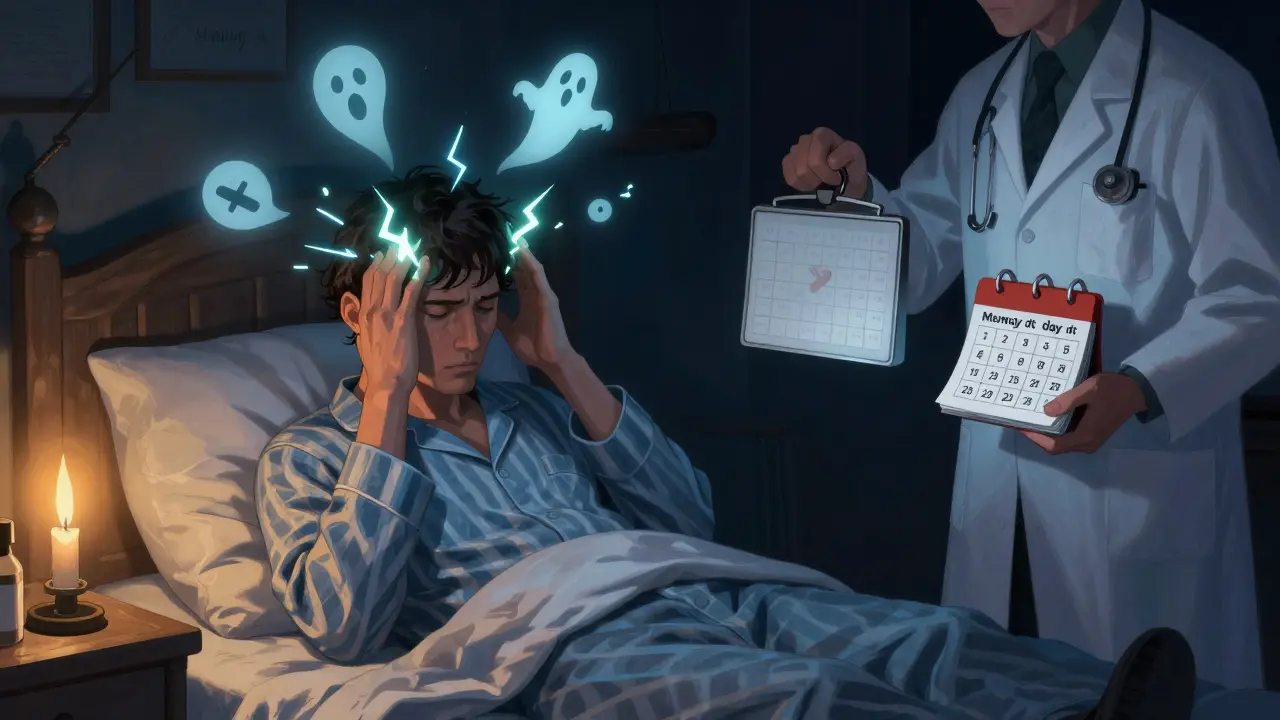
You can’t just stop an SSRI cold turkey. If you do, you might get what’s called discontinuation syndrome. It’s not withdrawal like with alcohol-it’s your brain scrambling to readjust without the drug.Symptoms usually start within 1-3 days after stopping:
- Dizziness, vertigo
- Flu-like symptoms (fatigue, achiness)
- Nausea, vomiting
- Electric shock sensations in the head (“brain zaps”)
- Anxiety, irritability
Paroxetine and fluvoxamine are the worst offenders because they leave your system fast. Fluoxetine lasts longer, so it’s easier to stop. The fix? Taper slowly. Cut your dose by 10-25% every 2-4 weeks. Some people need to go even slower. If symptoms hit, go back to your last dose and taper again more gently.
Other Rare but Serious Risks
Some side effects are rare but terrifying. They need immediate attention:- Extrapyramidal symptoms-uncontrolled muscle movements, tremors, stiffness. More common in older adults or those with Parkinson’s.
- Stevens-Johnson syndrome-a life-threatening skin reaction with blistering, peeling skin, and mouth sores. If you get a sudden rash with fever, stop the drug and get help.
- Increased diabetes risk-long-term SSRI use is linked to a 24% higher chance of developing insulin resistance, according to an FDA safety update in 2023. If you’re on an SSRI for years, get your blood sugar checked annually.

How to Manage Side Effects Like a Pro
You don’t have to suffer. Here’s what works based on real patient data:- Start low, go slow. A lower initial dose reduces nausea and dizziness. Many doctors now start with half the usual dose.
- Take with food. Reduces GI upset by 60-70%.
- Time your dose. Morning for drowsiness or insomnia. Evening if it makes you sleepy.
- Track symptoms. Use a journal or app. Note when side effects start, peak, and fade.
- Ask about alternatives. If sexual dysfunction or weight gain is unbearable, bupropion, vortioxetine, or even non-drug therapies like CBT might be better long-term.
- Don’t quit cold turkey. Always taper with your doctor’s help.
Why Some SSRIs Are Easier to Tolerate Than Others
Not all SSRIs are the same. Here’s how they stack up in real-world tolerability:| SSRI | Best For | Worst Side Effects | Discontinuation Risk |
|---|---|---|---|
| Citalopram | General use, low side effect burden | QT prolongation at high doses | Low |
| Fluoxetine | Long-term use, once-weekly dosing possible | Insomnia, weight gain | Very low |
| Sertraline | Anxiety + depression, good balance | Diarrhea, sexual dysfunction | Low |
| Escitalopram | Fast-acting for anxiety | Headache, dizziness, memory issues | Low |
| Paroxetine | Severe anxiety | Weight gain, sexual dysfunction, drowsiness | High |
| Fluvoxamine | OCD | Nausea, GI upset, drug interactions | Very high |
Most psychiatrists now pick sertraline or escitalopram as first-line because they offer the best balance of effectiveness and tolerability. Paroxetine? It’s fading out of favor because of its side effect burden.
What’s New in 2026?
Research is moving fast. In 2023, the FDA updated SSRI labels to warn about long-term metabolic risks. New genetic tests can now predict who’s more likely to get sexual side effects or weight gain. A drug called Lu AF35700, currently in Phase III trials, is showing 37% less sexual dysfunction than traditional SSRIs. Time-release versions are being tested to reduce nausea and headaches by smoothing out serotonin spikes.And mental health groups are pushing for better communication. NAMI’s 2023 campaign led to a 22% increase in patients reporting side effects to their doctors. That’s progress. Because the only way to manage side effects is to talk about them.
When to Stick With It-and When to Switch
You should give an SSRI at least 4-6 weeks before deciding if it’s working. But if side effects are unbearable by week 2, don’t wait. Talk to your doctor. You might need:- A lower dose
- A different SSRI
- An add-on medication (like bupropion)
- A non-SSRI antidepressant
Discontinuing because of side effects isn’t failure. It’s smart. About 31% of people quit their first SSRI within 3 months-not because the drug didn’t work, but because the side effects were too much. That’s normal. The goal isn’t to suffer through it. The goal is to find what works for you.
Do SSRI side effects go away on their own?
Yes, most mild side effects like nausea, headache, and dizziness fade within 2 to 6 weeks as your body adjusts. But sexual dysfunction, weight gain, and sleep issues often persist. If they don’t improve after 6 weeks, talk to your doctor-you may need a dose change or a different medication.
Which SSRI has the least side effects?
Citalopram and escitalopram are generally the best-tolerated SSRIs overall. Sertraline is also well-tolerated and widely used. Paroxetine and fluvoxamine tend to cause more side effects, especially weight gain, drowsiness, and sexual problems. Fluoxetine has a long half-life, so it’s easier to stop, but it can cause insomnia and weight gain over time.
Can SSRIs cause permanent side effects?
For most people, side effects reverse after stopping the drug. But a small subset report persistent sexual dysfunction, emotional blunting, or weight gain that lasts months or years after discontinuation. This is rare but real. Research is ongoing. If you experience lingering symptoms after stopping, see a specialist.
Is weight gain on SSRIs inevitable?
No. About half of users gain weight, but not everyone. Lifestyle changes-like regular exercise and a balanced diet-can reduce weight gain by over 3 kg over six months. Some SSRIs, like fluoxetine and sertraline, are less likely to cause weight gain than others like paroxetine. Monitoring early helps prevent big gains.
Can I drink alcohol while on SSRIs?
It’s not recommended. Alcohol can worsen drowsiness, dizziness, and depression symptoms. It also increases the risk of liver stress and serotonin syndrome if combined with other medications. If you drink, limit it to occasional small amounts and monitor how you feel. Many people find they naturally drink less once they’re on SSRIs.
Why do some people feel worse before they feel better on SSRIs?
In the first 1-2 weeks, SSRIs can increase anxiety or worsen mood before improving it. This happens because serotonin receptors are still adjusting. It’s not the drug making you sicker-it’s your brain rewiring. Most people improve after 2-4 weeks. If you feel suicidal or extremely agitated, contact your doctor immediately. Don’t wait.
If you’re on an SSRI and struggling with side effects, you’re not alone. And you don’t have to suffer silently. The best treatment isn’t the one with the fewest side effects-it’s the one you can stick with. That means honest conversations, smart adjustments, and knowing when to switch. Your mental health matters. So do your body’s signals. Listen to both.
Roshan Joy
January 11, 2026 AT 20:31Been on sertraline for 18 months. Nausea faded after 2 weeks, but the sexual side effects? Still there. 😔 I started taking vitamin D and doing daily walks-helped a bit, but not much. My partner gets it, but it’s still tough. I’m not quitting though. My anxiety’s way better. Worth the trade-off? Sometimes I doubt it.
Adewumi Gbotemi
January 13, 2026 AT 08:51Man, this post real. I try prozac, got bad sleep and dry mouth. I just drink more water and sleep early. No drama. My brain feel better, so I stay with it.
Michael Patterson
January 15, 2026 AT 03:36Okay so like, I read this whole thing and honestly? Most of these side effects are just people being weak. I mean, sure, serotonin syndrome is scary, but if you’re not mixing it with like 7 different supplements or drinking cough syrup like it’s soda, you’re fine. And weight gain? LOL. That’s just not eating salad. I’ve been on Lexapro for 5 years and I’m lean as a rail. Maybe stop blaming the drug and start blaming the donuts.
Madhav Malhotra
January 16, 2026 AT 06:21In India, we don’t talk about this enough. My cousin took paroxetine and stopped because of weight gain-family thought she was just lazy. No one knew SSRIs could do that. She switched to escitalopram and now she’s thriving. We need more open talk here. Also, chai helps with nausea. Try it.
Jennifer Littler
January 17, 2026 AT 04:50As a clinical psychologist, I see this daily. The disconnect between clinical trial data and real-world patient reports is staggering. Sexual dysfunction is underreported in trials due to selection bias and lack of standardized assessment tools. The 56% figure? Likely conservative. We need routine, non-judgmental screening protocols integrated into SSRI prescribing. Also-bupropion augmentation isn’t just a ‘hack,’ it’s evidence-based. Why isn’t this standard practice?
Jason Shriner
January 18, 2026 AT 07:16So… you’re telling me the thing that’s supposed to fix my brain is now fixing my libido… into a coma? Great. So now I’m emotionally stable but physically dead. Thanks, Big Pharma. Next you’ll tell me my tears are just serotonin spikes and my orgasms are just ‘neurochemical interference.’ I’m not depressed anymore. I’m just… numb. And honestly? Kinda bored.
Alfred Schmidt
January 18, 2026 AT 20:25THIS IS WHY YOU DON’T TAKE ANTIDEPRESSANTS WITHOUT A DOCTOR WHO ACTUALLY CARES!! I was on Paxil for 8 months and no one told me about the hyponatremia risk!! I almost died from seizures because my doctor was too busy scrolling TikTok to check my sodium levels!! I’m lucky I’m alive!! And now I have chronic fatigue and brain fog because they didn’t taper me right!! You people are playing Russian roulette with your neurochemistry and it’s NOT OKAY!!
Vincent Clarizio
January 19, 2026 AT 01:17Let’s be real: SSRIs are the pharmaceutical equivalent of duct tape on a leaking submarine. You’re not healing-you’re just patching the hole with synthetic serotonin until your body forgets how to make its own. The fact that we’ve normalized chemical dampening of the human experience as ‘treatment’ says more about our society than our mental health crisis. We’ve outsourced emotional resilience to a pill. And now we’re surprised when the pill makes you feel like a ghost in your own skin. Wake up.
Sam Davies
January 20, 2026 AT 22:27Oh, so now we’re doing a ‘SSRI ranking’ like it’s a Netflix show? ‘Best For: General use’-how quaint. I’m sure the 42% of people who still have sexual dysfunction after six months are just thrilled to hear they’re ‘average.’ And don’t even get me started on the ‘meta-analysis’ that says diet and exercise ‘helps.’ That’s like saying ‘drinking water helps with dehydration.’ Groundbreaking. I’ll be in my corner, quietly mourning my libido.
Christian Basel
January 22, 2026 AT 15:48TL;DR: SSRIs cause side effects. Some go away. Some don’t. Pick your poison. Sertraline’s the least worst. Done.
Alex Smith
January 22, 2026 AT 22:56Hey, I get it. You’re scared. I was too. But here’s the thing-you’re not broken because you need help. And you’re not weak because you feel weird at first. That nausea? It’s your gut screaming ‘WHAT IS HAPPENING?!’ But guess what? It learns. And so do you. If you’re reading this and you’re on an SSRI and you’re terrified? You’re not alone. I’ve been there. It gets better. Not perfect. But better. And if it doesn’t? You’ve got options. You’re not stuck.
Matthew Miller
January 24, 2026 AT 19:57Wow. This is the most balanced, non-sensationalized SSRI breakdown I’ve seen in years. Seriously. The part about sexual dysfunction being biological, not psychological? YES. And the table comparing SSRIs? Chef’s kiss. Someone finally wrote the post I wish I’d found when I started. Thank you. I’ve been silent for 2 years because I thought I was the only one. Now I’m not.