
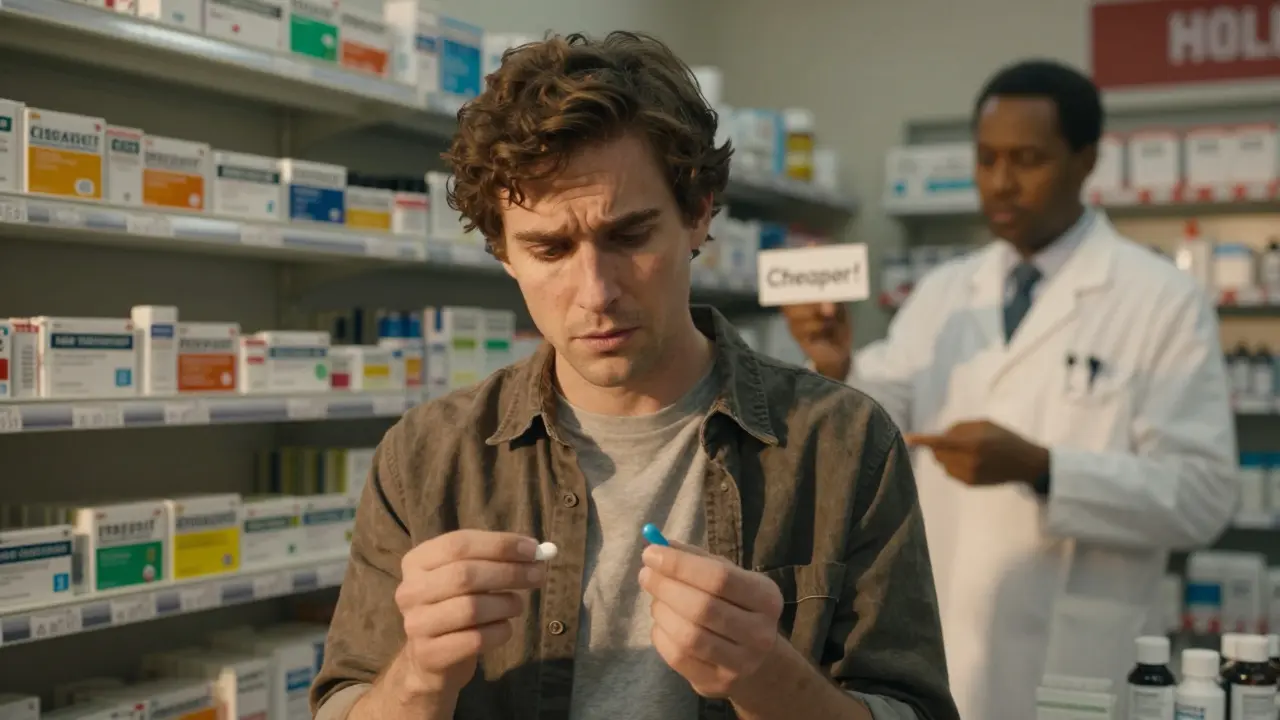
Every time you pick up your prescription, you might be getting a different pill - same active ingredient, but a different color, shape, or brand name on the bottle. This isn’t a mistake. It’s generic switching: when your pharmacy swaps one generic version of your medicine for another, often without telling you. It’s common, legal, and driven by cost. But for some people, it can be more than just a packaging change - it can affect how the drug works in your body.
Why Do Generic Switches Happen?
When a brand-name drug’s patent expires, dozens of companies can start making the same medicine. These are called generics. They’re not copies - they’re legally required to have the same active ingredient, strength, and dosage form. But they’re not identical. Each manufacturer uses different fillers, dyes, coatings, and manufacturing processes. And because pharmacies and insurers want the cheapest option, they’ll switch between them constantly. In the U.S., over 90% of prescriptions are filled with generics. That’s up from about 35% in 2015. The savings are huge: generics cost 80%-85% less than brand-name drugs. That’s why your insurance plan pushes you toward the lowest-priced version - even if it’s from a different company than last month. But here’s the catch: you might not know it’s happened. If your pill looks different, you might think it’s a new medicine. Or worse, you might not notice at all - until you start feeling off.When Switching Can Cause Problems
Most of the time, switching between generics is harmless. If you’re on a statin like atorvastatin or a blood pressure pill like lisinopril, you probably won’t notice a thing. But for certain drugs, even tiny changes in how the body absorbs the medicine can lead to serious issues. These are drugs with a narrow therapeutic index (NTI). That means the difference between a dose that works and a dose that’s dangerous is very small. Examples include:- Levothyroxine (for thyroid conditions)
- Warfarin (a blood thinner)
- Tacrolimus (used after organ transplants)
- Phenytoin and other antiepileptic drugs
What the Experts Say
It’s not just patients noticing problems. Doctors and pharmacists are worried too. Dr. Thomas J. Moore from Johns Hopkins put it bluntly in a 2017 FDA workshop: “The assumption that all generics are identical is not supported by evidence, especially for drugs with narrow therapeutic indexes.” The American College of Clinical Pharmacy issued a statement in 2021 saying that while generic substitution is fine for most drugs, “frequent switching between multiple generic manufacturers may compromise therapeutic outcomes for certain drug classes.” Medsafe (New Zealand’s drug regulator) updated its guidance in June 2024 to recommend avoiding switches between different brands of levothyroxine whenever possible. The FDA doesn’t require testing between two different generics - only between each generic and the original brand. That leaves a gap. No one is checking if Teva’s version works the same as Mylan’s.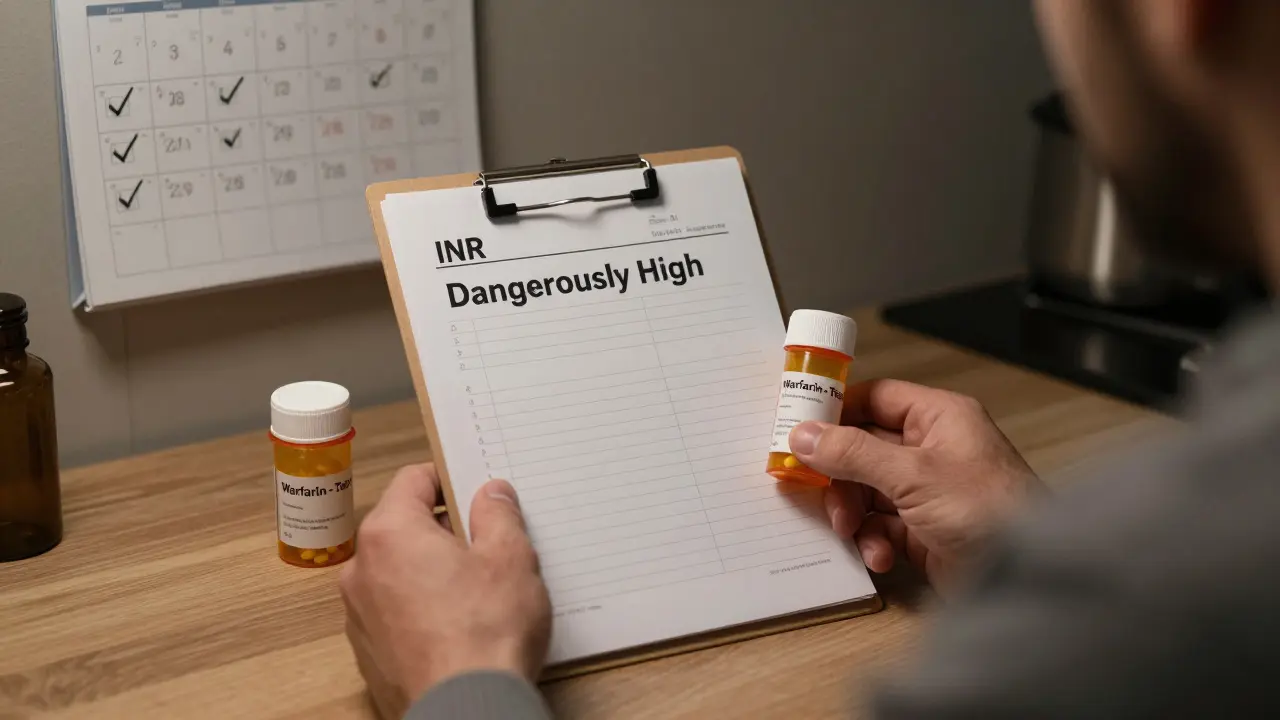
Who’s Most at Risk?
Not everyone is affected the same way. Some drug classes have much higher rates of problems:- Antiepileptics: 20.8% to 44.1% of patients switch back to brand or another generic because of loss of seizure control.
- Thyroid meds (levothyroxine): About 32.7% of patients report issues after a switch.
- Warfarin: Studies show mixed results - some show more bleeding or clots after a switch, others show no difference. But most experts still advise sticking with one version.
- Statins and blood pressure drugs: Only 7.7% to 9.1% of patients report problems. Switching here is usually safe.
How to Protect Yourself
You can’t always stop a switch - insurers and pharmacies control which generic gets dispensed. But you can take steps to stay safe:- Check the pill every time. If it looks different, ask the pharmacist: “Is this the same manufacturer as last time?” Write down the name on the bottle - Teva, Mylan, Sandoz, etc.
- Ask your doctor to write “Dispense as Written” or “Do Not Substitute” on your prescription for NTI drugs. This legally blocks automatic switches. Not all pharmacies honor this, but many do.
- Request a specific generic. If you’ve had no issues with Teva’s version of levothyroxine, ask your pharmacist to order that one. Some pharmacies will accommodate if you explain it’s for stability.
- Get blood tests checked after a switch. If you’re on warfarin, ask for an INR test 1-2 weeks after a new generic arrives. For levothyroxine, get a TSH test within 6-8 weeks. Don’t wait for symptoms.
- Keep a medication log. Note the drug name, dose, manufacturer, and any side effects. This helps your doctor spot patterns.

What’s Being Done?
There’s growing awareness. The FDA launched a pilot program in 2023 requiring generic manufacturers to report major formulation changes. In 2024, the Association for Accessible Medicines started working on standardized pill identification - so all generics for the same drug look more similar, reducing confusion. Some health systems have started “lock-in” programs for NTI drugs. Once you’re stabilized on a specific generic, you stay on it for the duration of treatment. No switching unless your doctor says so. But for now, the system still prioritizes cost over consistency. And that’s a problem for people who rely on precise dosing.Bottom Line: Know Your Medicine
Generic drugs are a win for the system - cheaper, widely available, and safe for most people. But for a subset of medications and patients, switching between manufacturers isn’t harmless. It’s a hidden risk. If you’re on a high-risk drug - thyroid, blood thinners, epilepsy meds, or transplant drugs - don’t assume all generics are the same. Pay attention. Ask questions. Track your symptoms. Demand consistency when it matters. For most people, switching won’t cause harm. But for the 1 in 5 who do notice a difference, it’s not a coincidence. It’s biology. And your health shouldn’t depend on which company made your pill this month.Can I ask my pharmacy to always give me the same generic manufacturer?
Yes, you can ask. Some pharmacies will honor the request, especially if you explain you’ve had issues with previous switches. For high-risk drugs like levothyroxine or warfarin, many pharmacists will try to keep you on the same version. You may need to pay a bit more if your insurance doesn’t cover that specific brand, but your health is worth the cost.
Why do generic pills look different every time?
Because each manufacturer uses different inactive ingredients - dyes, fillers, coatings - to make their version. These don’t affect how the medicine works, but they change the pill’s color, shape, or size. That’s why you might get a white oval one month and a blue capsule the next. It’s legal, but confusing. Always check the label for the manufacturer name.
Are generics as safe as brand-name drugs?
For most drugs, yes. The FDA requires generics to meet the same standards for quality, strength, and purity. But bioequivalence doesn’t mean identical. For drugs with a narrow therapeutic index - like thyroid meds or blood thinners - small differences in absorption can matter. Stick with one manufacturer if it’s working for you.
What should I do if I feel worse after switching generics?
Don’t ignore it. Contact your doctor right away. Keep a record of when you switched, what the pill looked like, and how you’re feeling. For high-risk drugs, ask for a blood test (like INR or TSH) to check if your levels changed. You may need a dose adjustment - or to switch back to your previous version.
Is there a list of drugs that shouldn’t be switched?
There’s no official public list, but experts agree on key ones: levothyroxine, warfarin, tacrolimus, cyclosporine, phenytoin, carbamazepine, and digoxin. If you’re on any of these, talk to your doctor about locking in a specific generic. Avoid switching unless absolutely necessary.
Sophia Daniels
December 25, 2025 AT 12:12Okay, let me get this straight - our entire healthcare system is playing Russian roulette with people’s lives just to save a few bucks? 🤯 I’m on levothyroxine and every time they switch my pill, I turn into a zombie for three weeks. My TSH? Gone rogue. My energy? Vaporized. And no one in the pharmacy even *looks* at me like I’m not just some vending machine button to press. This isn’t ‘generic’ - it’s negligence with a price tag.
Steven Destiny
December 25, 2025 AT 14:26Y’all are overreacting. I’ve switched generics 12 times for my blood pressure med and I’m fine. If your body can’t handle a different dye or filler, maybe you’re the problem, not the system. Stop whining and take the pill. We need cheap meds - not luxury pharmaceuticals for the rich.
Erwin Asilom
December 26, 2025 AT 01:12While the emotional responses are understandable, the clinical data is more nuanced. Bioequivalence thresholds of 80–125% are statistically validated across population-level pharmacokinetics. However, individual variability in CYP450 metabolism, gastric pH, and GI motility can indeed amplify inter-manufacturer differences for narrow-therapeutic-index agents. The recommendation to monitor serum levels post-switch is not merely prudent - it is evidence-based standard of care.
Brittany Fuhs
December 27, 2025 AT 09:30It’s funny how people think they’re entitled to consistency when the whole point of generics is to cut costs. If you can’t handle a pill changing color, maybe you shouldn’t be on medicine at all. I mean, really - you want the same blue capsule every month? Like it’s a luxury perfume? Grow up. We’re not in France.
Peter sullen
December 29, 2025 AT 00:04It is imperative to recognize that the current regulatory framework, while sufficient for broad-spectrum pharmacological agents, is demonstrably inadequate for drugs exhibiting narrow therapeutic indices (NTIs). The absence of inter-generic bioequivalence testing constitutes a critical gap in pharmacovigilance infrastructure. Furthermore, the absence of standardized pill morphology across manufacturers exacerbates patient confusion and non-adherence - two major contributors to therapeutic failure.
Becky Baker
December 30, 2025 AT 10:54My cousin’s husband had a seizure after they switched his generic epilepsy med. He didn’t even know it changed until his mom saw the pill was a different color. Now he’s stuck on the same one for life and pays $200 extra a month. So yeah - I’m not ‘overreacting.’ This shit is real. Stop telling people to just ‘deal with it.’
Rajni Jain
December 31, 2025 AT 06:46i feel you so much. i’m from india and here we get so many generics, sometimes same drug looks totally different. i had to switch my thyroid med 3 times and each time i felt so tired, like my body was crying. now i just ask my pharmacist to give me the same one. it’s not easy but i do it. you’re not crazy - your body knows.
Natasha Sandra
December 31, 2025 AT 22:28OMG YES. I’ve been on warfarin for 8 years. Every time they switch my generic, my INR goes nuts. I’m like, ‘NOOOO, not again!’ 🥲 I keep a little notebook with the pill colors and names. My pharmacist now remembers me. I even gave her a sticker. 💖 You’re not alone. We’re the quiet warriors of the pharmacy counter.
Sumler Luu
January 2, 2026 AT 09:04I appreciate the concern, but I’ve also seen patients who refuse to switch even when their insurance denies coverage - and then they end up skipping doses because they can’t afford the brand. There’s a balance here. Maybe the answer isn’t banning switches, but requiring manufacturers to label generics with consistent visual identifiers. A simple code on the pill could help.
sakshi nagpal
January 3, 2026 AT 21:10As someone who works in public health in India, I’ve seen how cost-driven substitution impacts chronic disease management. While generics are essential for accessibility, we must advocate for standardized pill design and mandatory manufacturer tracking - not just for patients, but for clinicians too. Education and system reform must go hand-in-hand.
Sandeep Jain
January 5, 2026 AT 17:47bro i used to take generic atorvastatin and switched once and got crazy muscle pain. i went back to the old one and boom, fine. now i just tell the pharmacist ‘same as last time’ and they nod. no big deal. but if you on levo or warfarin? yeah, be extra careful. dont trust the system.