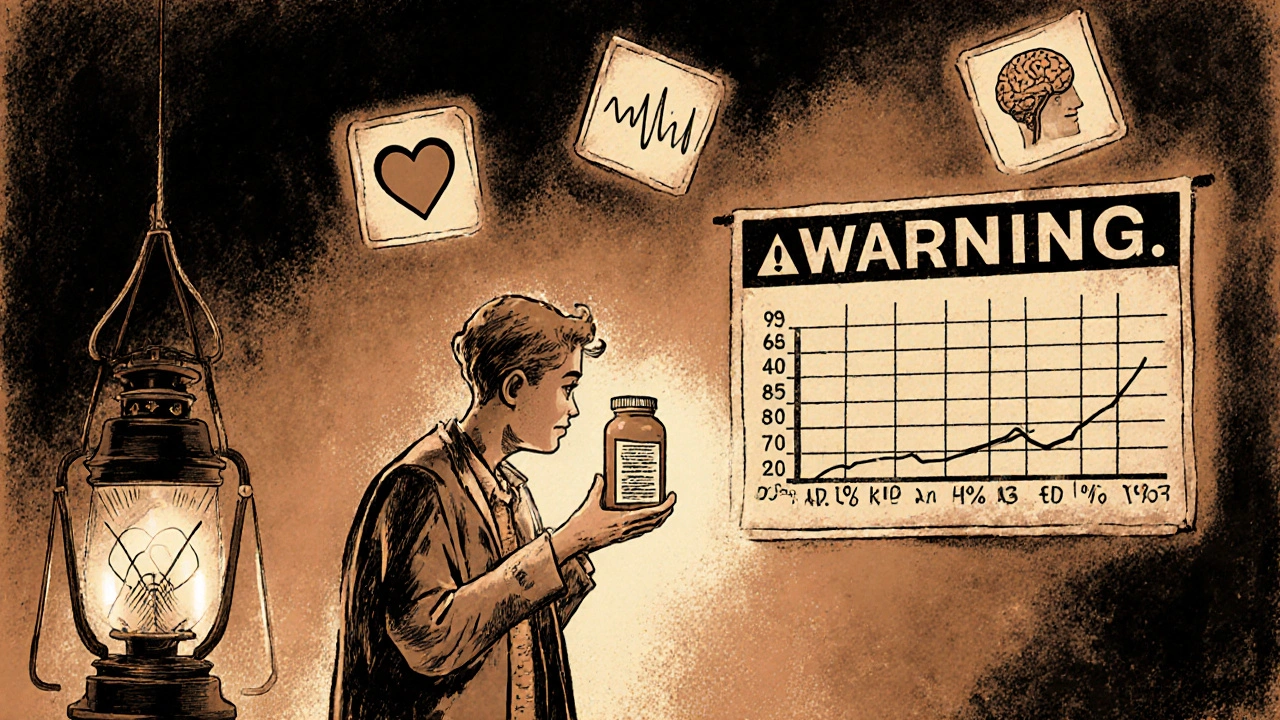
When the FDA alerts, official warnings issued by the U.S. Food and Drug Administration to warn the public or industry about unsafe drugs, misleading labels, or illegal manufacturing practices. Also known as FDA safety communications, these alerts are often the first sign that a medication you’re taking might carry risks you weren’t told about. They’re not just bureaucratic notices—they’re lifelines. Every year, hundreds of drugs go from being sold as safe to being flagged for liver damage, dangerous interactions, or fake ingredients. The FDA doesn’t wait for thousands of injuries to act. They use real-world data, patient reports, and lab tests to catch problems clinical trials missed.
These alerts don’t just target big pharma. They hit small labs making unapproved versions of popular drugs, online pharmacies selling expired pills, and even supplement makers hiding steroids in "natural" products. You’ll find alerts about FDA warning letters, formal notices sent to companies violating safety or labeling laws, often leading to recalls or shutdowns going out to manufacturers who skip quality controls. They also track pharmacovigilance, the science of detecting, assessing, and preventing adverse effects of medications after they’re on the market—the system that catches rare side effects like sudden liver failure from antibiotics or muscle damage from statins that only show up after millions of people take them. These aren’t theoretical risks. They’re real. A 2024 study found that over 60% of drug-induced liver injuries came from antibiotics most doctors still consider safe.
What do these alerts mean for you? If you’re on a statin, a blood thinner, or even a common painkiller, an FDA alert could be telling you to get a blood test, switch meds, or check your pharmacy’s source. Some alerts tell you to stop a drug right away. Others just say, "Watch for this symptom." The difference matters. You don’t need to panic when you see one—but you do need to act. That’s why the posts here cover exactly what you’ll see in these alerts: who’s at risk, what symptoms to watch for, and how to respond before something goes wrong. You’ll find real cases—like how hydroxyurea can crash your blood counts if you skip tests, or how cannabis messes with warfarin and seizure meds. No fluff. Just what you need to know to stay safe.
Below, you’ll find detailed guides on the most common FDA alerts from the past year—what they revealed, how they changed prescribing habits, and how to protect yourself. Whether you’re managing chronic pain, taking heart meds, or just trying to avoid a dangerous interaction, these posts give you the facts before the next alert drops.