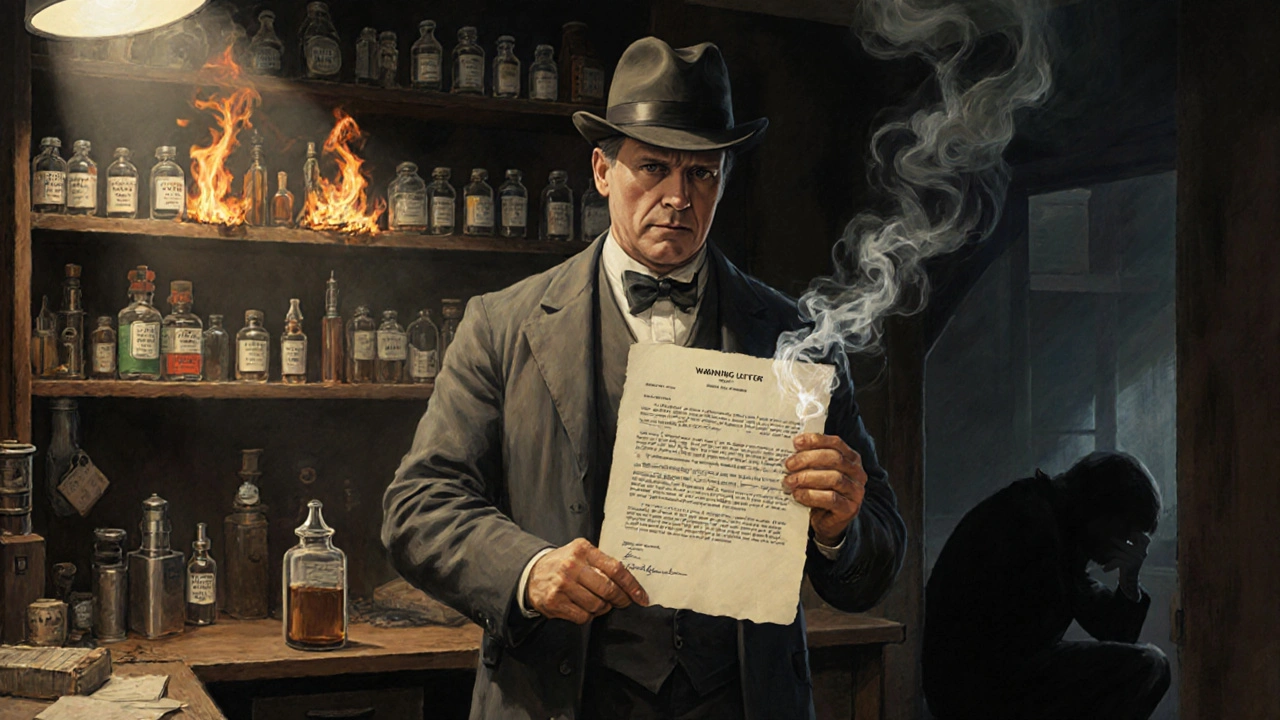
When you take a pill, you expect it to work as promised—and not hurt you. That’s where FDA enforcement, the U.S. Food and Drug Administration’s power to monitor, inspect, and act against unsafe or illegal drug practices. Also known as pharmaceutical regulation, it’s the quiet force behind why your medicine doesn’t contain hidden toxins, fake ingredients, or wrong dosages. This isn’t bureaucracy—it’s protection. Every time the FDA shuts down a factory, recalls a batch, or blocks an unapproved drug from entering the U.S., it’s stopping something dangerous before it reaches your medicine cabinet.
FDA enforcement doesn’t just target shady operators. It also shapes how generic drugs, medications that are chemically identical to brand-name versions but sold at lower prices. Also known as off-patent drugs, they get approved. The FDA checks that generics have the same active ingredients, work the same way, and are made in clean, compliant facilities. That’s why a generic metoprolol or tamoxifen from a trusted pharmacy works just like the brand—but costs less. But enforcement isn’t perfect. Some companies cut corners. That’s why you see recalls for contaminated losartan, mislabeled CBD oils, or unapproved versions of popular drugs like Seroquel or Effexor sold online. The FDA steps in when it finds these, but you need to know how to spot red flags too.
Drug safety doesn’t end at the pharmacy. pharmaceutical compliance, the rules manufacturers and distributors must follow to legally sell drugs in the U.S.. Also known as GMP standards, they cover everything from how pills are mixed to how expiration dates are labeled. If a company skips testing, mislabels a batch, or ships drugs from an unapproved site, the FDA can issue warning letters, seize inventory, or even file criminal charges. That’s why some online pharmacies selling cheap Viagra or Cialis get shut down—they bypass these rules entirely. And when you buy from them, you’re not just risking your money—you’re risking your health.
What you’ll find here are real examples of how FDA enforcement impacts everyday medication use. From hydroxyurea monitoring to the risks of unregulated cannabis products, these posts show how safety rules translate into your daily choices. You’ll see how insurance coverage for generics ties into FDA approval, how drug interactions get flagged, and why some treatments get pulled while others stay on shelves. This isn’t theory—it’s what keeps your pills safe, effective, and legal.