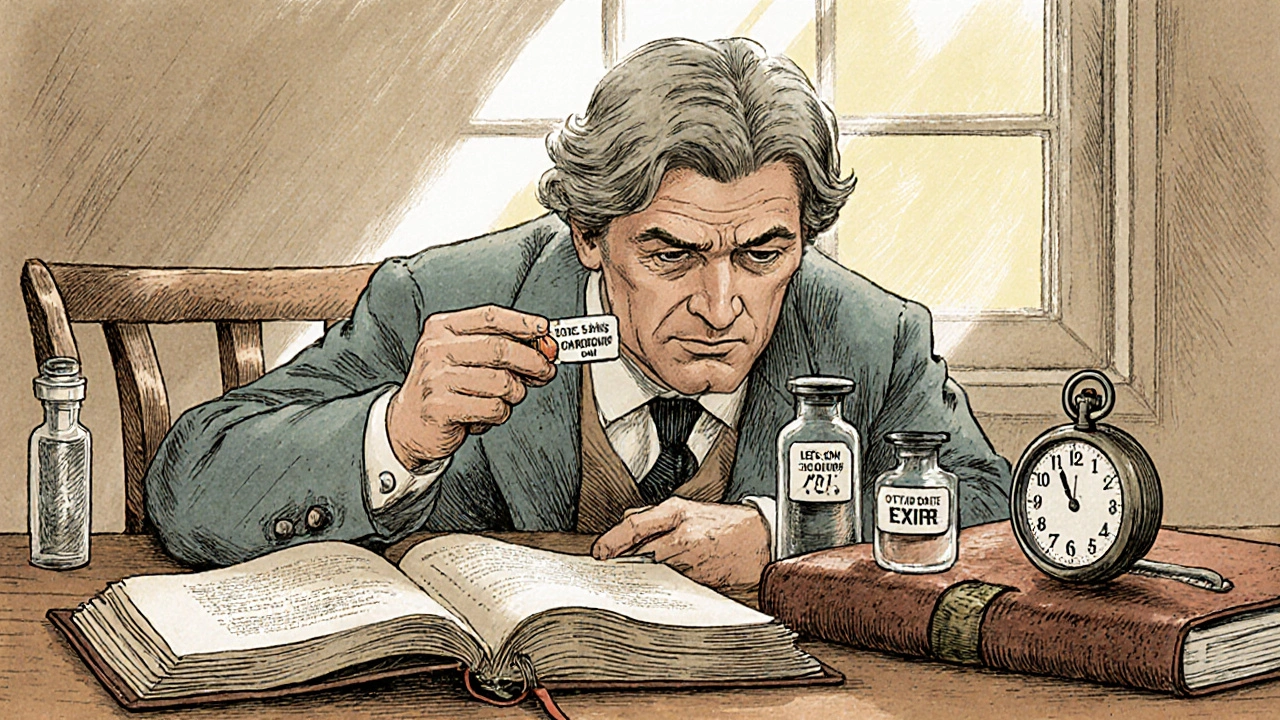
When you pick up a prescription, the lot expiration tracking, the system that links a specific batch of medication to its manufactured date and shelf life. Also known as batch expiration tracking, it’s not just paperwork—it’s your safety net. Every pill bottle, every vial, every box has a lot number and an expiration date tied to it. That’s not there to confuse you. It’s there because medicines don’t last forever. Even if they look fine, the active ingredients can break down, lose strength, or turn harmful over time. And if you’re taking something for a chronic condition—like high blood pressure, diabetes, or epilepsy—getting a weakened dose could be dangerous.
Lot expiration tracking connects the dots between the factory, the pharmacy, and your medicine cabinet. If a batch gets recalled because of contamination or manufacturing errors, regulators use that lot number to pull only the affected pills—not every drug of that type. Pharmacies rely on this system to rotate stock and throw out what’s gone bad. But here’s the problem: most people never check. They grab the bottle off the shelf, assume it’s fine, and take it. A 2023 FDA report found that nearly 40% of households kept expired medications, and over half of those didn’t know the risks. That’s not laziness—it’s lack of awareness. You don’t need to be a pharmacist to read a lot number. You just need to know where to look and what it means.
Look at the label. The expiration date is usually printed in big letters: EXP 05/2025. That means it’s good through the end of May 2025. The lot number might be a mix of letters and numbers, like L23A089. That’s how the manufacturer tracks exactly when and where that batch was made. If you ever get sick after taking a med, or if it doesn’t seem to work like it used to, that lot number could be the key to figuring out why. And if your pharmacy tells you they’re switching to a new batch, ask them to show you the expiration date. Don’t be shy. It’s your health.
Some meds are more sensitive than others. Insulin, liquid antibiotics, and eye drops degrade faster once opened. Even if the bottle says 2026, once you’ve opened it, the clock starts ticking. Most eye drops last 28 days after opening. Antibiotics? Often just 14. Keep track. Write it on the bottle with a Sharpie. Set a phone reminder. That’s lot expiration tracking in action—simple, personal, life-saving.
You’ll find real stories here about people who thought their meds were fine, only to learn the hard way. There are guides on how to read expiration codes from different manufacturers, what to do if your pharmacy gives you a near-expired batch, and how to safely dispose of old pills. We’ve got comparisons on which drugs lose potency fastest, how storage (heat, light, moisture) affects shelf life, and even how to tell if a pill has gone bad just by looking at it. This isn’t about fear. It’s about control. You’re not just taking medicine—you’re managing your health. And that starts with knowing exactly what’s in your hand.