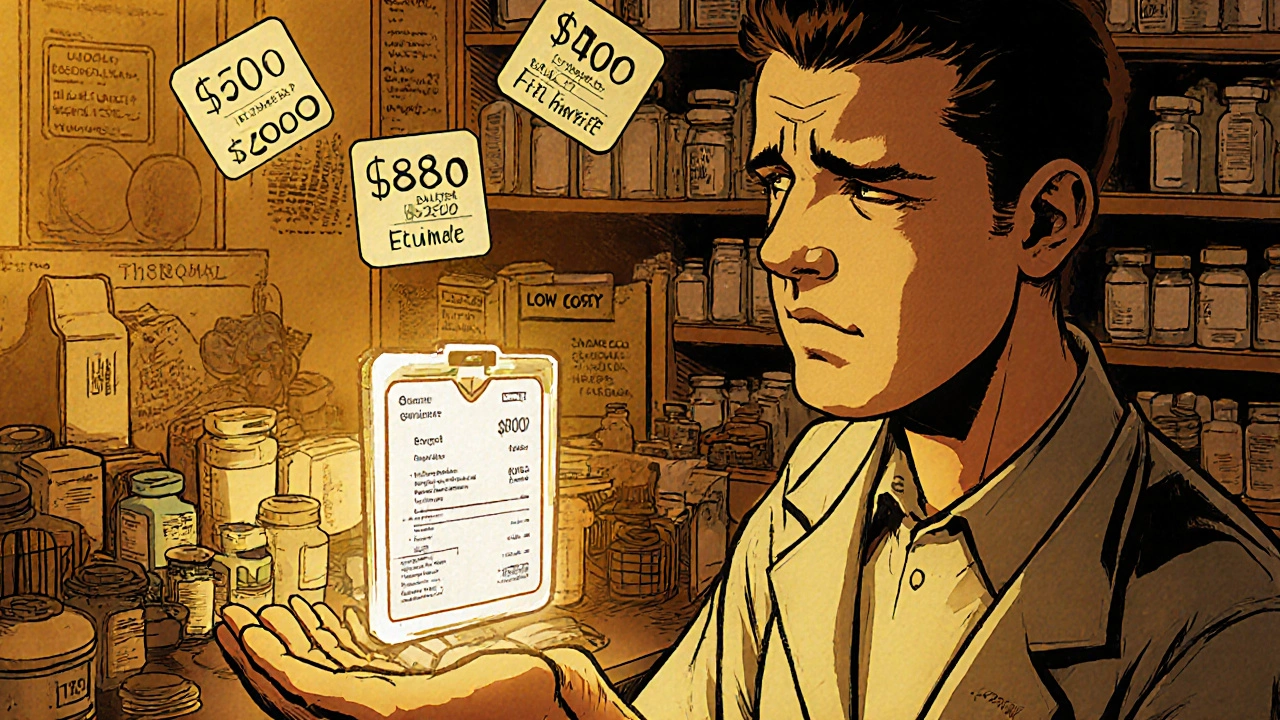
When it comes to medication savings, the practice of reducing out-of-pocket costs for prescription drugs while maintaining safe and effective treatment. Also known as drug cost reduction, it’s not about skipping pills—it’s about making smarter choices that fit your budget and health needs. Millions of people pay more than they should for prescriptions because they don’t know where to look. The truth? You don’t need to choose between affordability and effectiveness.
Generic drugs, therapeutically identical versions of brand-name medications approved by the FDA. Also known as brand equivalents, they can cost 80% less and are used by over 90% of prescriptions in the U.S. Yet many still pay extra out of habit or confusion. Insurance formularies often push generics first—but not always. Some plans charge higher copays for generics if they’re not on the preferred list. Knowing how your plan works can save you hundreds a year. And if your doctor prescribes a brand-name drug, ask if a generic is available. Most of the time, it is.
Then there’s free medication samples, legally provided by manufacturers to help patients start treatment without upfront cost. Also known as pharmaceutical samples, these aren’t just for the uninsured—many insured patients miss out because they don’t ask. Doctors keep them on hand for new prescriptions, especially for expensive meds like statins or antidepressants. But you won’t get them unless you mention it. And if you do get them, track expiration dates. A sample that expires in three months is useless if you’re on long-term therapy. This isn’t shady—it’s standard practice, and it’s legal.
Don’t overlook insurance formulary, the list of drugs your plan covers and at what cost tier. Also known as drug list, it determines whether you pay $5, $50, or $500 for the same pill. Formularies change every year. Just because your drug was covered last year doesn’t mean it is this year. Check your plan’s website or call customer service before filling a prescription. Sometimes switching to a different generic version—even one with the same active ingredient—can drop your cost dramatically.
And if you’re on long-term meds, look at alternatives. Some drugs have cheaper, equally effective cousins. Like how medication savings isn’t just about generics—it’s about knowing what else works. For example, if you’re on a pricey antidepressant, there’s likely a generic SSRI that does the same job. If you’re managing high blood pressure, there are multiple classes of drugs with similar results but wildly different prices. You don’t need to guess. The right info is out there.
Some people think saving on meds means risking their health. That’s a myth. The science doesn’t change when the price tag does. What changes is your ability to stick with the treatment. A pill you can afford is a pill you’ll take. And that’s the real win.
Below, you’ll find real-world guides on how to get cheaper prescriptions, avoid overpaying for brand names, use samples safely, compare drug alternatives, and navigate insurance rules—all without compromising safety or results. These aren’t theory pieces. They’re written by people who’ve been there, checked the receipts, and found the loopholes that actually work.