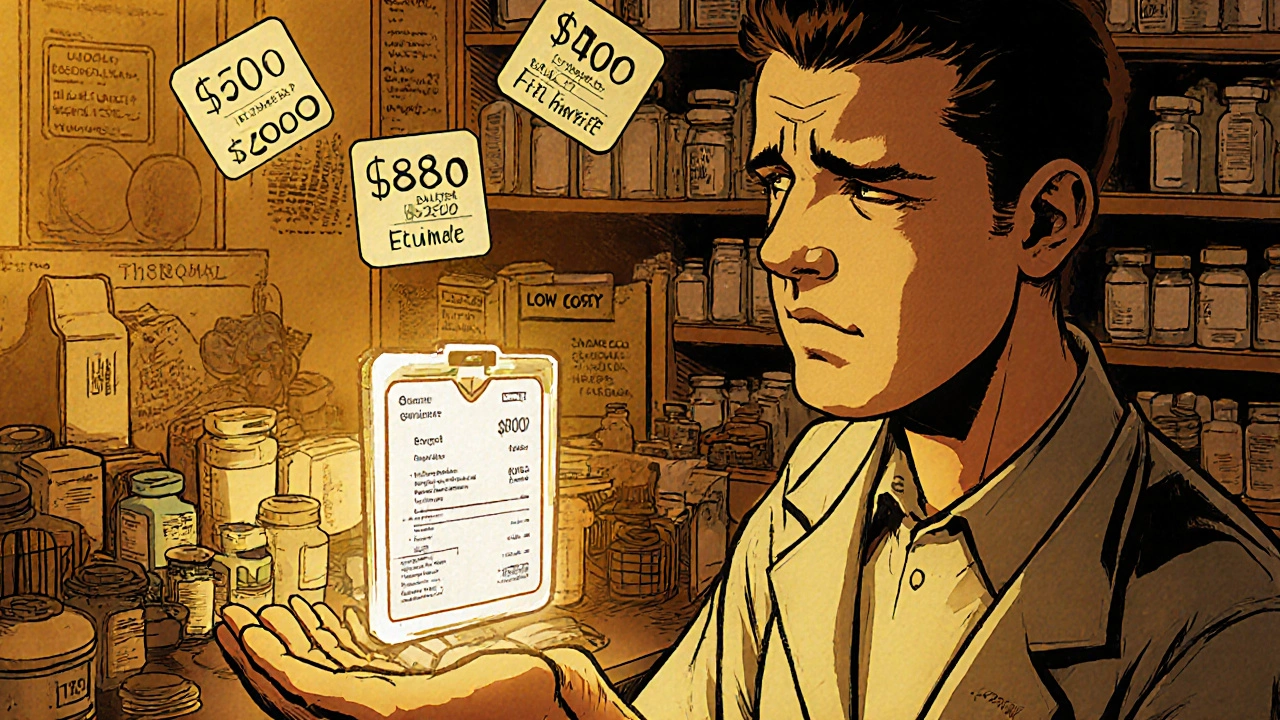
When you walk into a pharmacy, you expect to know how much your medicine will cost. But too often, the final price is a surprise. Price transparency tools, digital resources that show real-time drug prices across pharmacies. Also known as drug cost comparators, these tools let you see exactly what you’ll pay out-of-pocket before you even fill the prescription. They’re not just for people without insurance—they help everyone, even those with coverage, because copays and deductibles can change based on where you buy.
These tools pull data from pharmacies, insurers, and government databases to give you live pricing. You can compare generic drugs, lower-cost versions of brand-name medications with the same active ingredients side-by-side with brand-name options. Some even show if a mail-order pharmacy saves you money over your local drugstore. You might find that a 30-day supply of metoprolol costs $4 at Walmart but $28 at your usual pharmacy. That’s not a glitch—it’s how the system works, and price transparency tools make it visible.
They also help you understand how your insurance formulary, the list of drugs your plan covers and at what cost affects what you pay. Just because a drug is FDA-approved doesn’t mean your insurer will cover it at a low rate. Some plans make you pay more for certain brands, even if the generic is just as effective. Price transparency tools show you which options are truly affordable under your plan, not just which ones are listed as "covered."
You’ll also see how these tools connect to real issues in the posts below: why hydroxyurea requires blood tests to avoid costly complications, how statin intolerance leads people to seek cheaper alternatives, and why buying generic Effexor or Seroquel online can be safe—if you know where to look. These aren’t theoretical debates. People are using price transparency tools every day to avoid overpaying for medications they depend on.
There’s no magic trick to lowering drug costs. But knowing where to look makes a huge difference. The posts here don’t just tell you what’s out there—they show you how real people are using price transparency tools to cut their medication bills, avoid surprise charges, and make smarter choices without sacrificing safety or effectiveness.