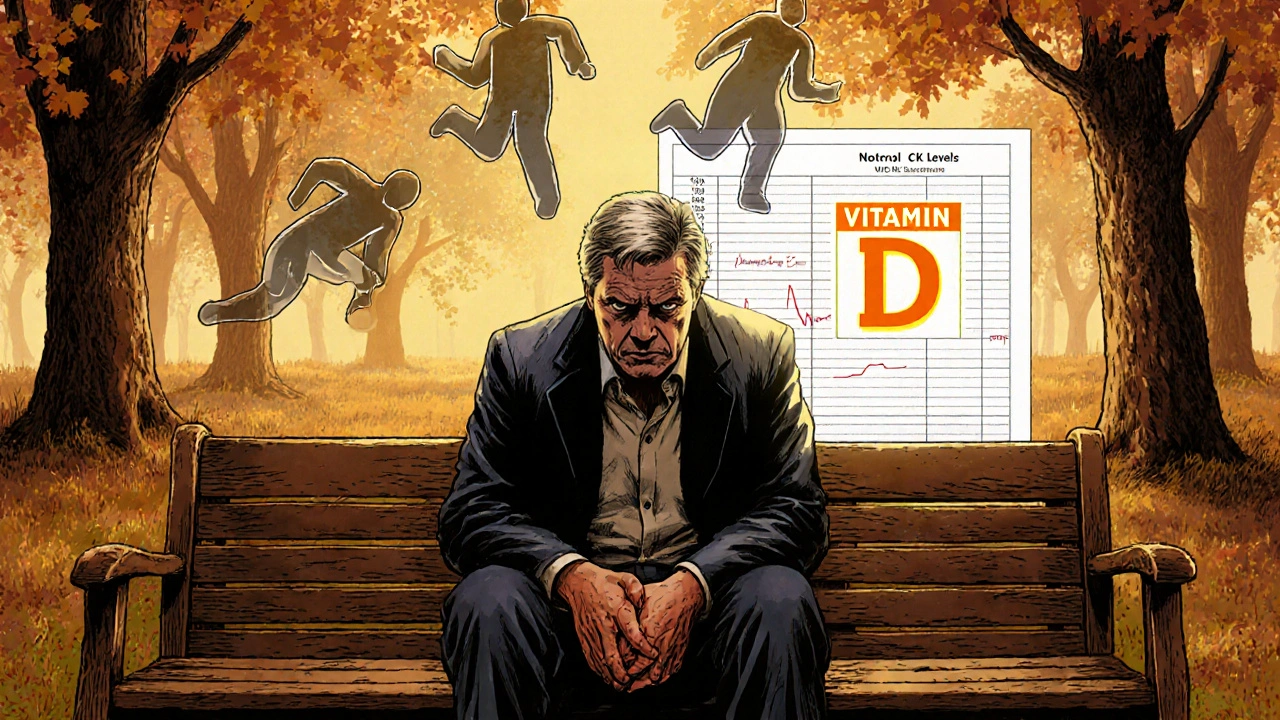
When you take a statin, a class of drugs used to lower LDL cholesterol and reduce heart attack risk. Also known as HMG-CoA reductase inhibitors, they’re among the most prescribed medications in the world. But for all their benefits, many people stop taking them because of side effects—some mild, some scary. You’re not alone if you’ve felt muscle soreness, fatigue, or worry about liver damage after starting a statin. The truth? Not everyone gets side effects, and most are manageable—if you know what to look for.
The most common issue is muscle pain, a dull ache or weakness that often shows up in the thighs or shoulders. This isn’t just "feeling tired"—it’s persistent, doesn’t go away with rest, and can be a sign of something called statin-associated muscle symptoms (SAMS). About 10% of users report this, but only a small fraction have true muscle damage. Then there’s liver enzyme changes, a rise in liver markers seen on blood tests. This rarely causes symptoms and usually goes back to normal without stopping the drug. Other less common effects include digestive issues, memory fog (rarely proven), and a small increased risk of type 2 diabetes in people already at risk. What most people don’t realize is that these side effects often depend on your age, other meds, genetics, and even how much you exercise. A 70-year-old woman on multiple drugs might react differently than a 45-year-old man who lifts weights.
Here’s the thing: stopping statins because of fear can be more dangerous than the side effects. Heart attacks don’t wait for you to feel better. But you also don’t have to suffer in silence. Many people switch to a different statin—like going from atorvastatin to rosuvastatin—and feel better. Others lower their dose, take it every other day, or add coenzyme Q10. And if none of that works, there are statin alternatives, like ezetimibe, PCSK9 inhibitors, or bile acid sequestrants. These aren’t magic bullets, but they work for people who can’t tolerate statins. The goal isn’t to avoid medication—it’s to find the right one for your body.
Below, you’ll find real comparisons of statins and their alternatives, stories from people who managed side effects, and clear guides on what blood tests to ask for, when to push back on your doctor, and how to tell if your muscle pain is just normal soreness or something worse. No fluff. Just what you need to make a smart choice—without panic or guesswork.