Farmapram Pharmaceuticals Information Hub - farmapram.com - Page 3
Chronic GERD Complications: Barrett’s Esophagus and Screening
Feb, 26 2026Health and MedicineBob Bond
Chronic GERD can lead to Barrett’s esophagus-a precancerous condition affecting 5.6% of Americans. Learn who’s at risk, how it’s diagnosed, screening guidelines, and what treatments actually work to prevent esophageal cancer.
Pharmacokinetics and Side Effects: How Your Body Processes Drugs
Feb, 21 2026MedicationsBob Bond
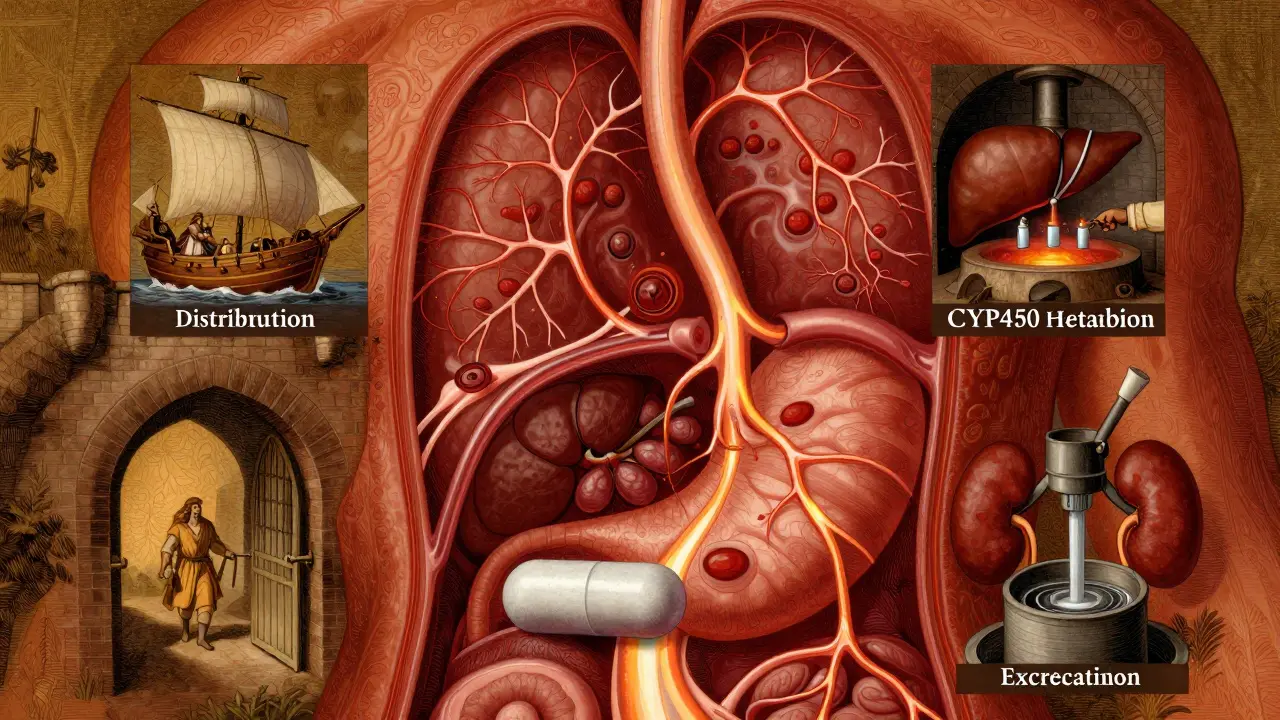
Learn how your body absorbs, metabolizes, and clears drugs - and why that affects side effects. From genetics to kidney function, discover why two people on the same drug can have totally different experiences.
Prior Authorization for NTI Drugs: When Insurers Require Brand-Name Medications
Feb, 19 2026MedicationsBob Bond
Prior authorization for narrow therapeutic index (NTI) drugs like levothyroxine and phenytoin is a critical issue - insurers often require brand-name versions due to safety risks, even when generics exist. Learn why these drugs are different and how to fight for access.
Causality Assessment for Adverse Drug Reactions: The Naranjo Scale Explained
Feb, 15 2026MedicationsBob Bond
The Naranjo Scale is a standardized 10-question tool used worldwide to determine if a side effect was caused by a drug. It helps clinicians, pharmacists, and regulators make evidence-based decisions about drug safety.
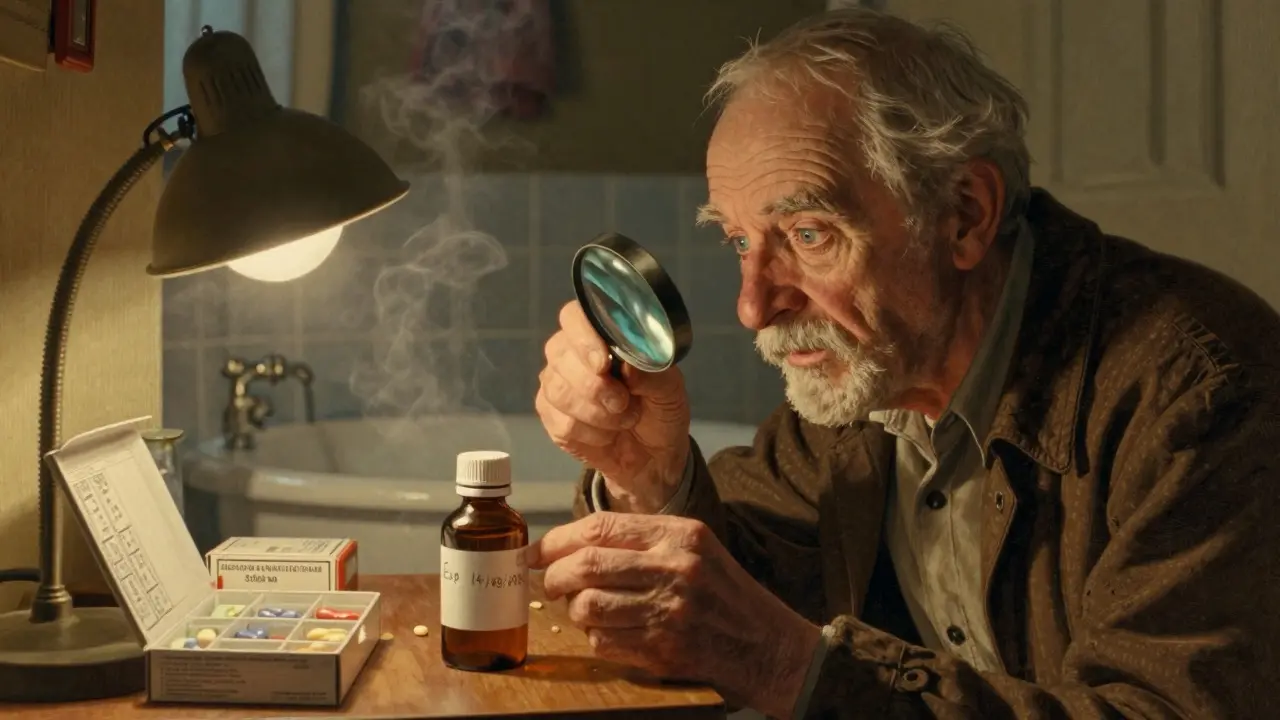
How to Read Expiration Dates on Medication Packaging Correctly
Feb, 14 2026MedicationsBob Bond
Learn how to read and understand medication expiration dates to avoid ineffective or risky drugs. Know which medicines are safe past their date - and which ones could harm you.
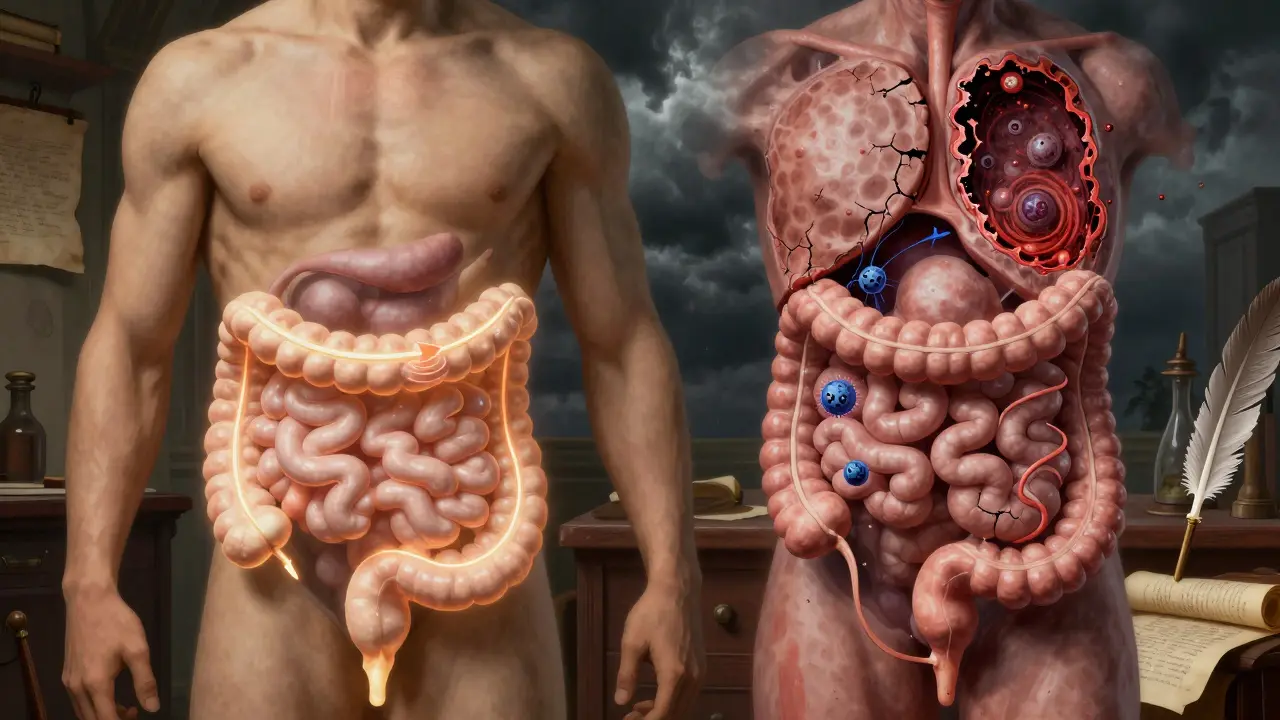
IBS vs. IBD: What’s the Real Difference Between Functional and Inflammatory Bowel Disorders
Feb, 12 2026Health and WellnessBob Bond
IBS and IBD look similar but are completely different. IBS is a functional disorder with no damage; IBD is an inflammatory disease that destroys gut tissue. Knowing which one you have changes everything-from treatment to long-term risk.
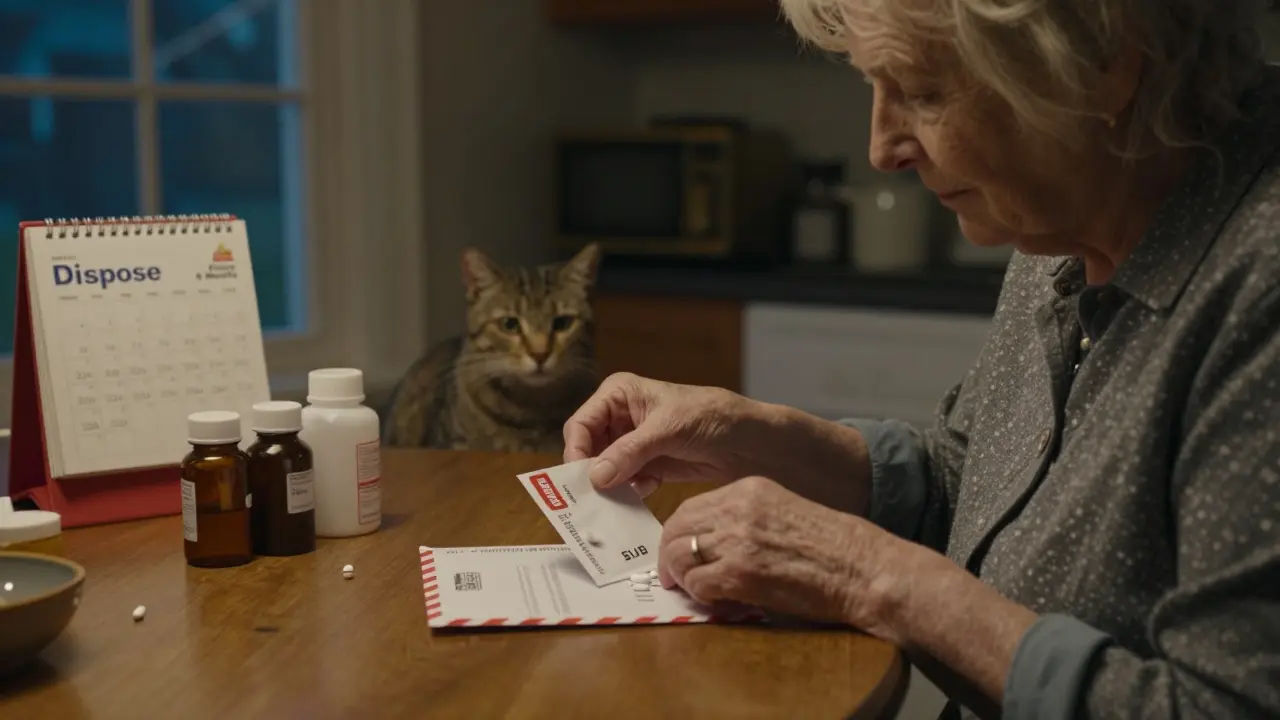
Prepaid Drug Mail-Back Envelopes for Medication Disposal: How They Work and Why They Matter
Feb, 8 2026MedicationsBob Bond
Prepaid drug mail-back envelopes offer a safe, legal, and eco-friendly way to dispose of expired or unused medications. Learn how they work, what you can put in them, and why they're better than flushing or throwing meds away.
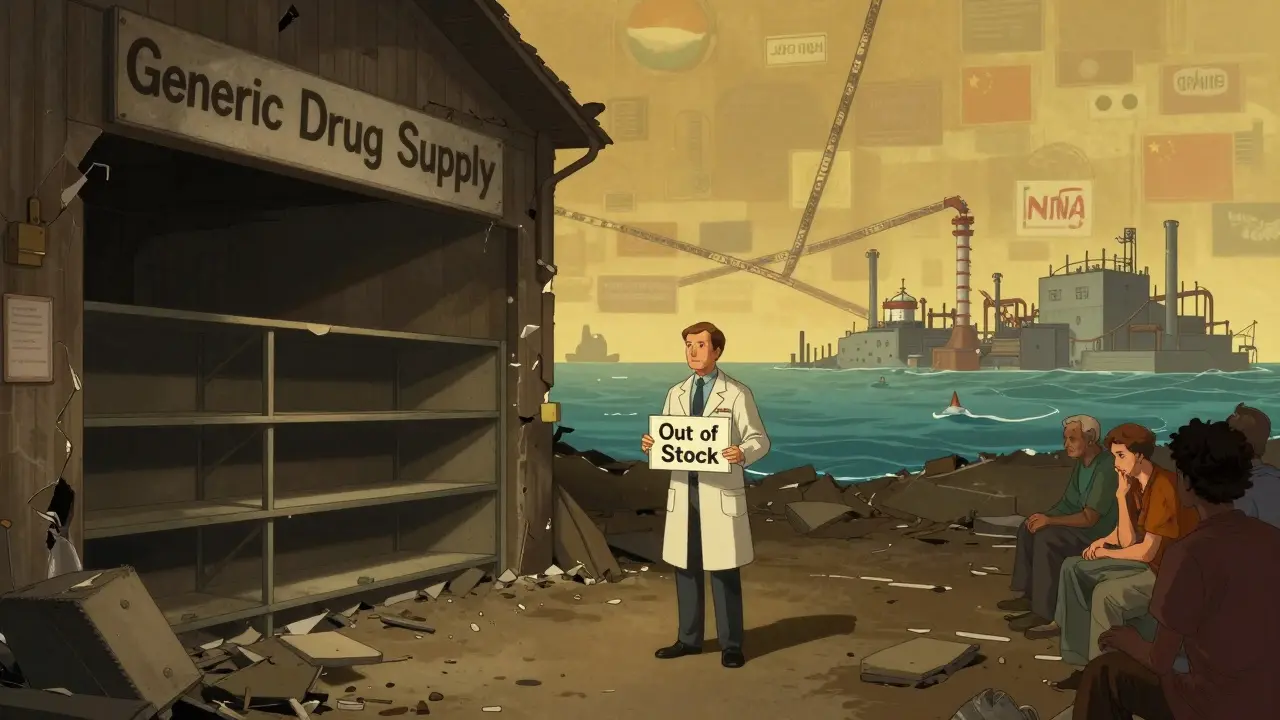
Generic Manufacturing Constraints: Why Some Generics Are Scarce
Feb, 7 2026MedicationsBob Bond
Generic drugs make up 90% of U.S. prescriptions but only 20% of spending. Yet they’re the most likely to disappear. This is why supply chains are fragile, prices are too low, and shortages are getting worse.
Gallstones: Understanding Biliary Colic, Cholecystitis, and When Surgery Is Needed
Feb, 7 2026Health and MedicineBob Bond
Gallstones cause painful biliary colic and can lead to cholecystitis. Learn when surgery is the best option, how laparoscopic cholecystectomy works, and what alternatives actually do - and don't - work.
How to Talk to Your Doctor About Staying on Brand Medication: Patient's Guide
Feb, 5 2026MedicationsBob Bond
Learn how to effectively communicate with your doctor about staying on brand medication, including medical reasons, preparation tips, communication strategies, and insurance navigation steps. Practical advice for patients facing generic substitution pressure.