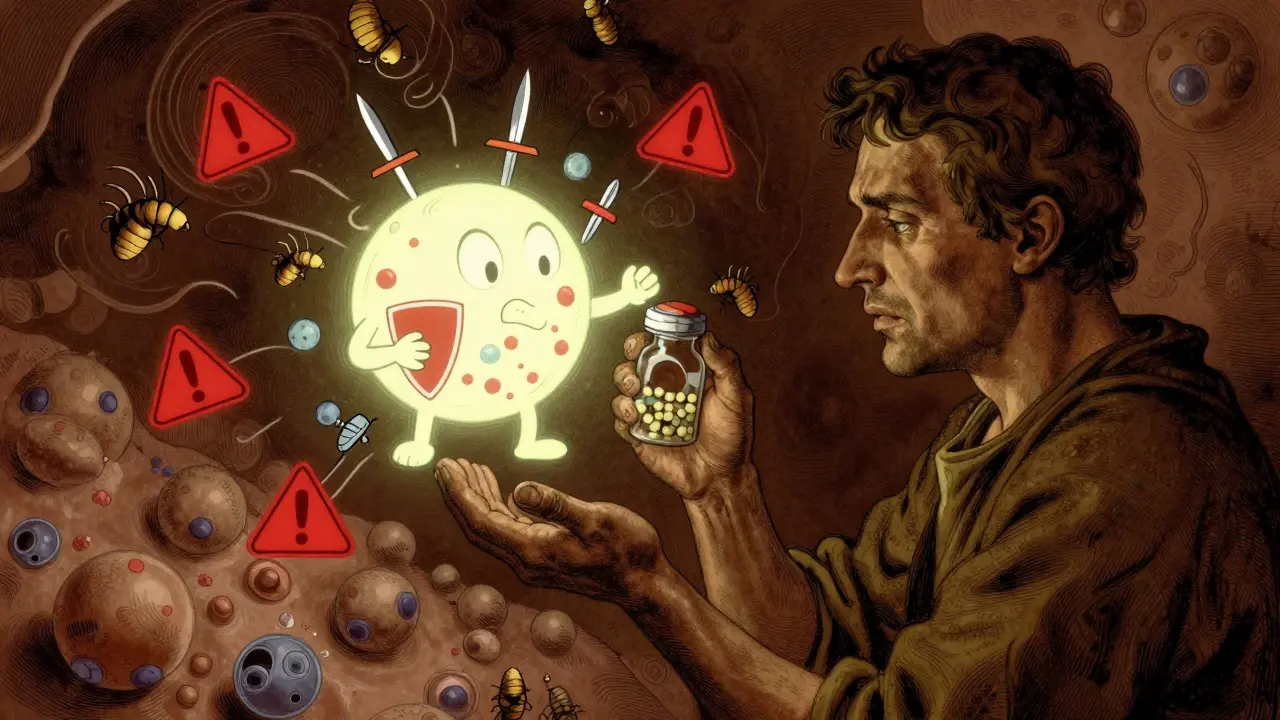
When you take a medication, you expect it to help—not hurt. But adverse drug reactions, unintended and harmful responses to medications at normal doses. Also known as drug side effects, they can range from a rash or nausea to liver failure or sudden heart problems. These aren’t rare mistakes—they happen to millions every year, often because people don’t know what to watch for or assume "if it’s prescribed, it’s safe." The truth? Even FDA-approved drugs carry risks, and many reactions are preventable if you know the signs.
Drug interactions, when two or more medications affect each other’s behavior in your body. Also known as medication clashes, they’re one of the top causes of serious adverse drug reactions. Think of it like mixing chemicals: a common painkiller and a blood thinner can turn into a bleeding risk. Cannabis and seizure meds? That combo can lower your seizure threshold. Even something as simple as grapefruit juice can make your cholesterol drug dangerously strong. And it’s not just prescriptions—supplements, OTC meds, and herbal products can trigger reactions too. That’s why you need to track every pill, powder, and drop you take, not just the ones your doctor wrote down.
Medication safety, the practice of using drugs in ways that minimize harm and maximize benefit. It’s not just about taking the right dose. It’s about knowing your body’s signals. Muscle pain after starting a statin? That might not be normal soreness—it could be rhabdomyolysis. Swelling in your ankles while on a blood pressure pill? Could be fluid retention from a hidden interaction. A sudden fever after starting a new antibiotic? Might be a drug-induced immune reaction. These aren’t "just side effects"—they’re your body’s alarm system. And ignoring them can lead to hospital visits, permanent damage, or worse.
What you’ll find below are real, practical guides from people who’ve been there. From how hydroxyurea demands regular blood tests to catch hidden drops in white blood cells, to why acitretin can wreck your liver if you drink alcohol, to how metoprolol allergies show up as rashes or breathing trouble—these aren’t theory pieces. They’re checklists, red flags, and survival tips written by patients and clinicians who’ve seen the damage firsthand. You won’t find fluff here. Just clear, no-nonsense info on how to protect yourself when your next prescription arrives.