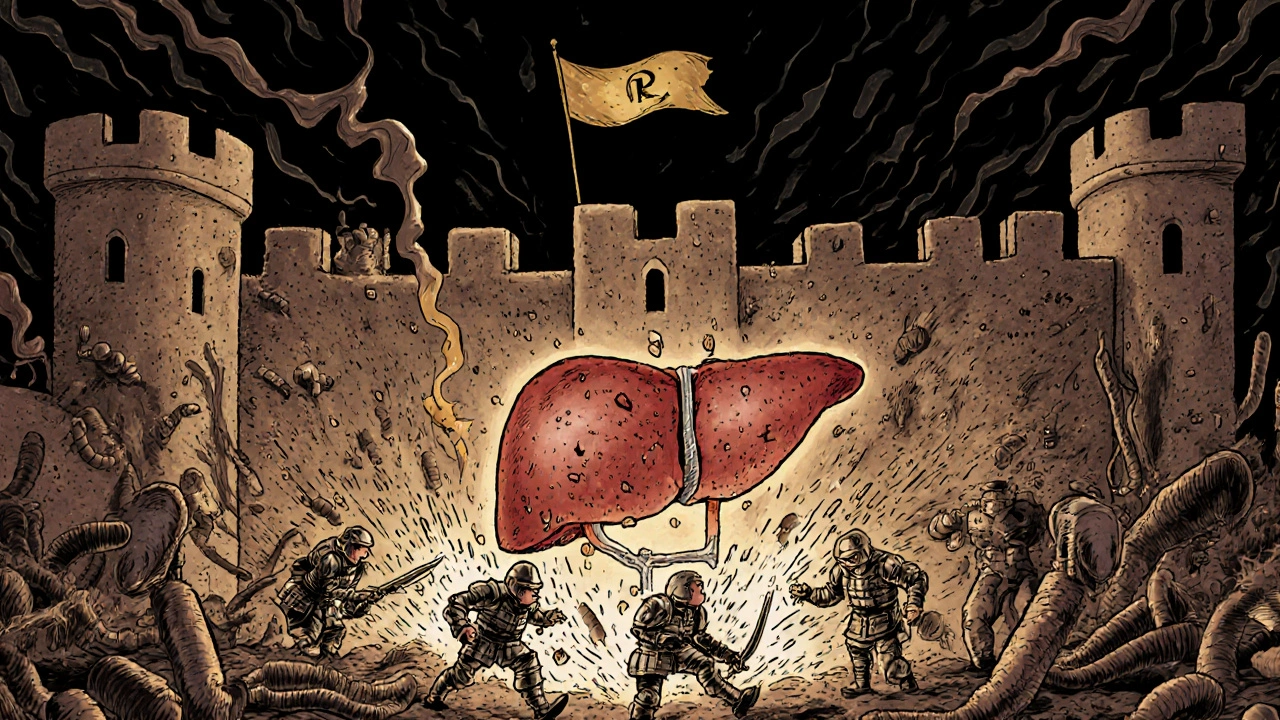
When your liver can’t move bile properly, you get cholestasis, a condition where bile flow from the liver is reduced or blocked. This isn’t just a minor upset—it can lead to jaundice, intense itching, and long-term liver damage. And yes, some antibiotics, medications used to treat bacterial infections are known to trigger it. It’s not common, but when it happens, it’s serious. You might feel fine one day, then wake up with yellow eyes or skin that won’t stop itching. That’s not just a rash. That’s your liver sending a signal.
Not all antibiotics cause this, but certain ones carry higher risk. Erythromycin, amoxicillin-clavulanate, sulfonamides, and some fluoroquinolones have been linked to drug-induced cholestasis, liver injury caused by medications rather than viruses or alcohol. It usually shows up after a few days to weeks of use, which is why many people miss the connection. You think your fever is gone, so you assume the meds are safe. But your liver doesn’t work that way. It doesn’t shout—it whispers until it’s too late. That’s why tracking changes in your skin color, urine darkening, or unexplained fatigue matters. If you’re on antibiotics and notice these signs, don’t wait for your next appointment. Call your doctor. A simple blood test can check your liver enzymes and bile levels before things get worse.
What makes this even trickier is that cholestasis from antibiotics often looks like other liver problems—viral hepatitis, gallstones, even alcohol damage. Doctors have to rule out the obvious before they suspect the meds. That’s why post-marketing reports and patient databases are so important. Real-world data, not just clinical trials, help us spot these hidden risks. That’s why you’ll find articles here about medication safety, how side effects are tracked after drugs hit the market, and how to spot early signs of trouble. You won’t find every antibiotic listed here, but you’ll learn how to think about your meds like a detective: what’s new? When did symptoms start? What else are you taking? Even herbal supplements can play a role.
There’s no magic pill to prevent this, but awareness helps. If you’ve had liver issues before, or if you’re on multiple meds, ask your pharmacist to screen for interactions. Don’t assume a common antibiotic is harmless just because it’s cheap or over-the-counter in some countries. And if you’re ever unsure—stop the drug, don’t wait. Cholestasis can reverse if caught early. Left alone, it can lead to permanent scarring. The posts below give you real examples: how people missed the signs, how labs caught it in time, and what alternatives exist when one antibiotic turns risky. You’re not alone in this. Millions take antibiotics every year. A small number get cholestasis. But if you’re one of them, knowing what to look for could change everything.