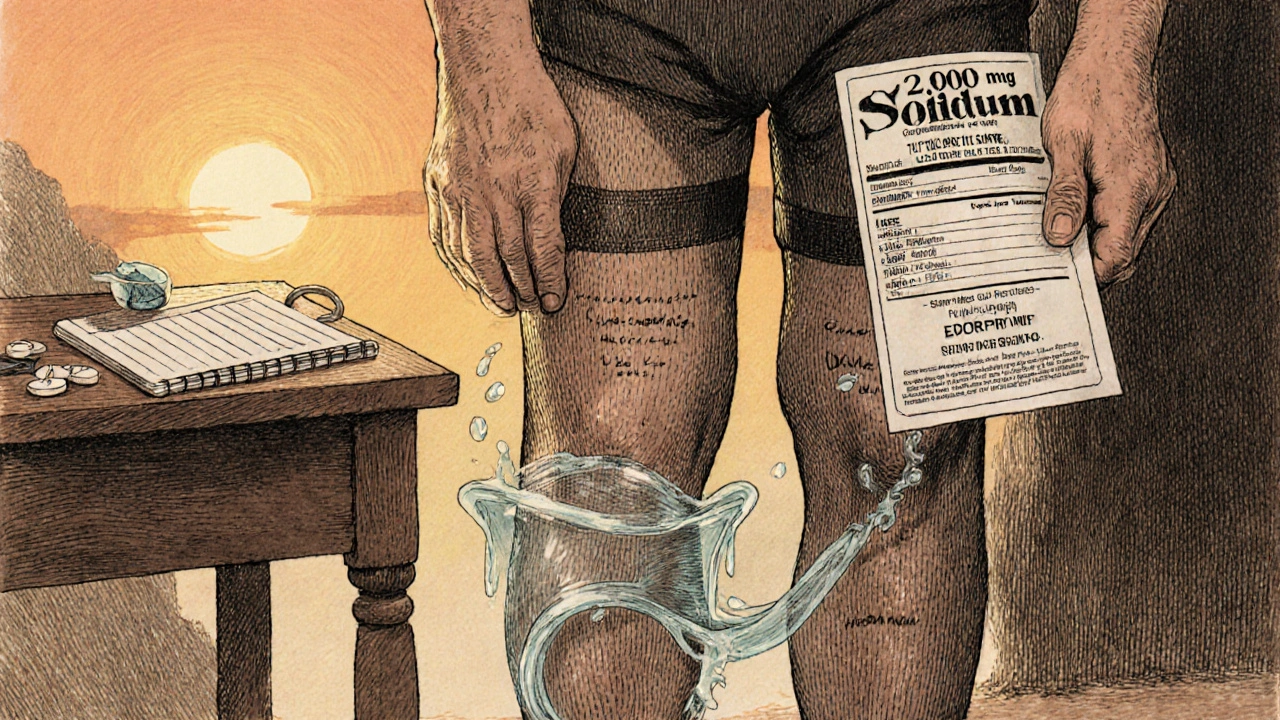
When your kidneys can’t filter waste and extra fluid properly, chronic kidney disease, a long-term condition where kidney function slowly declines leads to fluid retention, the buildup of excess fluid in tissues and blood vessels. This isn’t just puffiness in your ankles—it’s a sign your body is struggling to balance fluids, and it can strain your heart, raise your blood pressure, and make breathing hard. People with CKD, chronic kidney disease, often called the silent killer because symptoms show up late often notice swollen legs, weight gain overnight, or tight shoes without changing their routine. It’s not normal aging. It’s your kidneys failing to do their job.
Fluid retention in chronic kidney disease happens because damaged kidneys can’t remove sodium and water like they should. Sodium pulls water into your bloodstream, and when your kidneys can’t flush it out, fluid piles up. This is why doctors often limit salt and fluids in CKD patients. But it’s not just about cutting back. Medications like diuretics (water pills) help, but they’re not always enough. Some people need dialysis just to remove the extra fluid. And here’s the catch: too much fluid can lead to heart failure, pulmonary edema, or sudden spikes in blood pressure. That’s why tracking weight daily is one of the simplest, most effective tools—if you gain more than 2 pounds in a day, it’s a red flag.
What you might not realize is that fluid retention in CKD doesn’t happen in isolation. It’s tied to other problems like high blood pressure, diabetes, and even gout. That’s why allopurinol, a medication used to lower uric acid levels in people with gout and CKD shows up in some of the posts below—it helps reduce kidney stress, which indirectly helps with fluid balance. And while you won’t find a magic fix, managing diet, meds, and daily habits makes a real difference. The posts here don’t just list facts—they show real cases, what works, what doesn’t, and how people are handling it day to day.
You’ll find guides on how to track fluid intake, which foods to avoid, how diuretics really work (and when they stop working), and what alternatives exist when standard treatments fail. Some posts talk about how kidney disease affects other systems—like bladder control or heart function—because fluid retention doesn’t stay in one place. This isn’t theoretical. These are stories from people living with this, and the tools they’ve found to stay in control.