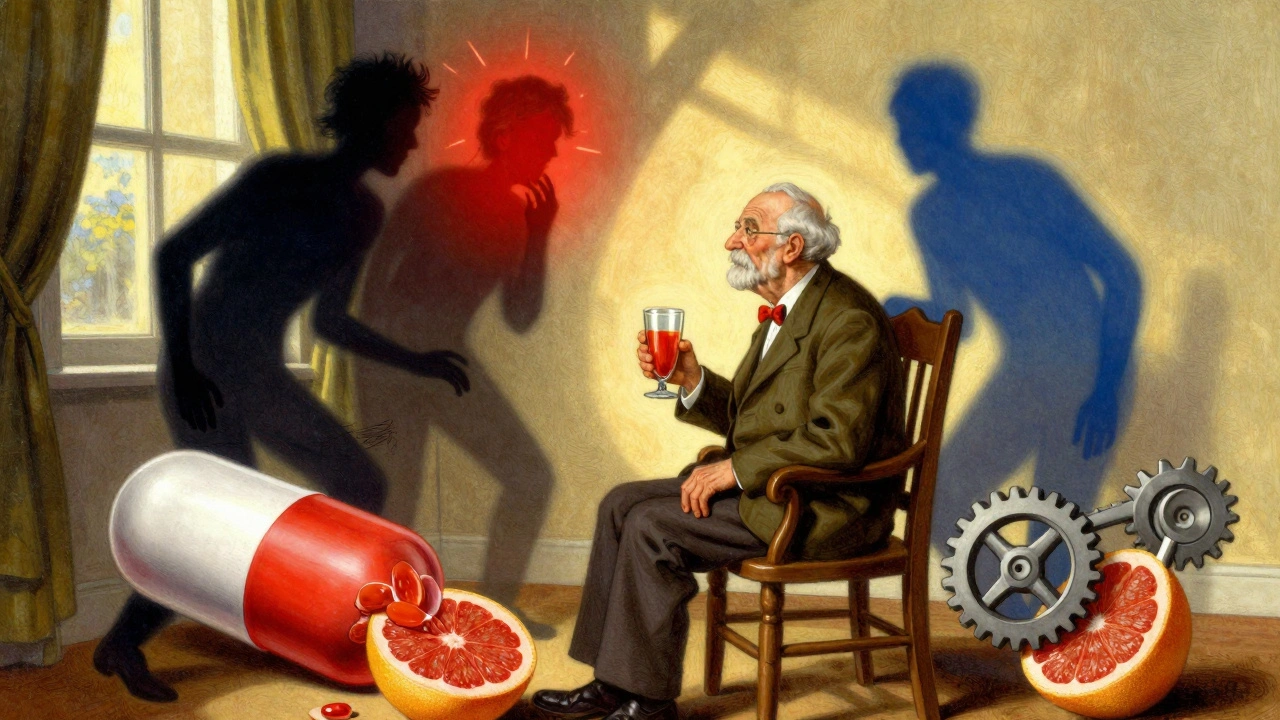
When you take a pill, your body doesn’t just hold onto it—it actively drug clearance, the process by which the body eliminates a medication from the bloodstream. Also known as drug elimination, it’s what keeps drugs from building up to dangerous levels. Think of it like a faucet draining a bathtub: if water flows in too fast and the drain is clogged, it overflows. That’s what happens when drug clearance slows down—your body can’t remove the medicine fast enough, and side effects pile up.
Two main organs handle this job: your liver, the primary site for breaking down most drugs into simpler compounds and your kidneys, the main route for flushing out drug waste through urine. Some drugs are cleared mostly by one, others by both. For example, antibiotics like vancomycin rely heavily on kidney clearance, while painkillers like acetaminophen are mostly broken down by the liver. If your liver is damaged or your kidneys aren’t working well, those drugs stick around longer. That’s why doctors adjust doses for people with liver disease or kidney failure—it’s not just a precaution, it’s a necessity.
Drug clearance also explains why some meds need to be taken multiple times a day while others work for 24 hours. A drug with low clearance stays in your system longer, so you take it once. A drug with high clearance gets flushed out quickly, so you need more frequent doses. This is why timing matters. Skip a dose of a fast-clearing drug, and your blood levels drop too low to work. Take too much of a slow-clearing one, and you risk toxicity. Even your age, weight, or what you eat can change how fast your body clears a drug. A 70-year-old with reduced kidney function may need half the dose of a 30-year-old on the same medication.
Understanding drug clearance helps you see why generic drugs aren’t always interchangeable in every case. If two versions of a drug have slightly different clearance rates, it can mean the difference between control and failure—especially for drugs with a narrow therapeutic index like warfarin or lithium. That’s why some patients react differently to generics, even when they’re labeled "bioequivalent." It’s not always about potency—it’s about how fast your body removes it.
Post-marketing surveillance, like the kind covered in our pharmacovigilance posts, often uncovers problems tied to unexpected drug clearance. A patient with undiagnosed kidney disease might develop toxicity from a drug that’s normally safe. Or a new interaction—like cannabis slowing liver metabolism—can cause clearance to drop, leading to overdose. That’s why regular blood tests, like those needed for hydroxyurea or statins, aren’t just routine—they’re lifesaving.
What you’ll find below are real-world examples of how drug clearance shapes treatment decisions, from Medicaid pricing policies that rely on predictable drug metabolism to why certain antibiotics cause liver injury in some people but not others. These aren’t abstract concepts—they’re the reason your doctor changes your dose, why your pharmacist asks about your kidney function, and how we avoid dangerous drug interactions before they happen.