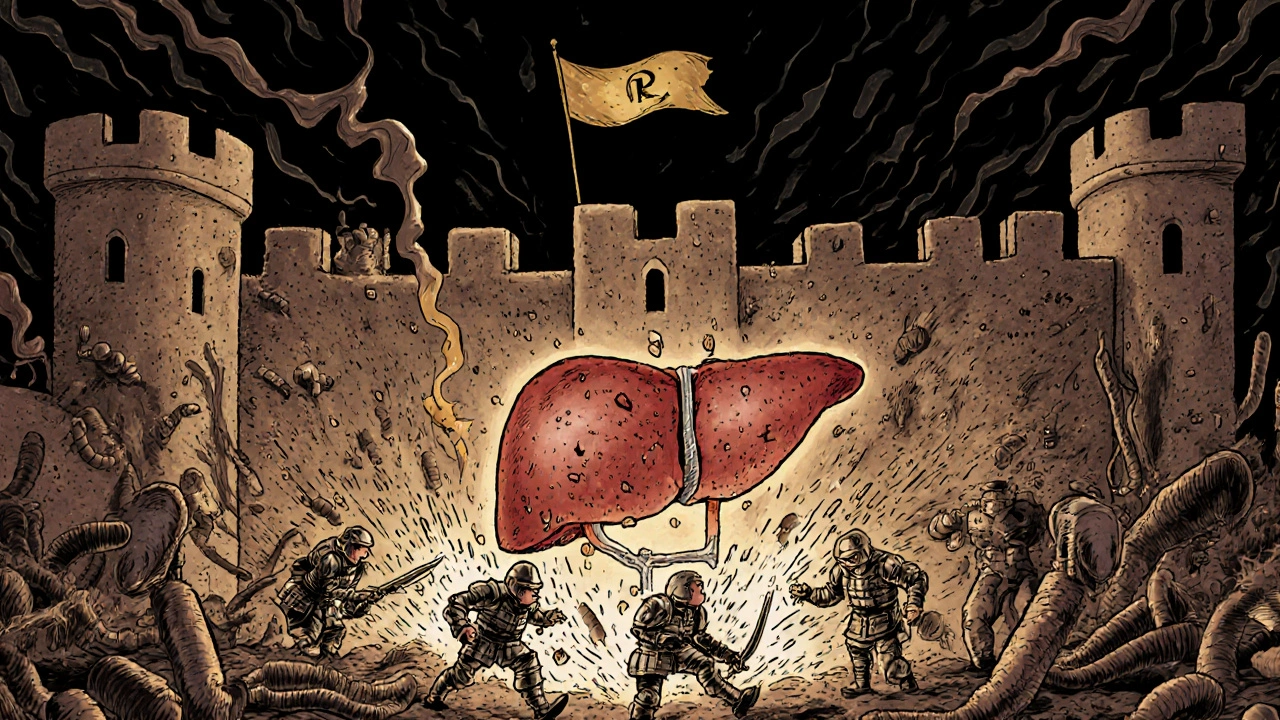
When your liver gets damaged not by alcohol or viruses, but by the very pills you take to feel better, that’s drug-induced hepatitis, a form of liver inflammation triggered by medications or supplements. Also known as drug-induced liver injury, it’s not rare—hundreds of prescription and over-the-counter drugs can cause it, often without warning. You might be taking something safe for years, then suddenly your liver starts reacting. No fever. No jaundice at first. Just fatigue, nausea, or dark urine you write off as stress. But that’s how it sneaks up.
Hepatotoxicity, the technical term for liver damage caused by chemicals or drugs isn’t always obvious. Some drugs, like acetaminophen, can wreck your liver if you take too much. Others, like certain antibiotics or seizure meds, trigger reactions only in people with specific genetics. And then there are the ones no one expects—herbal supplements, weight-loss pills, even some cholesterol drugs. Pharmacovigilance, the system that tracks drug side effects after they hit the market exists because clinical trials miss these rare but serious reactions. Real people, real use, real damage—that’s how we learn what’s dangerous.
What makes drug-induced hepatitis tricky is that it looks like every other kind of liver problem. Blood tests show elevated enzymes, but without a clear history of recent meds, doctors can miss it. That’s why knowing your own meds matters. If you started a new drug—any new drug—within the last few weeks and feel off, tell your doctor. Don’t wait for yellow skin or swelling. Early detection means stopping the drug before permanent damage sets in.
Some people think if a drug is FDA-approved, it’s completely safe. But approval means the benefits outweigh the risks for most people—not that it’s risk-free. The FDA’s drug safety alerts and post-marketing reports show how often hidden dangers surface after thousands or millions of people start using something. That’s why tracking side effects isn’t just for researchers—it’s for you. If you’ve ever wondered why your doctor asked about every supplement you take, now you know. One pill, even a harmless-seeming one, can be the trigger.
This collection of articles dives into what causes drug-induced hepatitis, which medications are most often linked to it, and how to protect yourself. You’ll find real-world examples of how people caught it early, what tests matter most, and why skipping routine blood work can be dangerous—even if you feel fine. We’ll also look at how newer monitoring systems help catch these issues before they escalate. No fluff. No guesses. Just what you need to know to stay safe while taking the meds you rely on.