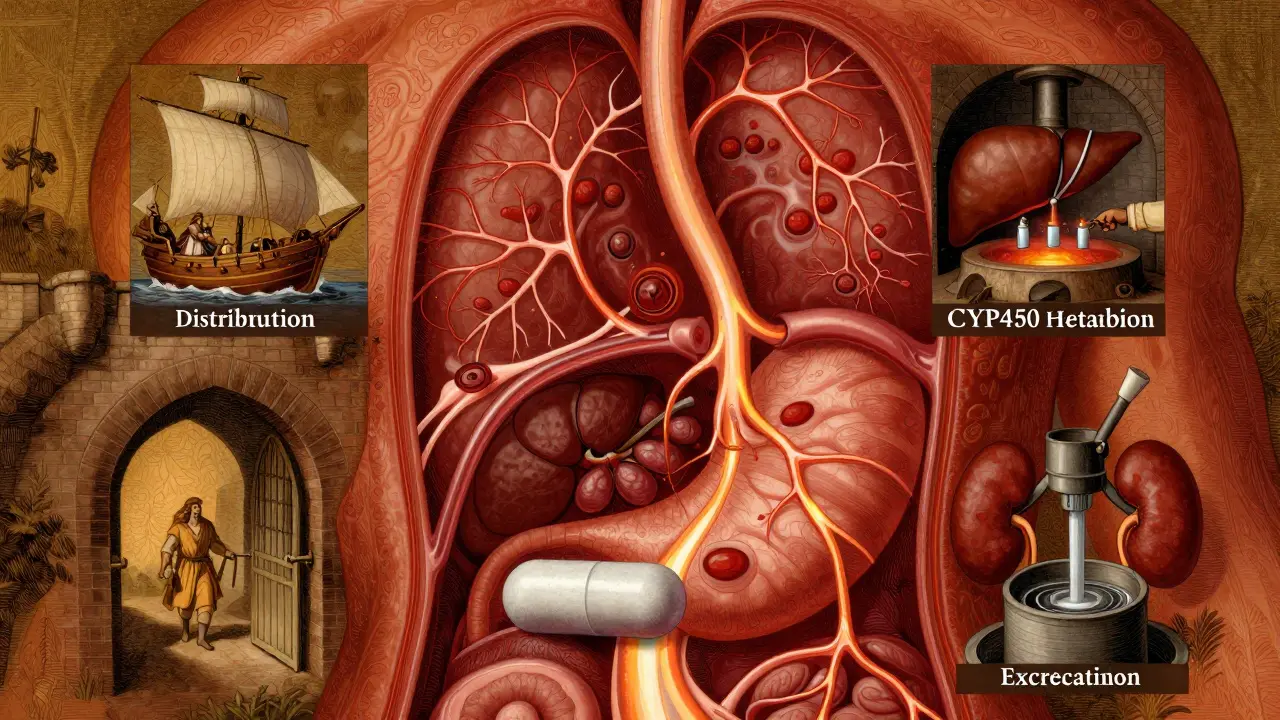
When you take a medication, your body doesn’t just react to the part you want—it reacts to everything in the pill. Drug side effects, unintended physical or mental responses to a medication that aren’t the intended therapeutic outcome. Also known as adverse drug reactions, these can range from a dry mouth to serious organ damage, and they’re not rare—nearly 1 in 5 people experience them. The truth? Side effects aren’t a bug in the system—they’re a feature of how biology works. Your liver, kidneys, brain, and gut all process drugs differently, and what helps one person might hurt another.
Not all side effects are created equal. Some are mild and temporary, like nausea from antibiotics or drowsiness from antihistamines. Others are dangerous and hidden—like liver damage from statins or heart rhythm issues from certain antidepressants. Drug interactions, when one medication changes how another works in your body. Also known as pharmacological interactions, they’re one of the leading causes of preventable hospital visits. Take cannabis with blood thinners? That’s a red flag. Mix hydroxyurea without regular blood tests? You’re risking severe anemia. These aren’t hypotheticals—they’re documented risks in real patients.
And it’s not just about the pills. Your age, genetics, diet, and even the time of day you take a drug can change how side effects show up. Someone with chronic kidney disease might need a lower dose of allopurinol. A person with a specific gene variant could have a dangerous reaction to abacavir. Medication side effects, the predictable or unpredictable bodily responses triggered by pharmaceutical compounds. Also known as adverse reactions, they’re often overlooked because people assume feeling bad is just part of getting better. But you don’t have to suffer in silence. Many side effects can be managed—switching drugs, adjusting timing, adding supplements, or monitoring with simple blood tests.
You’ll find posts here that cut through the noise. No fluff. Just real examples: why muscle pain isn’t always from statins, how hydroxyurea demands blood work even if you feel fine, why acitretin can wreck your liver if you’re not careful, and how Metoprolol allergies can sneak up on you. These aren’t theoretical warnings—they’re lessons from people who lived through them.
Understanding drug side effects isn’t about scaring you off medicine. It’s about giving you control. If you’re on a prescription, taking supplements, or even using over-the-counter drugs, you deserve to know what’s really happening inside your body. The posts below cover exactly that—how to spot danger signs, what to ask your doctor, and how to find safer alternatives when things go wrong.