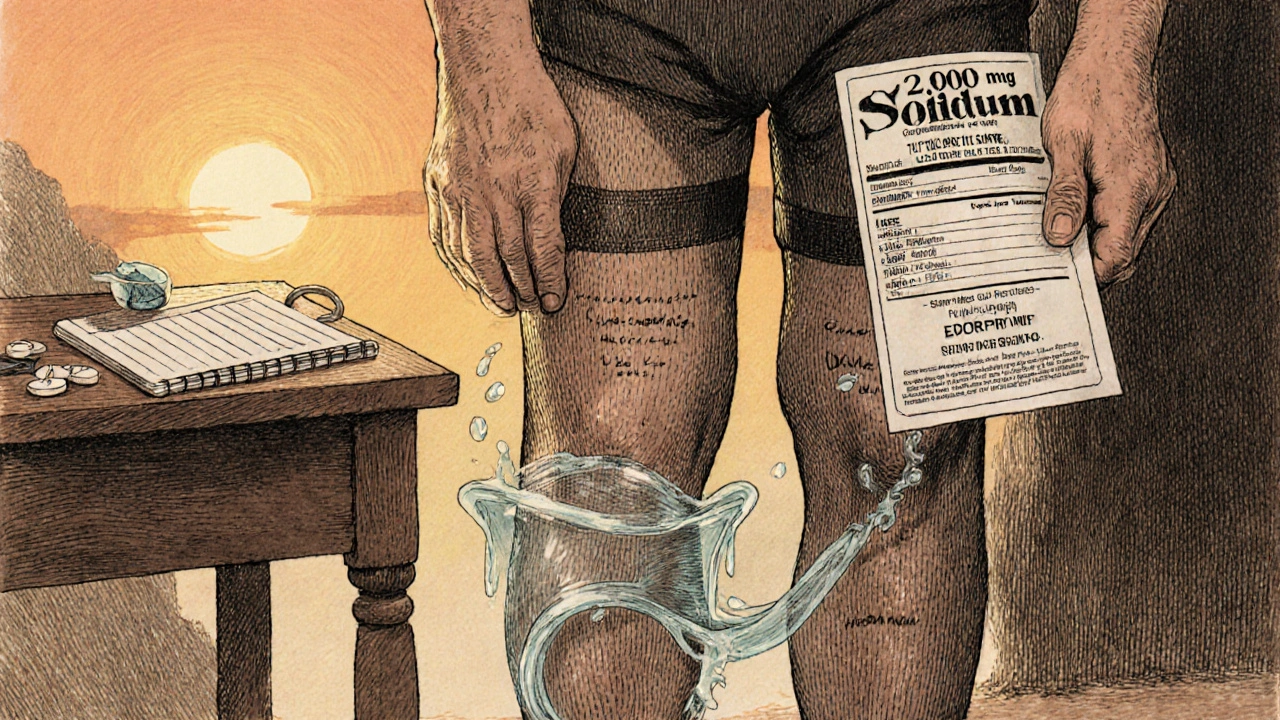
When you have edema in CKD, swelling caused by fluid buildup due to chronic kidney disease. Also known as fluid retention in kidney failure, it’s not just a nuisance—it’s a warning your kidneys can’t filter blood the way they should. Your kidneys normally remove extra water and salt from your body. But when they’re damaged, that fluid stays put, pooling in your legs, ankles, feet, or even lungs. This isn’t normal aging. It’s a direct result of declining kidney function.
Chronic kidney disease, a long-term condition where kidney function slowly declines. Also known as CKD, it affects over 37 million Americans, and many don’t know they have it until symptoms like swelling show up. Edema often appears in stage 3 or later, when the kidneys lose more than half their filtering power. The problem gets worse if you eat too much salt, drink too much fluid, or skip your diuretics. It’s not just about the legs—fluid in the lungs can make breathing hard, especially at night. That’s why doctors check for weight gain, blood pressure spikes, and swelling during every visit.
Diuretics, medications that help your body get rid of extra fluid through urine. Also known as water pills, they’re the first line of defense against edema in CKD. But they don’t fix the root problem. Furosemide (Lasix) might help you pee more today, but if your kidneys keep failing, you’ll need more than pills. That’s why managing sodium, tracking daily weight, and avoiding NSAIDs like ibuprofen are just as important. Some people with advanced CKD need dialysis to remove fluid when their kidneys can’t. Others find relief with low-sodium diets or fluid limits set by their nephrologist.
What you’ll find in the posts below isn’t just theory—it’s real advice from people who’ve lived with this. You’ll see how allopurinol, often used for gout in CKD patients, can also help protect kidney function. You’ll learn why some meds for high blood pressure or heart failure make edema worse. And you’ll get clear comparisons between treatments that actually work and those that just sound good. No fluff. No guesswork. Just what you need to know to manage swelling, protect your kidneys, and stay out of the hospital.