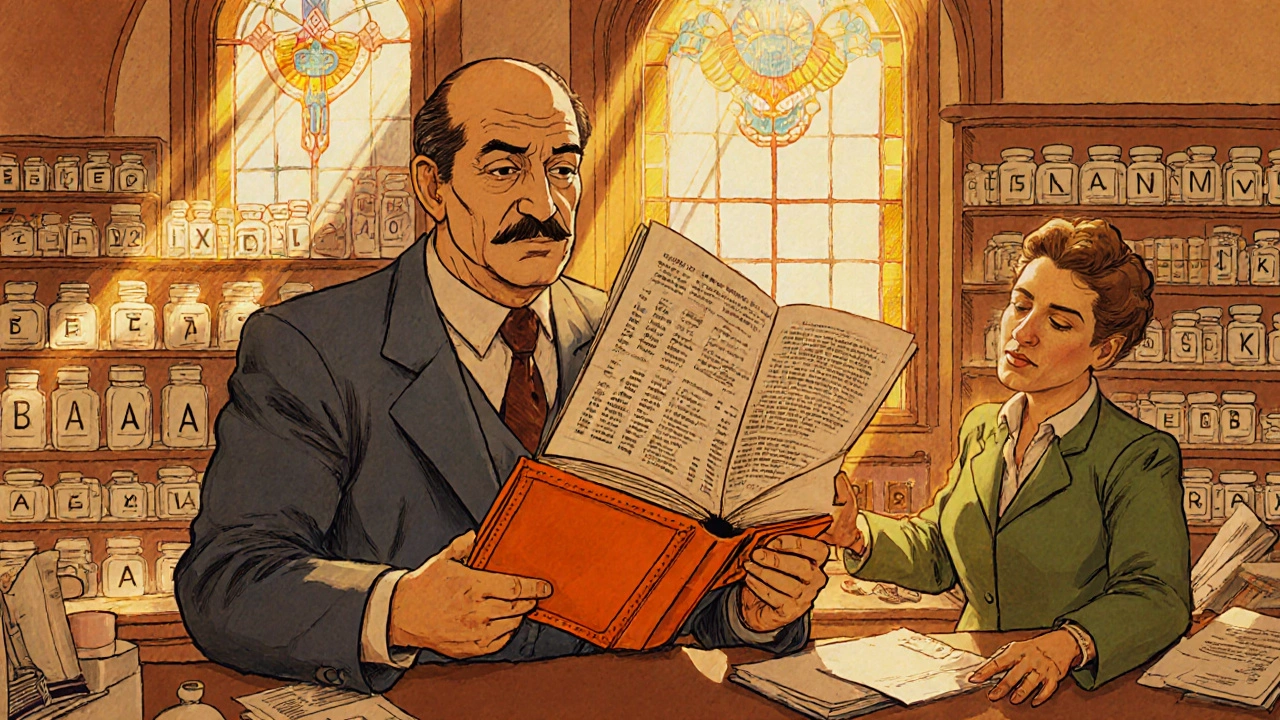
When you pick up a generic pill at the pharmacy, how do you know it’s really the same as the brand-name version? That’s where the FDA Orange Book, a public database of FDA-approved drug products with therapeutic equivalence evaluations. Also known as Approved Drug Products with Therapeutic Equivalence Evaluations, it’s the official list that tells pharmacists and doctors which generics can safely replace brand-name drugs. It’s not just a directory—it’s a safety net. Without it, you could end up with a generic that looks the same but behaves differently in your body.
The FDA Orange Book doesn’t just list drugs. It rates them using codes like AB, which means the generic is therapeutically equivalent to the brand. If a drug is rated BX, it’s not interchangeable—maybe because the formula affects absorption too much. This matters for drugs like seizure meds, blood thinners, or thyroid pills, where tiny differences can cause big problems. The therapeutic equivalence ratings are based on real-world data: bioavailability studies, manufacturing standards, and patent status. And it’s updated daily. If a drug gets pulled, a new generic is approved, or a patent expires, the FDA Orange Book changes right away.
Behind the scenes, the FDA Orange Book connects to every generic drug you’ve ever taken. It’s how pharmacies know they can swap out Lipitor for atorvastatin without asking your doctor. It’s how insurers decide which generics to cover. And it’s how you can check if your cheap pill is actually approved to work like the expensive one. You won’t find this info on the bottle, but you can look it up online for free. The FDA Orange Book also tracks exclusivity periods, patent disputes, and drug withdrawals—key details that affect when new generics hit the market. This is why some drugs have no cheap alternatives for years, while others suddenly drop in price overnight.
The posts below dive into real-world issues tied to this system. You’ll find guides on how insurance treats generics vs. brands, why some medications need strict monitoring, and how drug recalls happen after approval. You’ll see how pharmacovigilance catches side effects the FDA Orange Book doesn’t predict, and how price transparency tools help you use this data to save money. Whether you’re managing statins, Parkinson’s meds, or antibiotics, understanding how drugs are approved and rated gives you real power over your health—and your wallet.