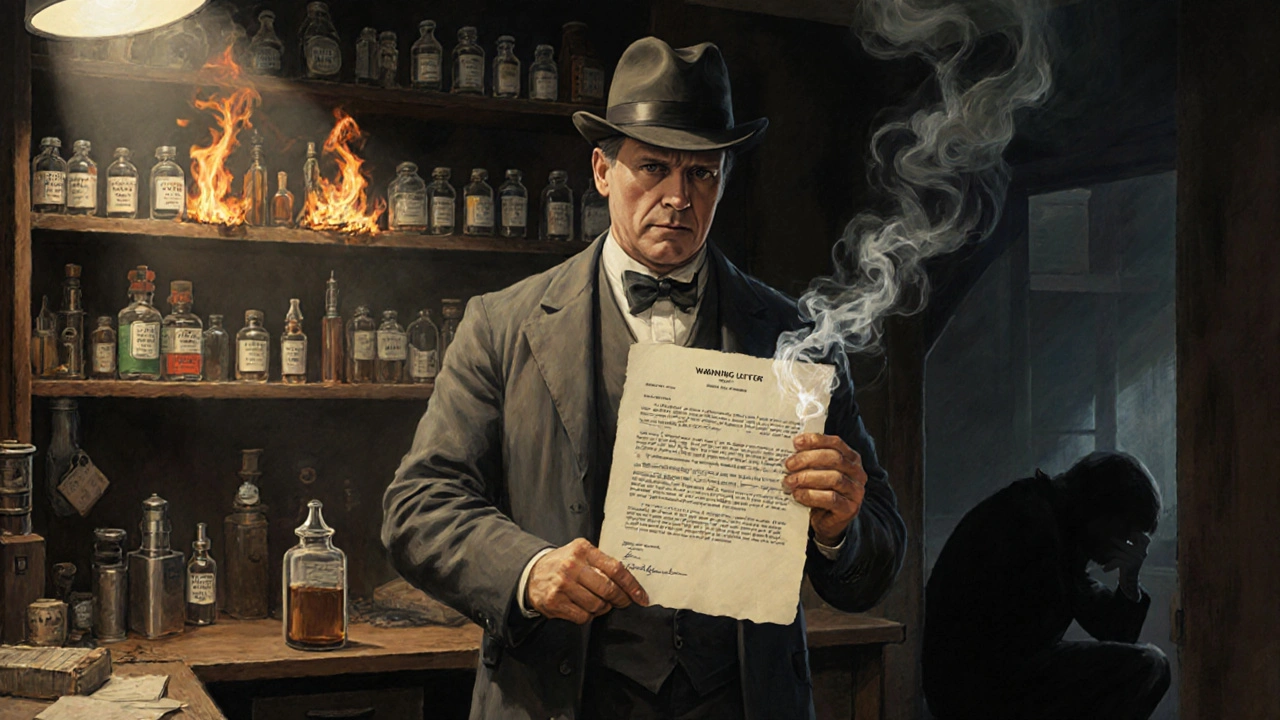
When the FDA warning letters, official notices issued by the U.S. Food and Drug Administration to companies violating federal drug laws. Also known as Form 483 follow-ups, these letters are not fines—they’re red flags that a company’s practices could be putting patients at risk. If you take prescription meds, supplements, or even over-the-counter drugs, these letters directly impact what’s in your medicine cabinet. The FDA doesn’t send them lightly. They’re issued after inspections find things like contaminated batches, false claims, or factories that don’t follow basic safety rules.
These letters often connect to drug safety, the system of checks and monitoring that ensures medications don’t harm users. For example, a company making generic hydroxyurea might get a warning letter for failing to test blood cell counts in clinical batches—exactly the kind of monitoring discussed in our posts on hydroxyurea side effects. Or a maker of cheap generic Seroquel could be flagged for not verifying ingredient purity, which is why buying online requires knowing which pharmacies are legit. pharmaceutical regulations, the legal framework that governs how drugs are made, tested, and sold in the U.S. exist because without them, companies cut corners. That’s how you end up with fake Cialis Sublingual, mislabeled tamoxifen, or expired samples sold as new.
And it’s not just about big names. Even small labs making herbal supplements like Serpina or Amalaki extract can get hit with warning letters for making unapproved health claims. The FDA doesn’t regulate supplements like drugs—but if they say it treats high blood pressure or cancer, they’re crossing the line. That’s why you’ll find posts here on comparing natural pain relief options: you need to know what’s backed by science and what’s just marketing.
These letters also reveal how FDA compliance, the ongoing effort by manufacturers to meet federal standards is often an afterthought. One company might get a letter for not tracking lot expiration dates on free samples, while another is caught selling unapproved versions of Sinemet without proper labeling. These aren’t abstract rules—they’re the difference between a safe dose of allopurinol and a toxic one.
What you won’t see in these letters is the full picture. The FDA only inspects a fraction of facilities. Many unsafe products slip through. That’s why understanding how to read between the lines matters. If your medication suddenly changes color, taste, or how it works, it could be linked to a compliance issue that never made headlines.
The posts below dig into real cases where drug safety failed—like statin intolerance being misdiagnosed because of inconsistent generics, or edema in CKD worsening because diuretics weren’t properly tested. You’ll find guides on how to spot risky online pharmacies, why insurance formularies favor certain brands, and how to check if your meds are affected by past FDA actions. This isn’t about fear. It’s about knowing what to ask, where to look, and how to protect yourself when the system isn’t working perfectly.