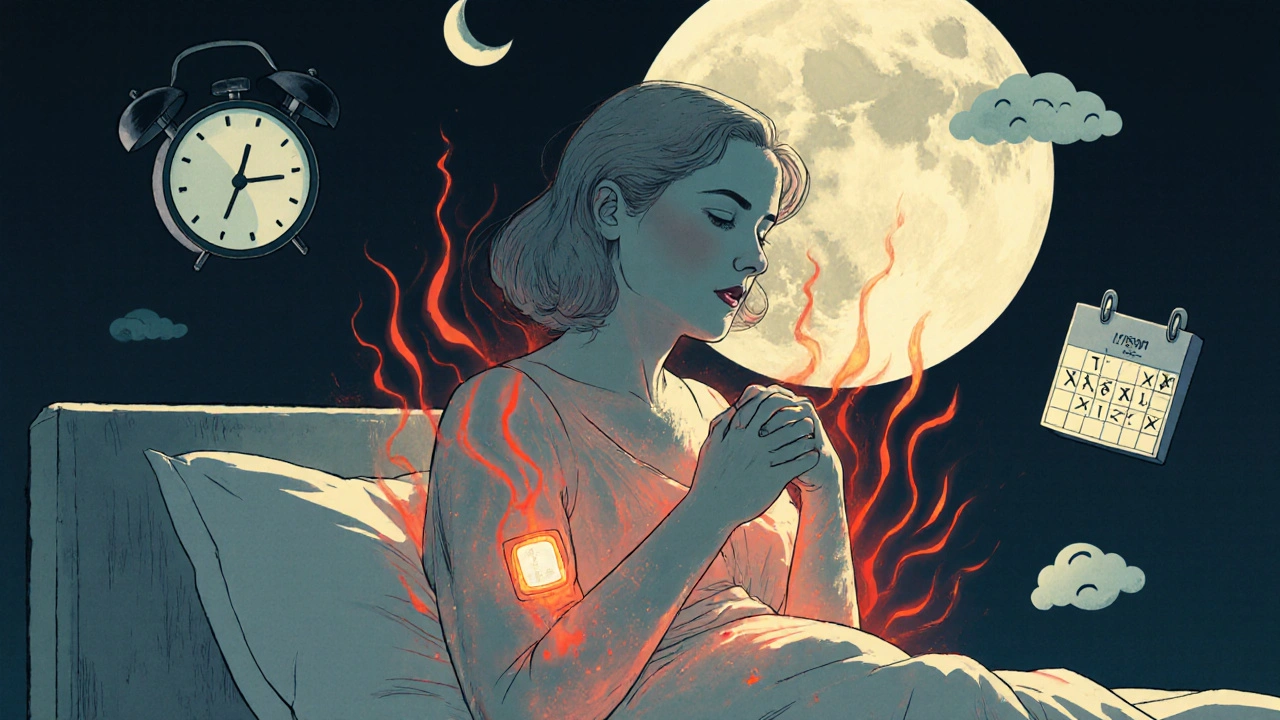
When your body stops making enough hormones—like estrogen or testosterone—your daily life can change fast. Hot flashes, sleepless nights, mood swings, or loss of muscle and bone density aren’t just annoying; they can wear you down. Hormone replacement therapy, a medical treatment that restores hormone levels to ease symptoms caused by menopause, aging, or endocrine disorders. Also known as HRT, it’s one of the most studied and debated tools in modern women’s and men’s health. But HRT isn’t a one-size-fits-all fix. It’s a balancing act between relief and risk, and knowing who benefits most can save you from unnecessary side effects or missed opportunities.
For women going through menopause, HRT can mean the difference between struggling through daily life and feeling like yourself again. Studies show it reduces hot flashes by up to 80% in those who respond well. It also helps protect bone density, cutting fracture risk in postmenopausal women by nearly 30%. For men with low testosterone due to aging or medical conditions, testosterone therapy can improve energy, muscle mass, and even mood. But here’s the catch: estrogen therapy, a form of HRT that replaces declining estrogen levels, often used in women after menopause isn’t safe for everyone. If you’ve had breast cancer, blood clots, or liver disease, it’s not an option. And testosterone therapy, used to restore low testosterone levels in men, often prescribed for symptoms like fatigue and low libido can raise red blood cell counts or worsen sleep apnea. Timing matters too—starting HRT early in menopause tends to offer more benefits with fewer risks than waiting years.
What you won’t find in every doctor’s office is the full picture. Some patients are told HRT is dangerous and avoided altogether. Others are pushed into it without checking their personal risk factors. The truth? For many, the benefits outweigh the risks—especially when it’s tailored to their health history, symptoms, and goals. The posts below dig into real-world cases: how HRT affects heart health, what alternatives exist, how long you should stay on it, and which tests you need before starting. You’ll see what works for others, what went wrong, and what your doctor might not tell you. This isn’t theory. It’s what people actually experience when they choose HRT—and what you need to know before you do.