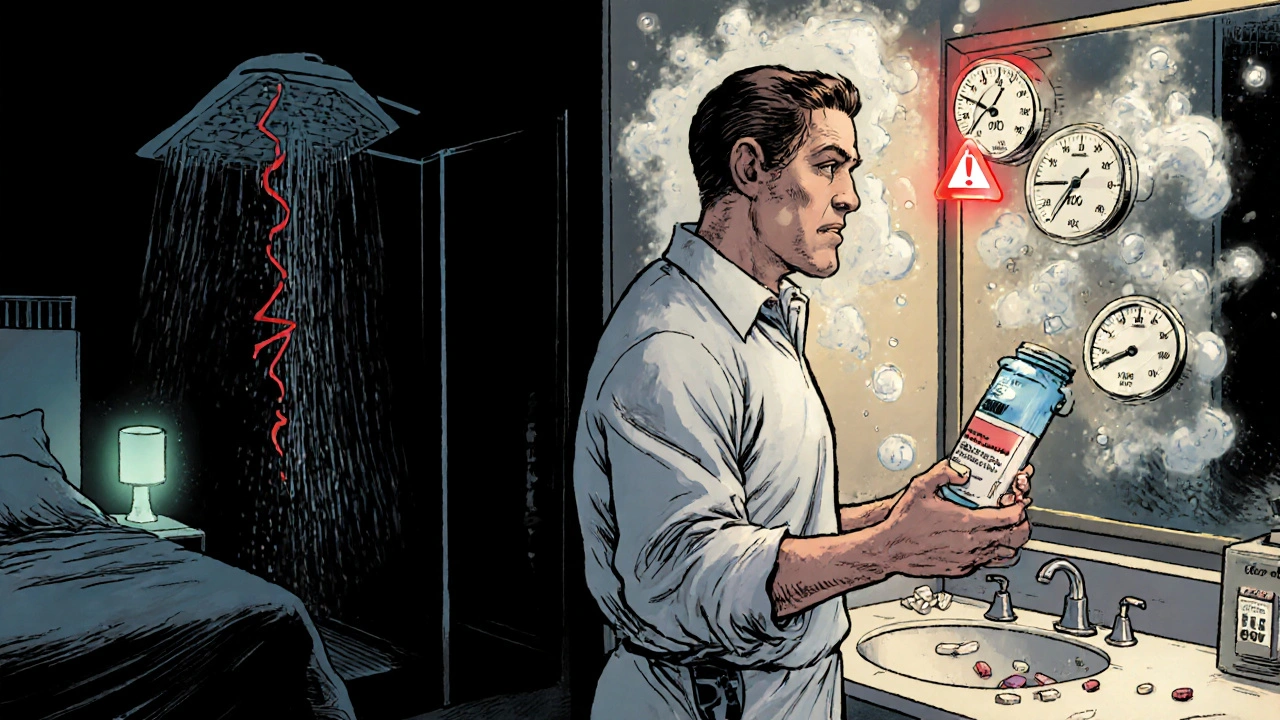
When you think about humidity control, the management of moisture levels in indoor environments to protect health and materials. Also known as moisture regulation, it's often seen as a home comfort issue—but for medications, it’s a matter of safety and effectiveness. Too much moisture can turn pills into mush, weaken liquid drugs, or trigger dangerous chemical changes. Even if your medicine looks fine, high humidity can quietly reduce its potency before you even open the bottle.
medication storage, the proper conditions required to preserve the chemical integrity and efficacy of pharmaceutical products is tightly linked to humidity. Many drugs, like insulin, nitroglycerin, or even common antibiotics, break down faster in damp environments. The FDA and WHO both warn that improper storage can lead to treatment failure. For example, if your asthma inhaler gets exposed to high humidity, the propellant may leak or the powder may clump—making it useless when you need it most. Even over-the-counter pain relievers can lose strength if left in a humid bathroom cabinet.
drug stability, how well a medication maintains its chemical structure and effectiveness under environmental stress like heat, light, or moisture is tested in labs under strict humidity controls. But once it leaves the pharmacy, it’s on you. That’s why many prescriptions come with storage instructions like "keep in a cool, dry place"—they’re not just suggestions. Real-world data shows that patients who store meds in bathrooms or basements are more likely to report that their drugs didn’t work as expected. And in chronic conditions like diabetes or heart disease, even a small drop in potency can have serious consequences.
It’s not just about pills. Moisture affects patches, inhalers, eye drops, and even supplements. A bottle of vitamin D capsules left in a humid drawer might look fine, but the active ingredients could degrade by 20% or more over time. That’s why pharmacies use climate-controlled storage—and why you should too. Simple steps like using airtight containers, keeping meds away from showers and windows, or adding a desiccant pack can make a big difference.
And here’s something most people don’t realize: humidity doesn’t just hurt your meds—it can also worsen health conditions you’re trying to treat. High moisture levels encourage mold growth, which triggers allergies and asthma. That’s why people with chronic lung issues are often advised to use dehumidifiers. It’s the same logic: control the environment to protect your body. When you manage humidity, you’re not just preserving your medicine—you’re supporting your entire treatment plan.
Below, you’ll find real-world guides on how environmental factors like moisture, temperature, and storage practices impact the drugs you rely on. From how to spot degraded medication to why your insurance might not cover a replacement if you stored it wrong, these posts give you the facts you need to keep your health on track—no guesswork needed.