When you have Meniere's disease, a disorder of the inner ear that causes vertigo, ringing in the ears, and hearing loss. It's not just about dizziness—it's about your body's fluid balance getting out of sync. Many doctors recommend a low-sodium diet, a dietary approach that limits salt intake to reduce fluid buildup in the inner ear. This isn't a guess—it's based on how the inner ear regulates pressure, and many people see fewer attacks when they cut back. The idea is simple: too much salt pulls water into the inner ear, making the pressure worse and triggering those sudden, scary episodes of spinning.
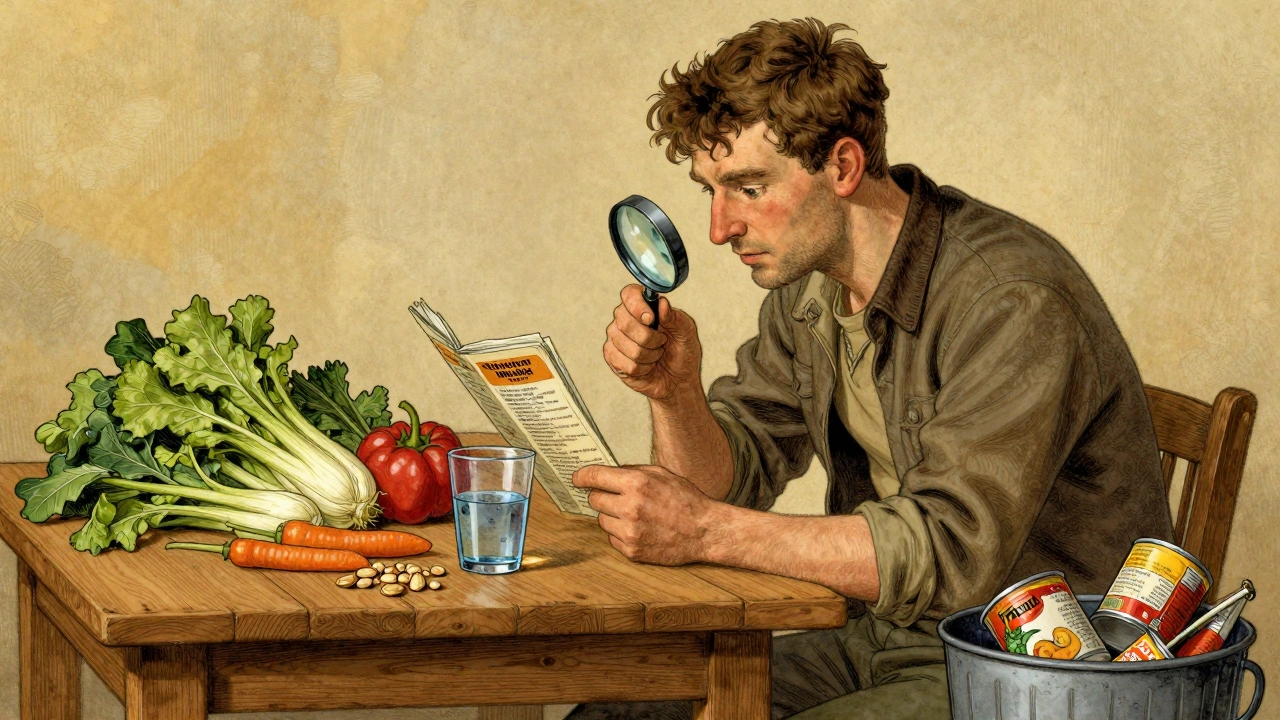
Most guidelines suggest keeping sodium under 1,500 milligrams per day, which is less than a teaspoon of salt. That sounds strict, but it’s doable if you know where the hidden salt hides. Processed foods are the biggest problem—canned soups, frozen meals, deli meats, bread, and even breakfast cereals pack in sodium you don’t even taste. Restaurant meals? Often over 2,000 mg in one dish. Reading labels isn’t optional; it’s your first line of defense. You don’t need to go salt-free—just avoid the extra stuff. Try seasoning with herbs, lemon, garlic, or vinegar instead. And drink plenty of water. It helps your kidneys flush out excess sodium instead of letting it build up.
It’s not just about what you eat—it’s about how your body responds. Some people with Meniere's disease, a disorder of the inner ear that causes vertigo, ringing in the ears, and hearing loss notice big improvements in just a few weeks. Others need to combine low sodium with other habits: avoiding caffeine, alcohol, and smoking. These all affect blood flow to the inner ear, which can make fluid imbalance worse. And while no diet cures Meniere’s, getting sodium under control is one of the few evidence-backed steps that actually helps reduce attack frequency and severity.
What you’ll find in the posts below aren’t generic diet tips—they’re real, practical insights from people who’ve lived with this. You’ll see how others tracked their sodium, what foods they swapped, and what worked (and what didn’t). There’s no magic bullet, but cutting salt is one of the most consistent things people report helping. If you’re tired of the spinning, the muffled hearing, the constant pressure—it’s worth trying. Not because it’s trendy, but because it’s backed by how your body actually works.