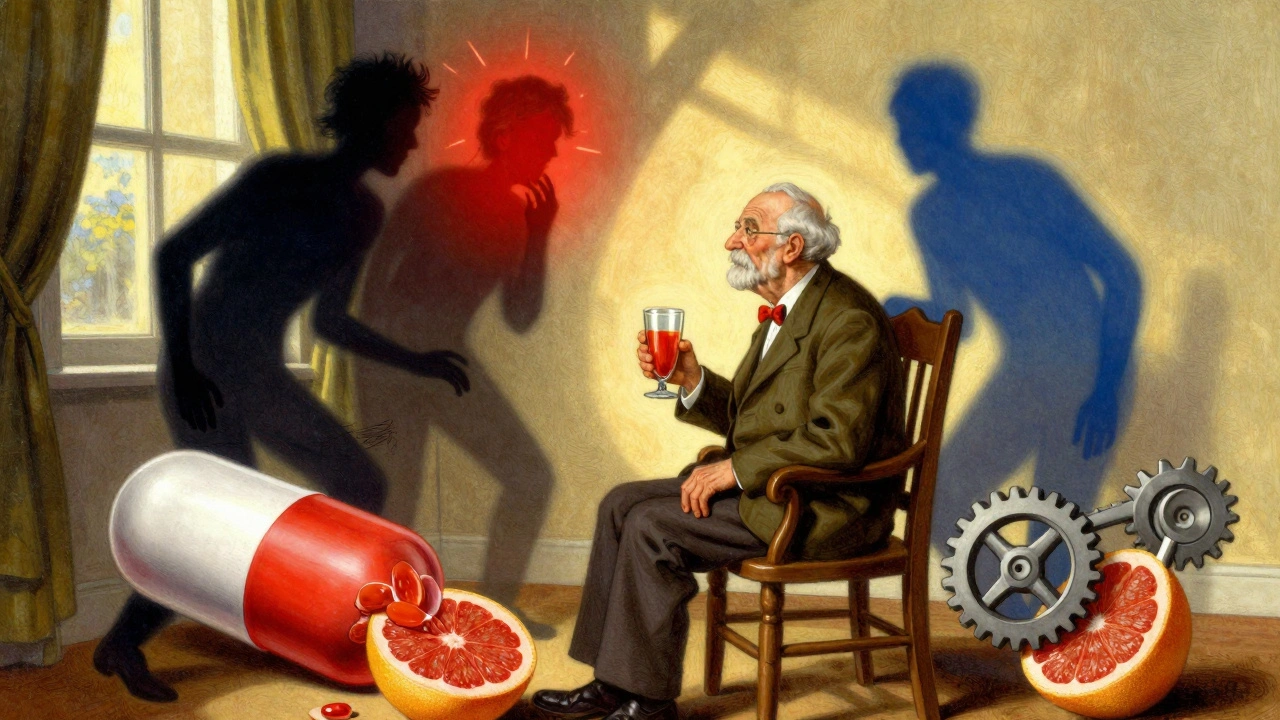
When you take more than one medication, your body doesn’t just see them as separate pills—it sees a chemical conversation that can go right or very wrong. This is what we call medication interactions, when two or more drugs affect each other’s action in your body. Also known as drug interactions, they’re not rare, and they’re not always obvious. You might think if your doctor prescribed both, they’re safe together. But that’s not always true. Even over-the-counter stuff like fish oil, ibuprofen, or herbal supplements can change how your prescription works—or make it dangerous.
Take fish oil and aspirin, two common substances that both thin the blood. Many people take fish oil for heart health and aspirin to prevent clots. Together, they don’t automatically cause bleeding—but for some, especially older adults or those on higher doses, the risk adds up. It’s not a myth, it’s science. Same with cannabis and medications, especially blood thinners, seizure drugs, or transplant meds. The CBD or THC in cannabis can slow down liver enzymes that break down other drugs, causing them to build up to toxic levels. These aren’t edge cases. They’re everyday risks.
And it’s not just about what you take with your pills. Generic drugs are supposed to work just like brand names, but sometimes they don’t—especially with drugs that have a narrow therapeutic index, where even a small change in dose can cause harm or make the drug useless. Think blood thinners, seizure meds, or thyroid pills. A different filler or coating in a generic version might change how fast it’s absorbed. That’s why some people feel like their generic didn’t work, even though it’s "the same." The FDA tracks these in the Orange Book, the official list of approved generics and their therapeutic equivalence ratings, but most patients never check it.
What you’ll find below isn’t a list of scary warnings. It’s a practical guide to what actually matters. You’ll see real examples: how statins can fool you into thinking your muscle pain is from the drug, when it’s not. How antibiotics can quietly damage your liver. How your diabetes meals at restaurants can hide more sugar than you think. How a simple blood test before starting hydroxyurea can prevent a hospital visit. These aren’t theory—they’re stories from people who lived through it. And the solutions? They’re simple, clear, and doable. No jargon. No fluff. Just what you need to know to keep yourself safe while taking the meds you need.