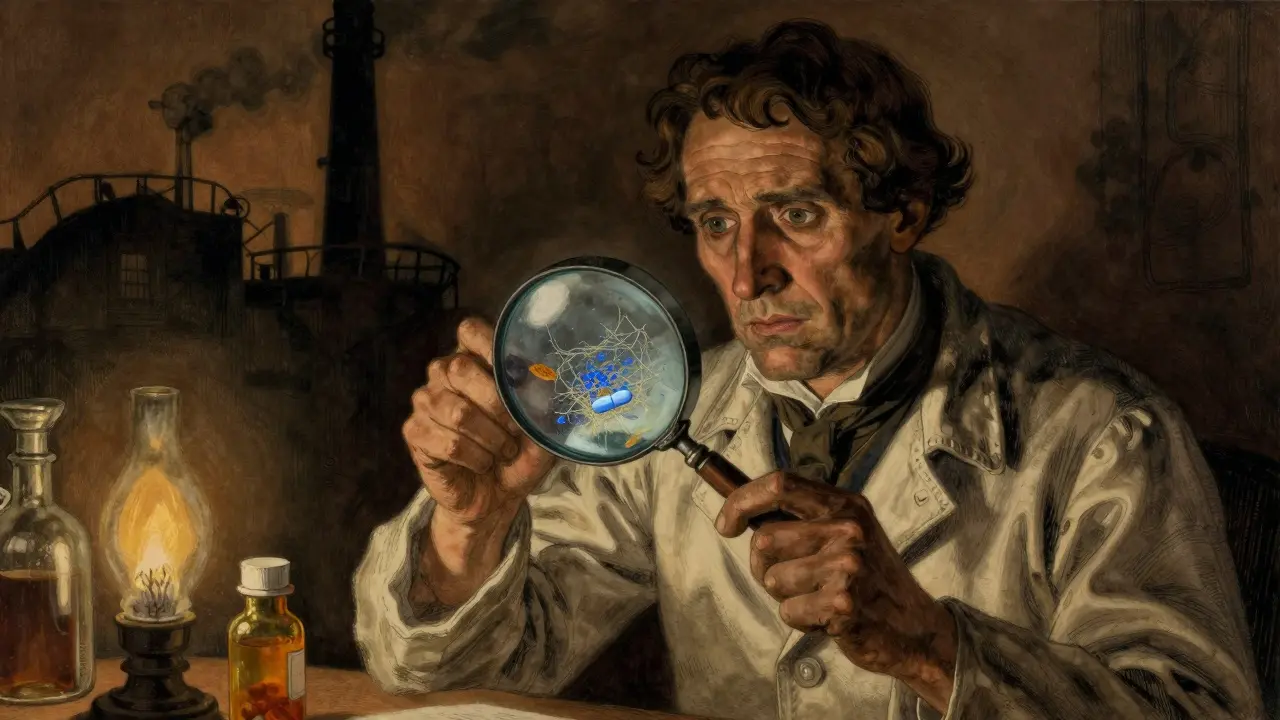
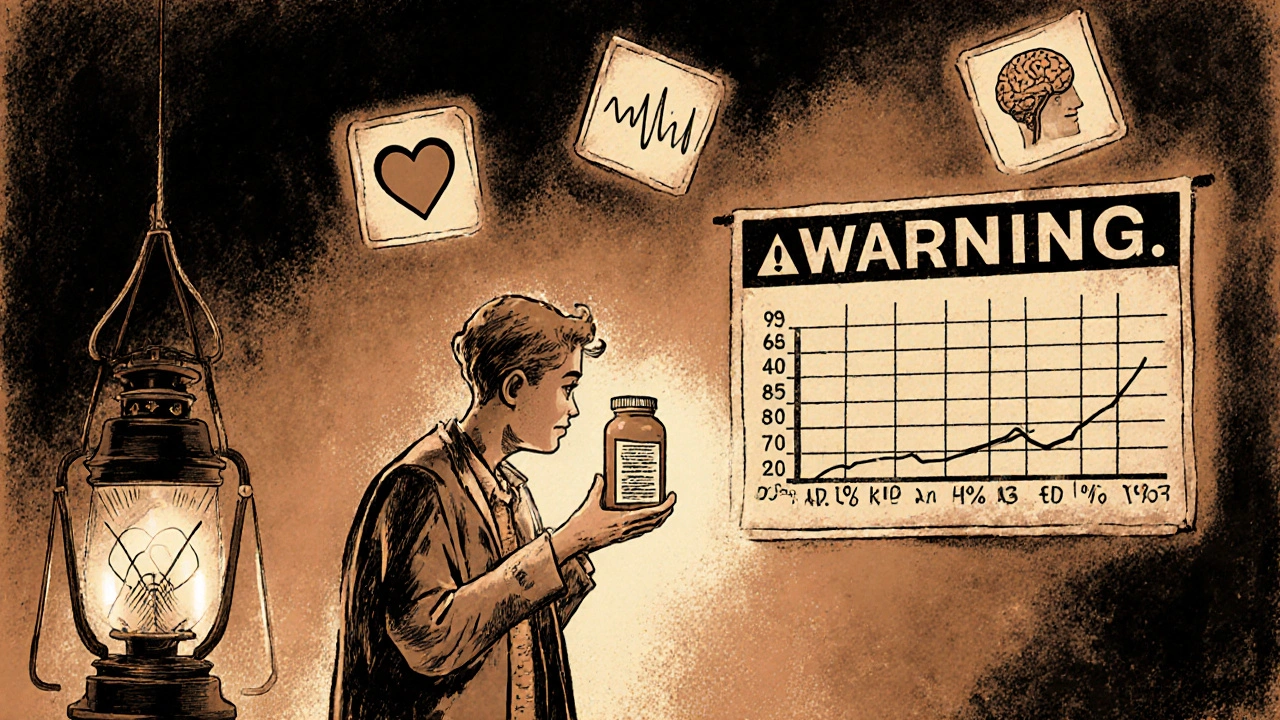
When a medication recall, a formal withdrawal of a drug from the market due to safety concerns. Also known as a drug recall, it’s one of the most direct ways the system protects you from harm. It’s not just a press release—it’s a lifeline. Every recall starts because someone noticed something wrong: a pill with the wrong dose, a batch contaminated with cancer-causing chemicals, or a drug that causes unexpected heart rhythms. These aren’t hypotheticals. In 2023, over 1,200 drug recalls were issued in the U.S. alone, and many more happened globally. Most are voluntary, pushed by manufacturers who caught the issue before patients got hurt. But some? Those come after people already got sick.
Drug safety, the ongoing process of monitoring medications after they reach the public. This isn’t just the FDA’s job—it’s yours too. Post-marketing pharmacovigilance systems, like those mentioned in our posts on adverse drug reactions, rely on real people reporting problems. One patient’s report of unexplained muscle pain led to a statin recall. Another’s liver injury after an antibiotic triggered a nationwide alert. The system works because of you. And if your medicine is recalled, you don’t need to panic—you need to act. Check the lot number. Look up the recall notice. Talk to your pharmacist. Some recalls are for minor issues—like a mislabeled bottle. Others? They’re urgent. A recalled blood pressure pill with high levels of a carcinogen? That’s not a suggestion. That’s a warning.
FDA recall, the official process the U.S. Food and Drug Administration uses to remove unsafe drugs. It’s not a punishment. It’s a correction. The FDA doesn’t recall drugs lightly. They review lab results, patient reports, and manufacturing logs. They look at how many people were exposed. They weigh the risk against the benefit. If a batch of metoprolol has a higher chance of causing an allergic reaction? They pull it. If a generic version of finasteride is missing active ingredients? They pull it. And they tell you—through press releases, pharmacy alerts, and online databases. You just have to know where to look. The same systems that catch dangerous side effects in drugs like hydroxyurea or statins are the ones that catch recalls before they spread.
What you’ll find in these posts isn’t just theory. It’s the real-world backbone of why recalls happen. You’ll see how antibiotic liver injury reports feed into safety databases. How temperature control failures lead to degraded meds that get pulled. How insurance policies and generic drug labeling mistakes create confusion that can mask deeper safety issues. This isn’t about fear. It’s about awareness. You have the right to know if your medicine is safe. And you have the power to help keep others safe too.
Below, you’ll find real stories, real data, and real actions you can take. Whether you’re on a statin, managing gout with allopurinol, or just keeping your meds in the cabinet, this is the information that keeps you one step ahead.