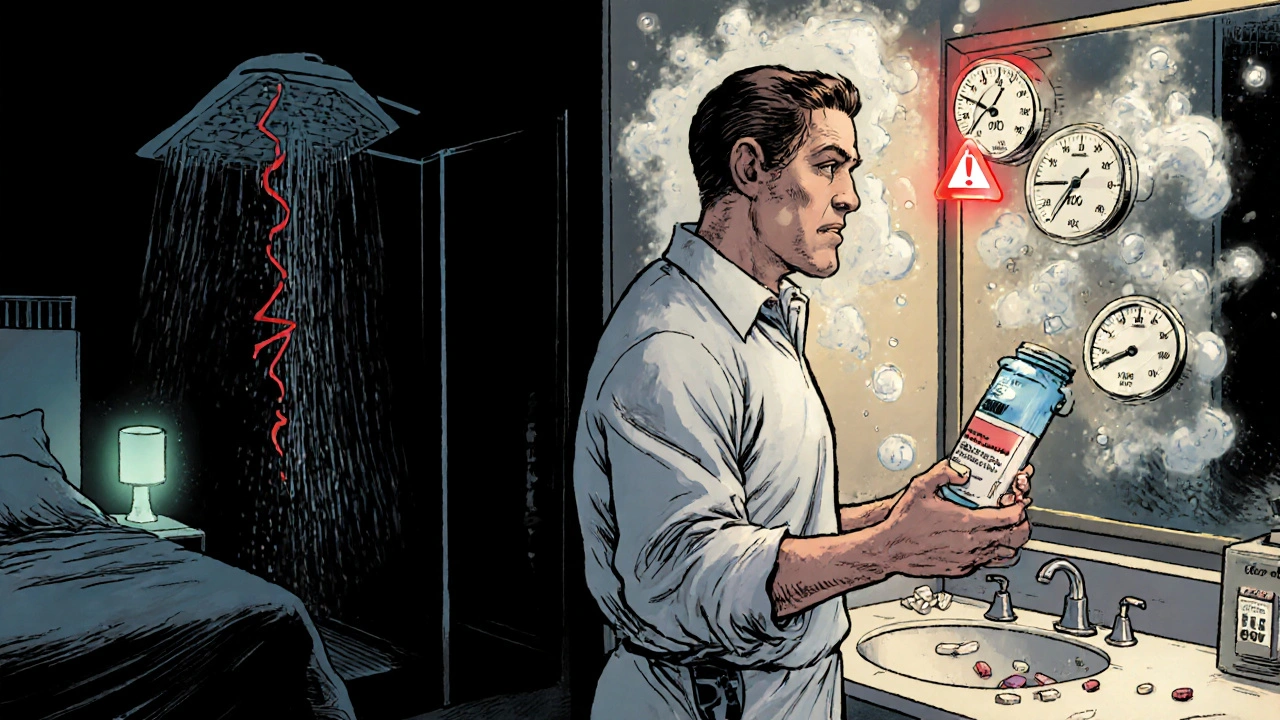
When you buy medicine, you’re not just paying for the drug—you’re paying for its medication storage, the conditions required to keep a drug stable, potent, and safe until it’s taken. Also known as drug storage, it’s not just about keeping pills in a cabinet. Improper storage can turn life-saving medicine into useless—or even dangerous—substances. Heat, moisture, light, and even the air in your bathroom can break down active ingredients. A pill that’s supposed to lower your blood pressure might lose half its strength if left in a hot car or a steamy bathroom. That’s not speculation—it’s what the FDA and drug manufacturers warn about in their labeling.
Expiration dates, the date by which a manufacturer guarantees full potency and safety under proper storage, are not arbitrary. Many people think expired meds are just less effective, but some, like insulin or antibiotics, can become toxic. Temperature sensitivity, how a drug reacts to heat or cold, matters more than you think. Liquid antibiotics, epinephrine auto-injectors, and even some migraine pills need refrigeration. If you leave them on the counter, they degrade faster than you realize. And don’t assume your kitchen cabinet is safe—it’s often the warmest, most humid spot in your house.
Childproofing is another layer of drug safety, the practice of preventing accidental ingestion or misuse of medications. A child who finds a bottle of painkillers or anxiety meds can end up in the ER. Even pets are at risk. Storing meds in locked containers or out of reach isn’t optional—it’s basic protection. And don’t forget about disposal. Old or unused pills shouldn’t sit in your drawer for years. Flushing some meds is safe, but most should go to a take-back program. The FDA has clear guidelines on this, and ignoring them risks environmental harm and accidental exposure.
You’ll find posts here that dig into real-world examples: how to track lot numbers on samples, why some drugs must stay cold even during travel, and how humidity in tropical climates ruins pills faster than you think. Others show how people mistake expired meds for still-good ones, or how storage mistakes led to hospital visits. This isn’t about being paranoid—it’s about being smart. Your medicine works best when it’s handled right. Get it wrong, and you’re not just wasting money—you’re risking your health.