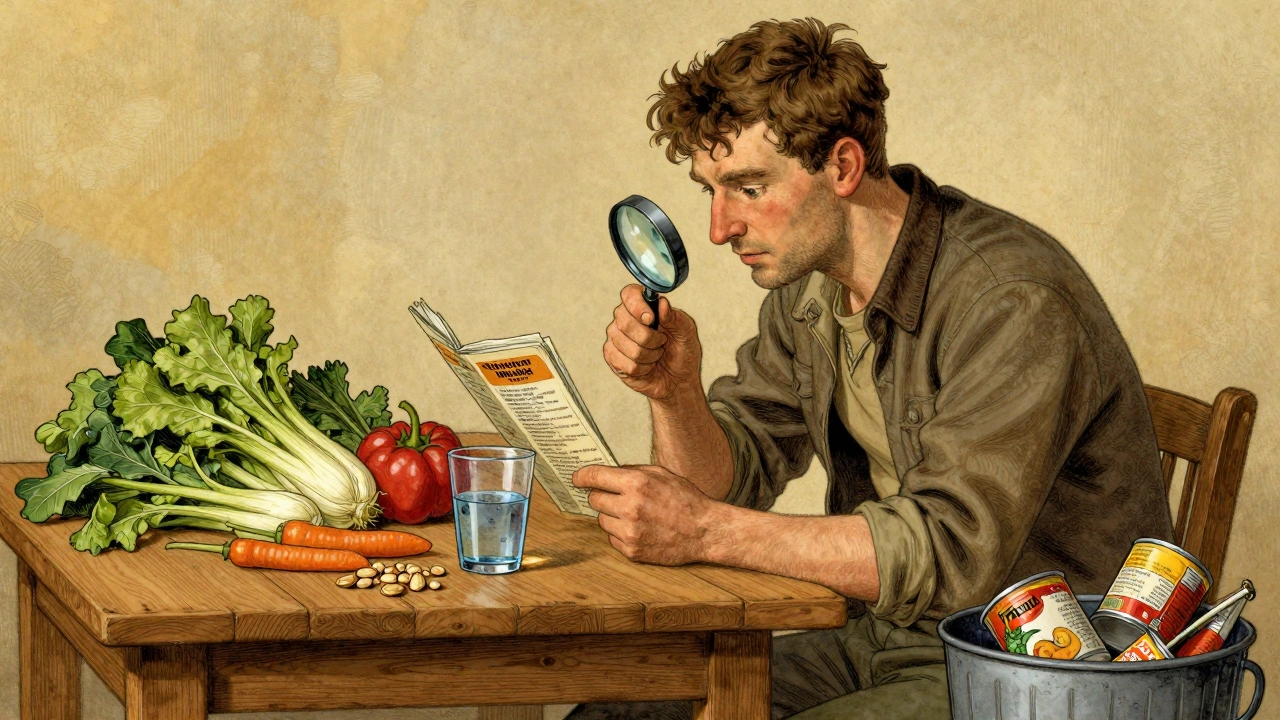
When you have Meniere's disease, a disorder of the inner ear that causes vertigo, ringing in the ears, and hearing loss. Also known as endolymphatic hydrops, it’s not just about dizziness—it’s about fluid pressure building up where it shouldn’t. The exact cause isn’t fully understood, but doctors and patients alike have seen real improvement by managing what’s in your diet. This isn’t about miracle cures. It’s about reducing the swelling in your inner ear by controlling fluid and salt levels—something you can start doing today.
One of the most consistent findings? Sodium, the main driver of fluid retention in the body is the biggest trigger. High salt intake pulls water into the inner ear, increasing pressure and making vertigo attacks worse. Most patients see fewer episodes when they cut sodium to under 1,500 mg a day. That means saying no to canned soups, processed snacks, deli meats, and restaurant meals. Even a single bag of chips can set off a flare-up. Instead, cook with fresh herbs, lemon juice, and vinegar. Read labels. If sodium is listed as one of the first three ingredients, put it back.
Fluid balance matters too. Hydration, the act of maintaining proper water levels in the body isn’t about drinking more water—it’s about drinking it steadily. Sipping water all day helps your body regulate fluid better than chugging it all at once. Avoid alcohol and caffeine—they’re diuretics that mess with your inner ear’s delicate balance. Some people also find that sugar spikes trigger symptoms. If you notice dizziness after sweets, try cutting back on soda, pastries, and even fruit juices. Dark chocolate in small amounts? Usually fine. Candy bars? Not so much.
There’s no single diet that works for everyone, but the pattern is clear: simple, whole foods win. Think vegetables, lean proteins, whole grains, and healthy fats. Avoid anything packaged, salty, or sugary. Some people benefit from magnesium-rich foods like spinach, almonds, and black beans—studies suggest magnesium helps relax blood vessels in the inner ear. Vitamin D and zinc may also play a role in supporting ear health, especially if you’re deficient. But don’t go buying expensive supplements unless your doctor confirms a deficiency. Food first.
Meniere’s isn’t cured by diet alone, but it’s one of the few tools you actually control. Unlike medications that cause drowsiness or dizziness, a good diet reduces symptoms without side effects. Patients who stick with low-sodium, low-sugar, whole-food eating often report fewer attacks, less ringing, and more stable hearing over time. It’s not about perfection. It’s about consistency. Skip the processed stuff. Cook more. Drink water slowly. Watch how you feel.
Below, you’ll find real-world advice from people who’ve lived with this condition—what worked, what didn’t, and how small changes made a big difference. No fluff. No hype. Just what helps.