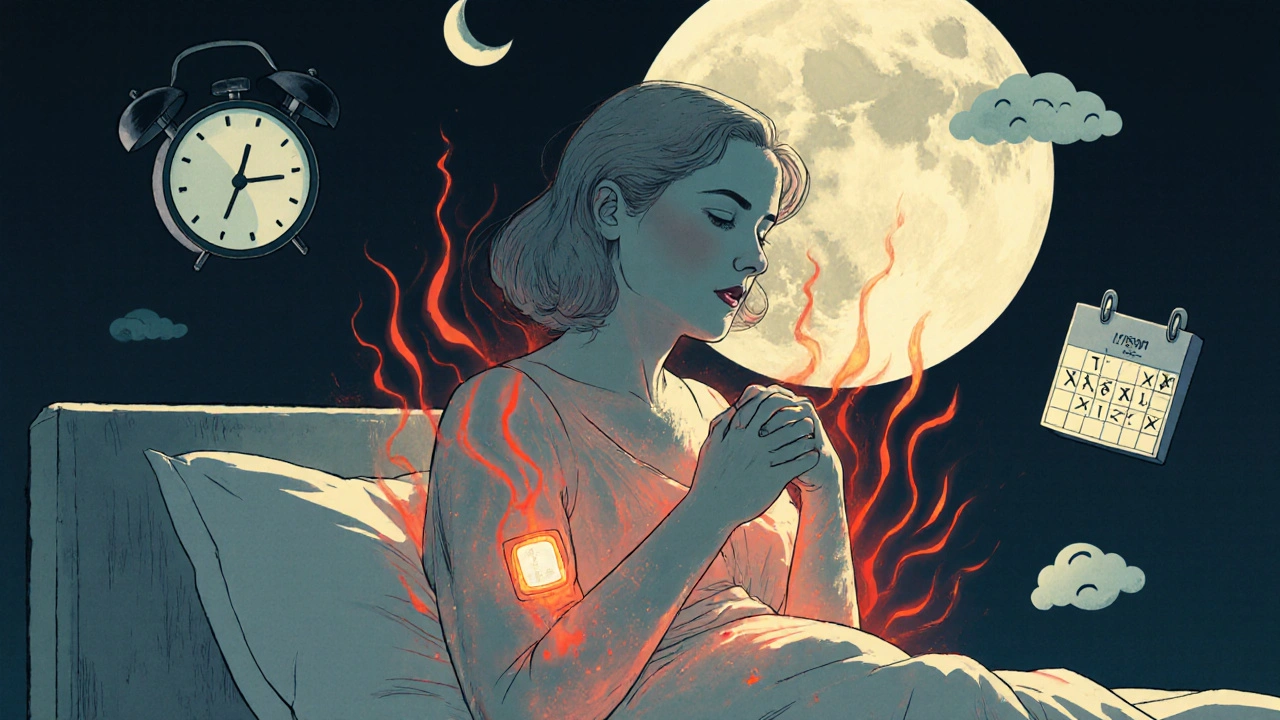
When your body stops making enough estrogen and progesterone, menopause hormone therapy, a treatment that replaces hormones your body no longer produces to ease symptoms like hot flashes and sleep disruption. Also known as hormone replacement therapy, it’s one of the most studied and commonly used approaches for managing the menopausal transition. This isn’t about slowing aging—it’s about reducing the daily discomforts that make life harder when your hormones shift.
Not everyone needs it. For some, symptoms are mild and fade on their own. For others, night sweats ruin sleep, brain fog makes work tough, and vaginal dryness affects relationships. That’s where estrogen therapy, the core component of most hormone treatments, used alone or with progesterone depending on whether you still have a uterus comes in. It doesn’t just mask symptoms—it helps protect bone density, reduces risk of osteoporosis, and can improve mood in women with severe hormonal swings. But it’s not a one-size-fits-all fix. Your age, health history, and symptom severity all matter. Starting therapy after 60 or with a history of blood clots, breast cancer, or liver disease changes the risk-benefit balance.
Many women worry about cancer or heart risks. The truth? For healthy women under 60 who start therapy close to menopause, the benefits often outweigh the risks. But long-term use, especially without regular checkups, can raise concerns. That’s why doctors now recommend the lowest effective dose for the shortest time needed. Alternatives like low-dose vaginal estrogen, certain antidepressants, or lifestyle changes (like avoiding triggers—caffeine, spicy food, heat) help too. You don’t have to choose between suffering and pills—there’s a middle ground.
What you’ll find below are real-world insights from people who’ve been there. Posts cover how hormone therapy interacts with other meds, what side effects actually show up in practice, how to tell if it’s working, and what alternatives work when hormones aren’t an option. You’ll see how blood tests, symptom tracking, and timing affect outcomes—not just theory, but what happens in clinics and kitchens and bedrooms. No fluff. Just what helps, what doesn’t, and what to ask your doctor next time you walk in.