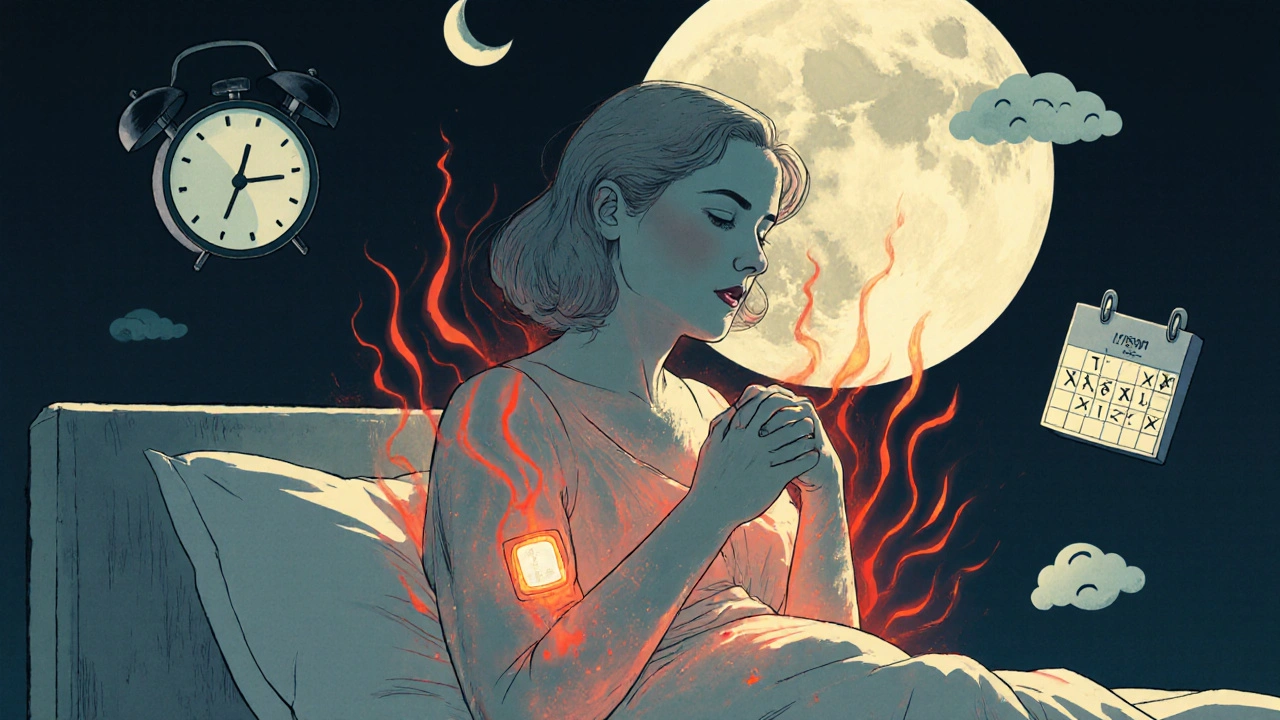
When your body stops making estrogen and progesterone, things change—fast. This is menopause, the natural end of menstrual cycles, usually between ages 45 and 55. Also known as the change of life, it’s not a disease. But the symptoms? They can feel like one.
Most women get hot flashes, sudden waves of heat, sweating, and flushing. They’re not just uncomfortable—they can wake you up at 3 a.m., ruin a meeting, or make you avoid social situations. Then there’s night sweats, drenching sleep disruptions tied to hormonal shifts. These aren’t random. They’re your body’s response to dropping estrogen levels affecting your brain’s temperature control. And they don’t just disappear after a year. For many, they last five, seven, even ten years.
It’s not just heat. Perimenopause, the years leading up to menopause, brings mood swings, brain fog, and irregular periods that make you wonder if you’re losing your mind. Sleep gets worse. Vaginal dryness shows up out of nowhere. Your bones start losing density faster. And yes, weight shifts—even if you eat the same and exercise like before. These aren’t just "getting older." They’re biological changes with real impact.
What you see in ads—hormone therapy, supplements, herbal teas—isn’t the whole story. Some women need meds. Others find relief with simple lifestyle tweaks: cooling bedding, cutting caffeine, walking daily. No one-size-fits-all fix exists. But knowing what’s normal helps you ask the right questions and avoid scams selling miracle cures.
The posts below don’t just list symptoms. They show you what’s behind them, what actually works, and what’s just noise. You’ll find real data on how certain drugs affect hormone-related side effects, what blood tests might reveal about your transition, and how other women manage this phase without losing their quality of life. No fluff. No marketing. Just what you need to know to move through menopause with more control, less confusion, and fewer sleepless nights.