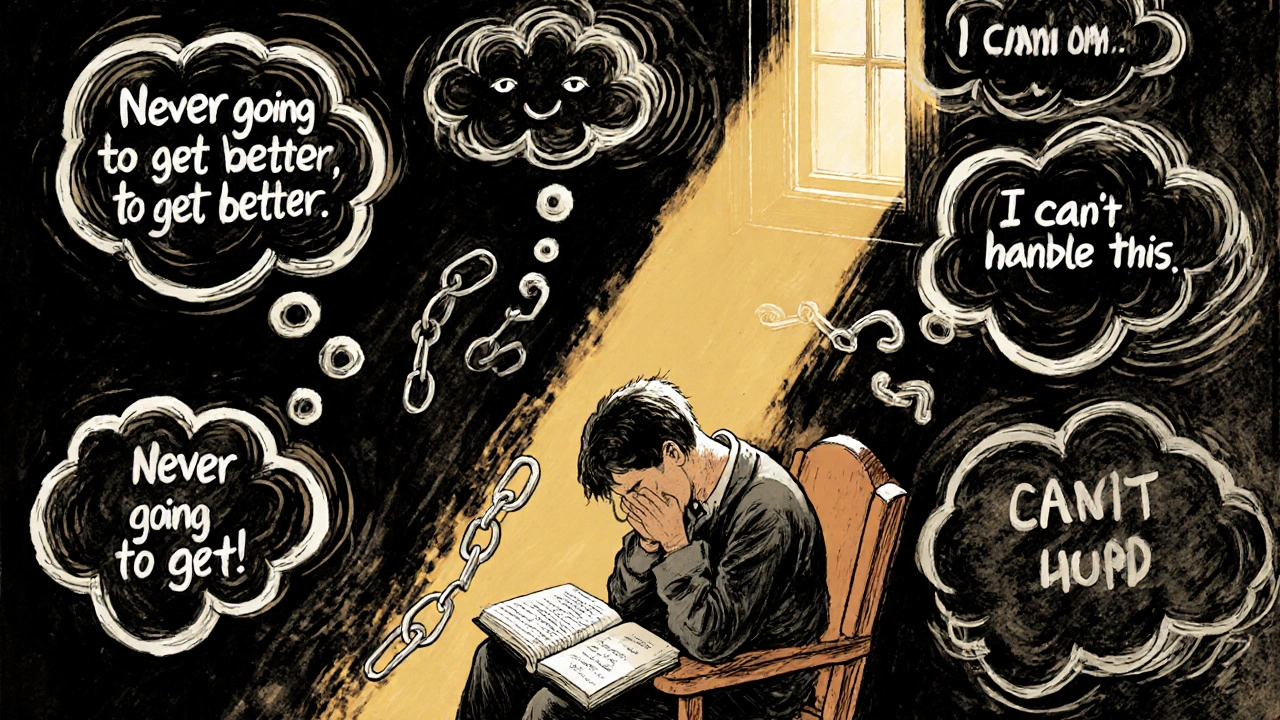
When you’re in pain, it’s not just your body that suffers—it’s your sleep, your mood, your ability to move, and even your sense of control. Pain distress reduction, the process of lessening the physical and emotional burden of pain through medical, behavioral, or lifestyle strategies. It’s not about eliminating pain completely, but about regaining your life despite it. Many people assume pain is just something you have to endure, but that’s not true. Effective pain distress reduction combines the right treatment, timing, and understanding of what’s causing the pain in the first place.
One major factor in pain distress is medication safety, how properly prescribed drugs are used—or misused—when managing pain. drug side effects can turn a helpful treatment into a new problem. For example, statins are often blamed for muscle pain, but studies show most of that pain isn’t actually from the drug. Similarly, antibiotics like amoxicillin-clavulanate can cause liver injury, and opioids carry serious risks if not monitored. Knowing what’s safe, what’s not, and when to question a prescription is part of pain distress reduction. Then there’s natural pain relief, non-pharmaceutical options like herbal supplements, physical therapy, or topical treatments. Rumalaya Forte and other herbal remedies are popular, but they’re not all created equal. Some work well for joint pain, others don’t. And while CBD topicals or fish oil might help reduce inflammation, they won’t fix a pinched nerve. You need to know what fits your body, your condition, and your risk profile.
Pain isn’t just a symptom—it’s a signal. Neck pain from cervical strain? That’s posture or movement gone wrong. Joint pain from gout? That’s uric acid crystals building up. Chronic pain in kidney disease? That’s fluid retention and nerve pressure. Each cause needs a different approach. That’s why pain distress reduction isn’t one-size-fits-all. It’s about matching the right tool to the right problem. Some people need diuretics and salt control. Others need retinoids for skin-related nerve pain. A few need blood tests to monitor hydroxyurea or statin side effects before they become dangerous.
You’ll find real stories here—not guesses. Posts that explain why so many people are wrongly told they’re allergic to penicillin. Why baseline CK tests matter before starting statins. How to tell if your pain is from the drug or something else. What natural options actually have science behind them. And how to avoid the traps of misinformation, overmedication, or unnecessary fear. This isn’t about quick fixes. It’s about building a smart, sustainable plan to live better, even when pain is part of your daily life.