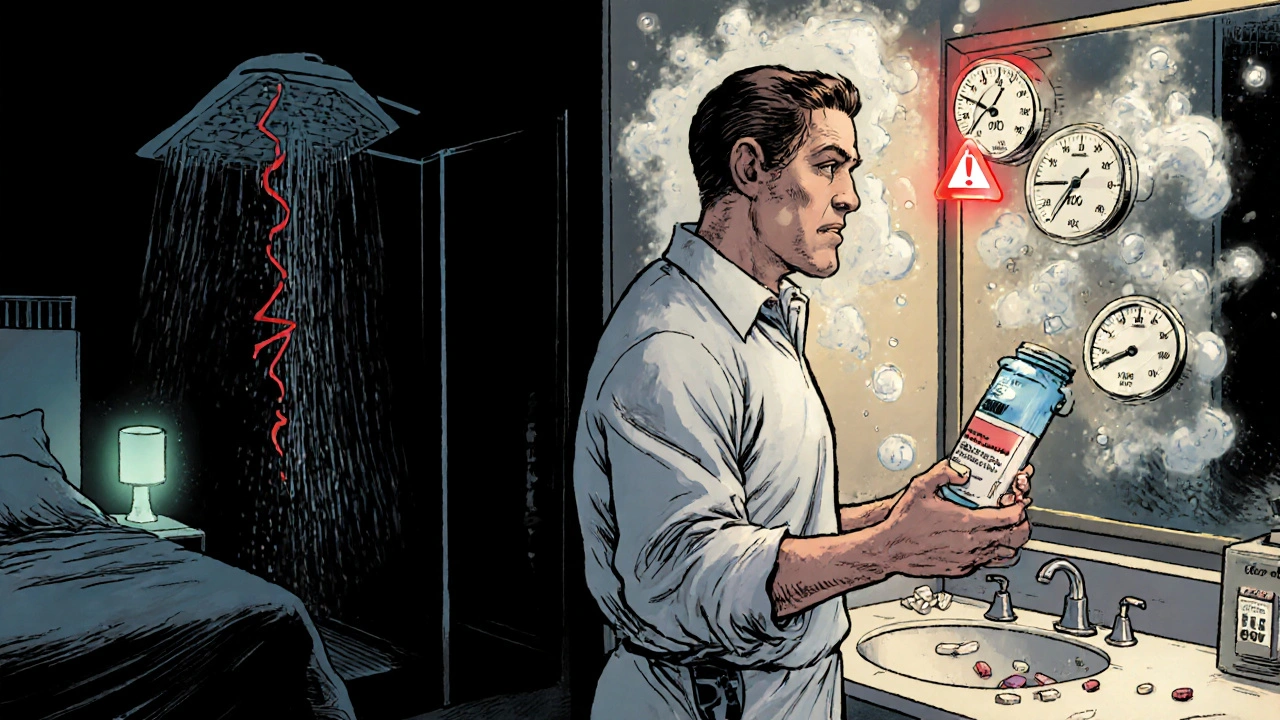
When you buy medicine, the label doesn’t tell you everything. Pharmaceutical storage, the practice of keeping medications in conditions that preserve their strength and safety. Also known as drug storage, it’s not just about putting pills in a cabinet—it’s about stopping them from breaking down before you even take them. A pill left in a hot bathroom or a cold car can lose potency, turn toxic, or even grow mold. The FDA and WHO both say improper storage is one of the top reasons medications fail to work—or cause harm.
Temperature control, the requirement to keep drugs within specific heat ranges is critical. Most pills are fine at room temperature (68–77°F), but insulin, some antibiotics, and liquid suspensions need refrigeration. On the flip side, storing them in the freezer can ruin them. Humidity, the amount of moisture in the air is just as dangerous. Bathrooms and kitchens are the worst places for storage—steam from showers and cooking can soften capsules and make tablets crumble. A bedroom drawer or a closet shelf away from windows is far safer.
Expiration dates, the date by which a drug is guaranteed to be fully potent and safe aren’t just suggestions. Many people think expired meds are harmless, but studies show some degrade into harmful compounds. Antibiotics like tetracycline can become toxic. Even painkillers lose strength over time. Always check the date. If it’s past, toss it. Don’t wait until you need it.
Childproofing matters too. Kids don’t know the difference between candy and pills. A single accidental dose of certain medications can land a child in the ER. Use original containers with child-resistant caps. Never transfer pills to unmarked containers like pill organizers unless you’re actively using them that day. And if you have elderly family members, make sure labels are large and clear—or use a pill dispenser with alarms.
What about travel? If you’re flying, never pack meds in checked luggage. Temperatures in cargo holds can drop below freezing or spike over 120°F. Carry them in your carry-on, and keep them in their original bottles with your name on the label. Same goes for road trips—don’t leave your pills in the glove box on a summer day. Keep them in the AC cabin, not the trunk.
Some drugs need special handling. Eye drops, insulin pens, and injectables often come with specific instructions. Some must be discarded after 28 days, even if they still have liquid left. Others need to be shaken before use. Always read the insert. If you’re unsure, ask your pharmacist. They see this every day.
And don’t forget disposal. Flushing meds down the toilet pollutes water supplies. Throwing them in the trash is better, but not perfect. The best way? Mix pills with coffee grounds or cat litter in a sealed bag, then toss them. Many pharmacies now offer take-back bins. Use them.
Understand this: pharmaceutical storage isn’t about perfection. It’s about avoiding the obvious mistakes that cost lives. A pill that’s too hot, too damp, or too old won’t help you. It might hurt you. The posts below show real cases where poor storage led to failure, danger, or wasted money—and how to fix it before it happens to you.