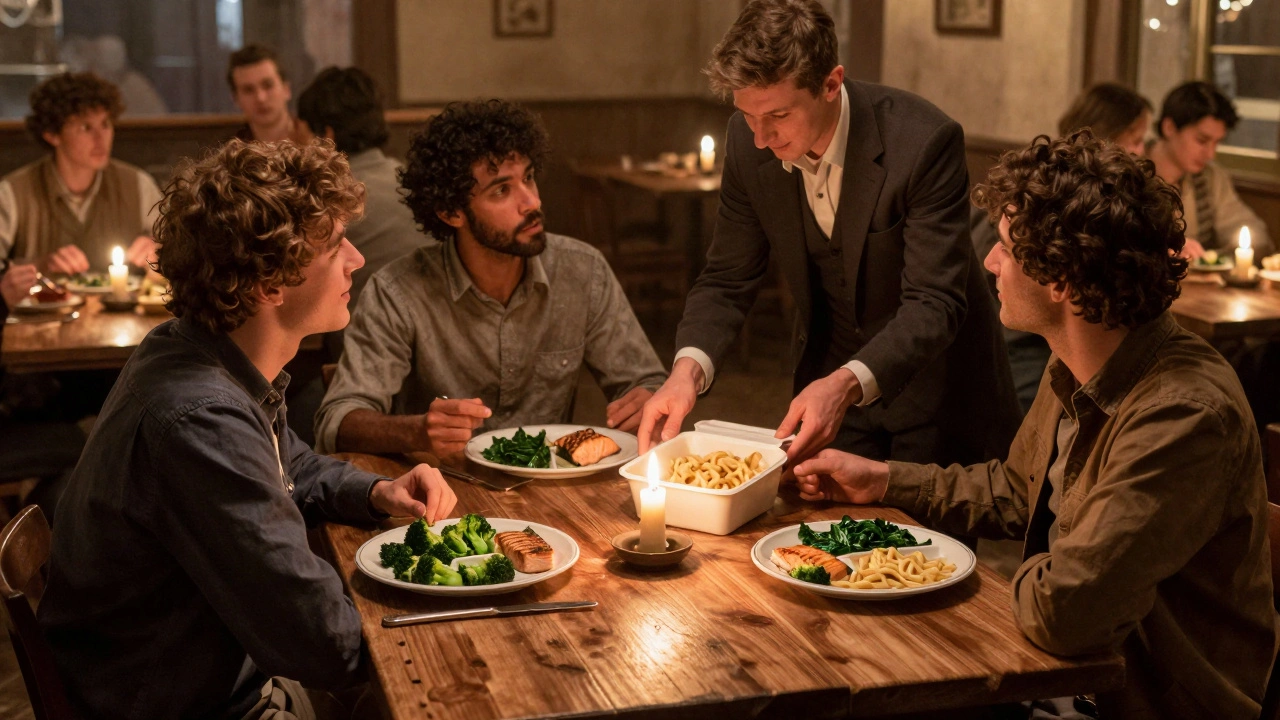
When you hear portion control, the practice of managing the amount of food you eat to match your body’s actual needs. It’s not a diet. It’s not about cutting out your favorite foods. It’s simply learning how much your body really needs to feel full, energized, and healthy. Most people eat more than they think—because plates are bigger, servings are larger, and snacks are always within reach. You don’t need willpower to fix this. You need awareness.
Calorie awareness, knowing how much energy your food actually contains is the first step. You don’t have to count every calorie, but you do need to recognize that a bag of chips isn’t one serving—it’s three. A restaurant entree isn’t one meal—it’s two. Mindful eating, paying attention to hunger cues and how food tastes helps you stop when you’re satisfied, not stuffed. Studies show people who eat slowly and without distractions feel full sooner and eat less overall.
Portion control isn’t just for weight loss. It’s for preventing diabetes, reducing blood pressure, and lowering your risk of heart disease. Even if you’re eating healthy foods, too much of them still adds up. A cup of brown rice isn’t bad—but three cups? That’s over 600 calories. A handful of almonds is great—but a whole bag? That’s a meal’s worth of fat and calories. The trick is learning what a real serving looks like. Use your hand: a palm for protein, a fist for veggies, a cupped hand for carbs, a thumb for fats. No tools needed.
People who stick with portion control don’t rely on strict rules. They make small, smart adjustments. They use smaller plates. They serve food in the kitchen, not at the table. They wait 20 minutes before going for seconds. They keep snacks out of sight. These aren’t tricks—they’re habits. And they work because they fit into real life, not a fantasy version of it.
What you’ll find below are real, practical guides on how food quantity affects your health—from how drugs interact with what you eat, to how storage conditions can change your food’s nutritional value, to why some people lose weight without dieting. These aren’t theories. They’re experiences. People who figured out how to eat less, feel better, and keep it up. No gimmicks. No fasting. Just smarter portions.