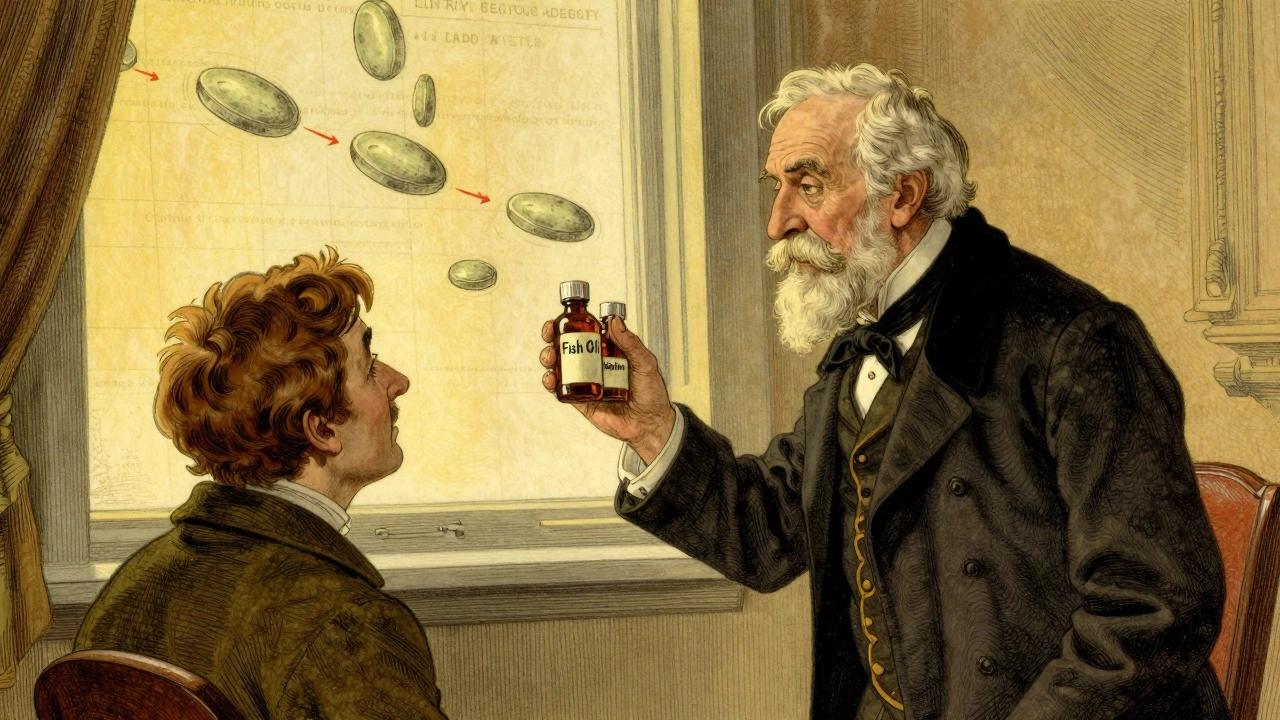
When you take a supplement interaction, a change in how a supplement affects your body when combined with a medication. Also known as herbal-drug interaction, it can make your medicine work too well, too little, or even cause harm—without you realizing it. This isn’t just about CBD or fish oil. It’s about what’s in your medicine cabinet right now.
Many people think supplements are harmless because they’re "natural." But CBD, a compound from cannabis that affects liver enzymes can slow down how your body breaks down blood thinners, seizure meds, or even antidepressants. The same goes for vitamin K, a nutrient that directly opposes the effect of warfarin. If you’re on blood thinners, even a daily green smoothie can throw your levels off. And don’t forget St. John’s wort, an herbal remedy for mood that cuts the effectiveness of birth control, HIV drugs, and transplant medications. These aren’t rare cases—they’re documented in clinical reports.
It’s not just about what you take—it’s about timing, dose, and your body’s unique chemistry. Someone on statins might handle garlic supplements fine, while another person ends up with muscle pain or liver stress. A 2024 study found nearly 1 in 5 adults on prescription meds also took supplements, and less than 10% told their doctor. That gap is where the risks hide. You might think your magnesium helps with sleep, but if you’re on a kidney medication, it could build up to toxic levels. Or maybe you’re taking melatonin for jet lag, but it’s making your diabetes meds less effective.
There’s no universal rule. What’s safe for one person can be dangerous for another. The key is knowing what’s in your supplements and checking them against your meds. You don’t need to stop everything—but you do need to ask the right questions. Below, you’ll find real cases from patients who learned the hard way: how cannabis messed with their seizure drugs, why vitamin D can interfere with thyroid meds, and which herbal pain relievers are safer than others when you’re on blood pressure pills. These aren’t theories. They’re stories from people who got answers before something went wrong.