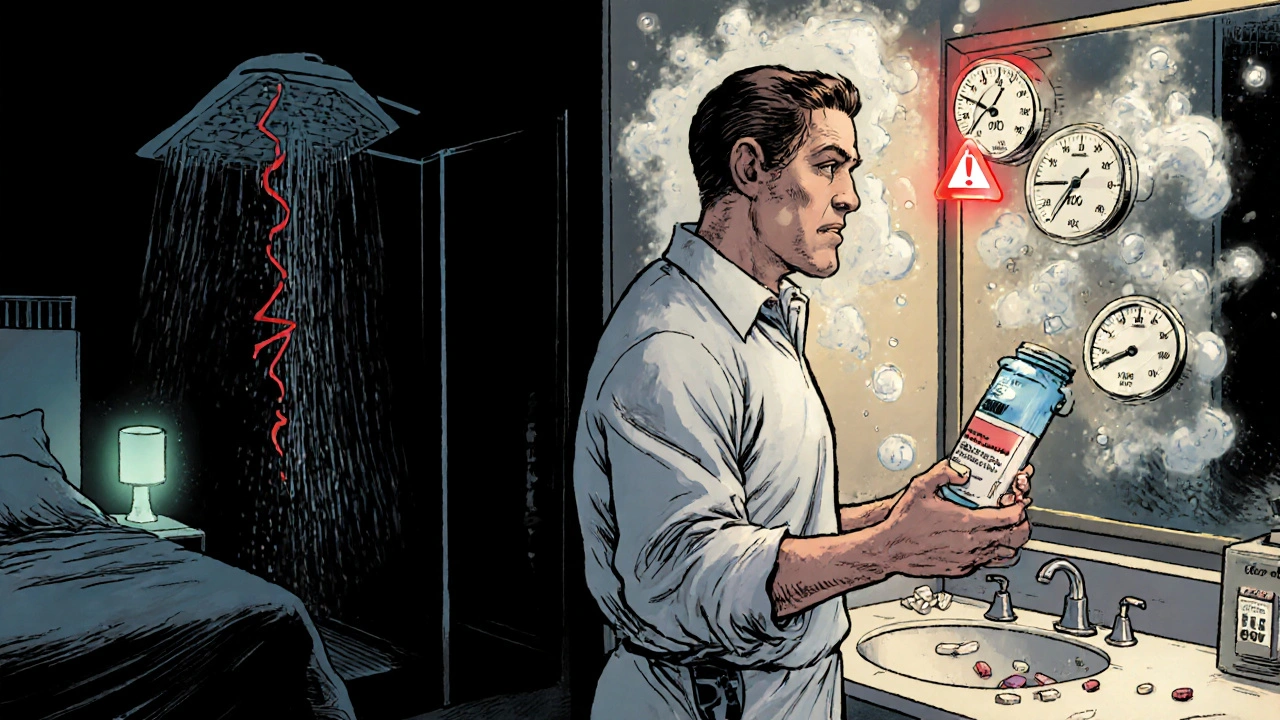
When you think about temperature control, the practice of maintaining specific thermal conditions to preserve the integrity of sensitive substances. Also known as thermal management, it's not just for labs or warehouses—it’s a daily requirement for keeping your pills, injections, and creams working as they should. If your insulin gets too hot, your antibiotics lose potency, or your nitroglycerin sits in a hot car, you’re not just wasting money—you’re risking your health.
Medication storage, how drugs are kept under proper environmental conditions from pharmacy to home directly affects drug stability, how long a medication retains its intended chemical structure and effectiveness. Many drugs, like insulin, epinephrine, and certain antibiotics, break down fast when exposed to heat or humidity. The FDA and WHO have clear guidelines: most tablets and capsules should stay below 25°C (77°F), while refrigerated meds like vaccines and some biologics need 2–8°C. But here’s the catch—most people don’t check. A study in the Journal of Clinical Pharmacy and Therapeutics found over 60% of patients store insulin in kitchen cabinets, not the fridge, even when instructions say otherwise. That’s not just careless—it’s dangerous.
And it’s not just about storage. pharmacovigilance, the science of detecting, assessing, and preventing adverse effects of medications after they’re on the market relies on accurate temperature data. If a batch of pills is exposed to extreme heat during shipping, those side effects you report—dizziness, nausea, or worse—might not be from the drug itself, but from a degraded compound. That’s why manufacturers track temperature logs from factory to pharmacy. If you’re taking a drug that’s temperature-sensitive, ask your pharmacist: "Was this kept cool?" It’s a simple question that can save you from a bad reaction.
Then there’s drug interactions, how one substance changes the way another works in your body. Heat can change how fast your body absorbs a drug. If you’re on a blood thinner like warfarin and your meds got too warm, your INR levels could spike without you knowing. Same with seizure meds or antidepressants—tiny changes in drug structure from heat exposure can shift how they bind to receptors. You might feel fine, but your body’s chemistry isn’t.
You don’t need a lab to get this right. Keep meds in a cool, dry place—like a bedroom drawer, not the bathroom. Avoid leaving them in the car, even for 20 minutes. If you’re traveling, use a small cooler with a cold pack. Check expiration dates more often if your meds have been near a window or heater. And if you notice a pill looks crumbly, smells odd, or doesn’t work like it used to—don’t take it. Report it. That’s how pharmacovigilance systems catch problems before they hurt more people.
Below, you’ll find real-world guides on how temperature control ties into everything from insulin safety to how your body reacts to drugs after they’ve been mishandled. These aren’t theoretical tips—they’re lessons from people who’ve been there, and from the data that keeps millions safe.