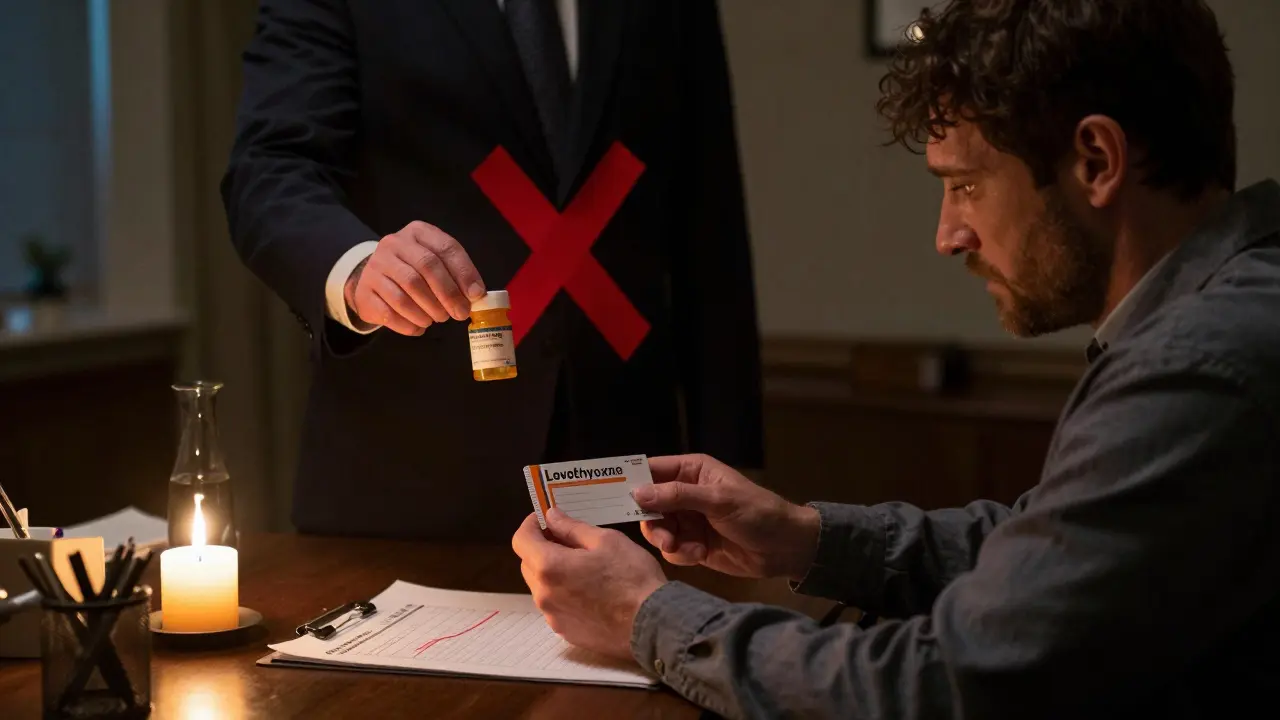
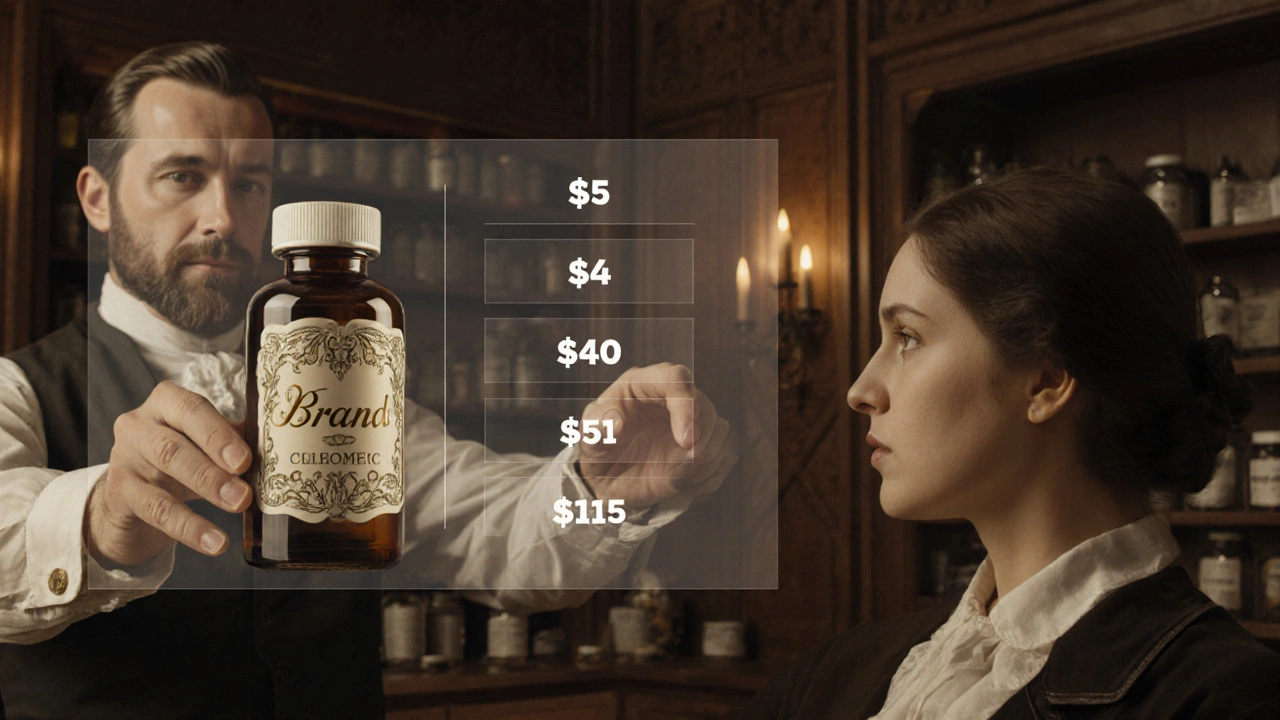
When you hear brand-name drugs, prescription medications sold under a company’s trademarked name, often after years of research and clinical trials. Also known as originator drugs, they’re the first version of a medicine to hit the market, protected by patents that block cheaper copies for up to 20 years. That’s why you see ads for Lipitor, Prozac, or Sinemet — these aren’t just drug names, they’re business brands. But here’s the thing: once the patent runs out, the exact same chemical starts showing up as a generic drug, a copy of the brand-name version that must meet the same FDA standards for safety, strength, and quality. Also known as nonproprietary drugs, they’re often 80% cheaper and work just as well. So why do so many people stick with the brand? Cost isn’t the only factor — some patients feel more confident with the name they’ve known for years, or their doctor has a preference. But the science says: if your pill has the same active ingredient, dosage, and delivery method, it’s the same medicine.
The FDA approval, the official process by which the U.S. Food and Drug Administration evaluates whether a drug is safe and effective for public use. Also known as drug licensing, it applies equally to brand-name and generic versions doesn’t care if the pill is blue or white, if it’s made in New Jersey or India, or if it says "Lipitor" or "atorvastatin" on the label. What matters is the active ingredient, how fast it dissolves, and whether it does what it’s supposed to. That’s why you see posts here about Sinemet, isosorbide mononitrate, and abacavir — all originally brand-name drugs that now have generic versions available. The FDA even issues warning letters to companies that mislabel or cut corners, whether they’re selling the original or the copy. You don’t need to pay extra for trust — you need to know what’s in the bottle.
Brand-name drugs aren’t bad. They’re often the first step in treating a condition, especially when a new therapy comes out. But they’re not always the best long-term choice. If you’re on a chronic medication — say, for high blood pressure, depression, or Parkinson’s — switching to a generic can save you hundreds a year without any loss in effectiveness. Some people worry about side effects changing, but the FDA requires generics to perform within 80–125% of the brand’s effect. That’s a tight range. If your body reacts differently, it’s likely due to inactive ingredients, not the medicine itself. That’s why posts here cover everything from statin intolerance to finasteride alternatives — because knowing your options means you’re not stuck paying more for the same result.
So what should you do? Ask your doctor if a generic is available. Check with your pharmacy — sometimes the generic is cheaper even without insurance. Look up the active ingredient on your prescription and search for it online. You’ll find that most of the drugs mentioned in our posts — hydroxyurea, allopurinol, tamoxifen, seroquel — have affordable generic versions that work just as well. You don’t need to believe in branding to believe in results. The medicine doesn’t change. Only the price does.
Below, you’ll find real-world comparisons of brand-name drugs and their alternatives — from Sinemet to Cialis Sublingual, from Effexor to Viagra. No fluff. Just facts, cost breakdowns, and what actually works for people like you.