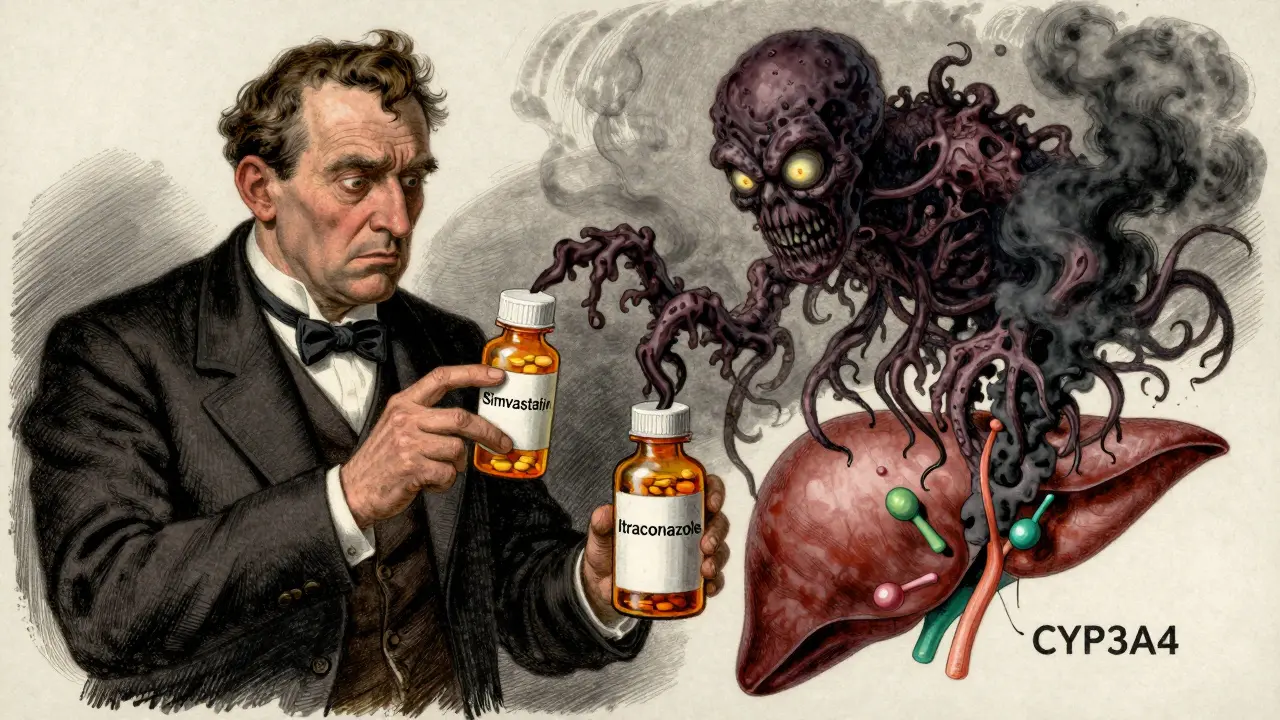
When you take a statin, a class of drugs used to lower LDL cholesterol and reduce heart attack risk. Also known as HMG-CoA reductase inhibitors, they’re among the most prescribed medications in the world—but not everyone tolerates them. Many people stop taking statins because of muscle pain, but studies show that in most cases, the pain isn’t actually caused by the drug. The real issue? Misattribution. People feel sore after starting a statin, assume it’s the medication, and quit—often without testing other causes like vitamin D deficiency, thyroid issues, or even overtraining.
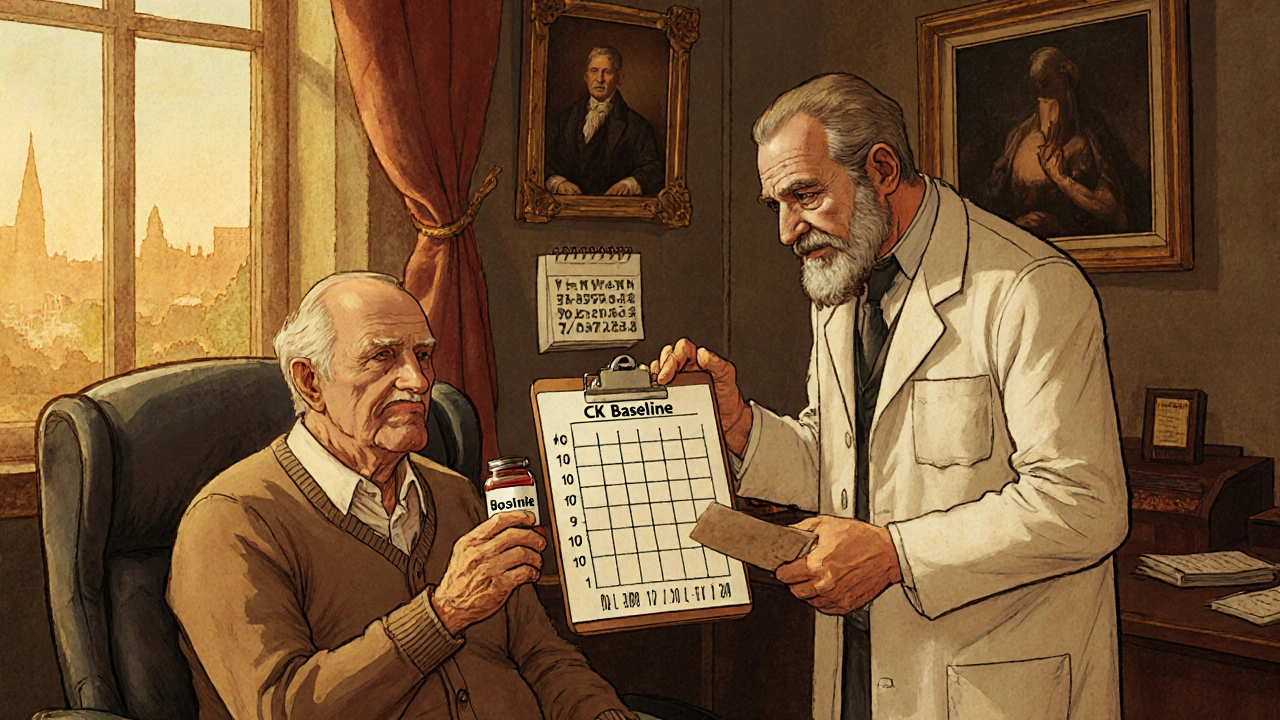
Statin intolerance, a true inability to tolerate statins due to documented muscle damage or severe side effects affects only about 5-10% of users. For the rest, switching to a different statin, lowering the dose, or taking it every other day can make a big difference. If you’re struggling, don’t just stop. Talk to your doctor about checking your CK levels, reviewing your supplements (like CoQ10), and ruling out other triggers. And if statins truly aren’t an option, there are non-statin cholesterol meds, effective alternatives like ezetimibe, PCSK9 inhibitors, or bempedoic acid that work without the muscle side effects. These aren’t last resorts—they’re proven tools backed by clinical data.
Statin safety isn’t about avoiding the drug entirely—it’s about using it wisely. Your body’s response matters more than a generic prescription. If you’ve been told you’re "statin intolerant," ask for the evidence. Was your muscle pain confirmed with blood tests? Did you try a different statin? Were other causes ruled out? Too often, people are labeled as intolerant without ever getting a real assessment. The good news? You don’t have to live with high cholesterol or fear side effects. There’s a path forward, and it starts with asking the right questions.
Below, you’ll find real-world guides on how to test for statin intolerance, what alternatives actually work, and how to tell if your muscle pain is really from the medication—or something else entirely. These aren’t theoretical opinions—they’re based on patient experiences, clinical studies, and updated safety data from 2024 and 2025. Whether you’re considering stopping your statin, already stopped, or just want to understand the risks better, you’ll find clear, no-fluff answers here.