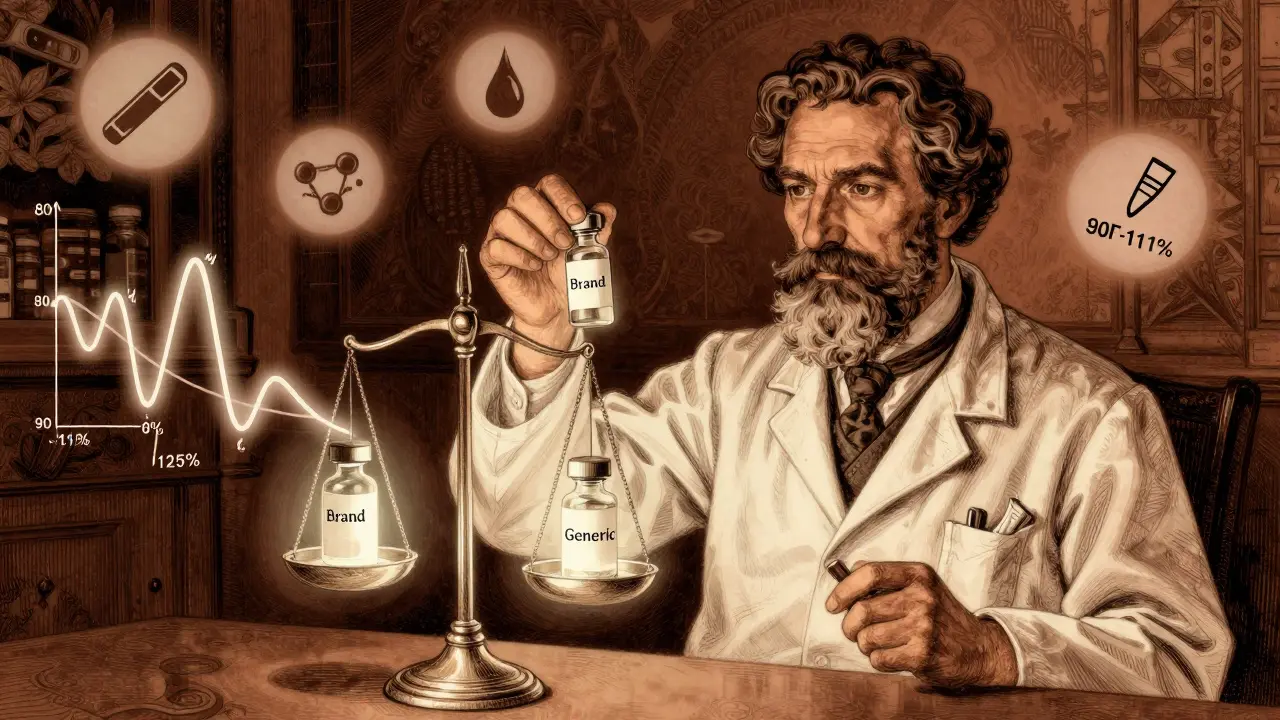
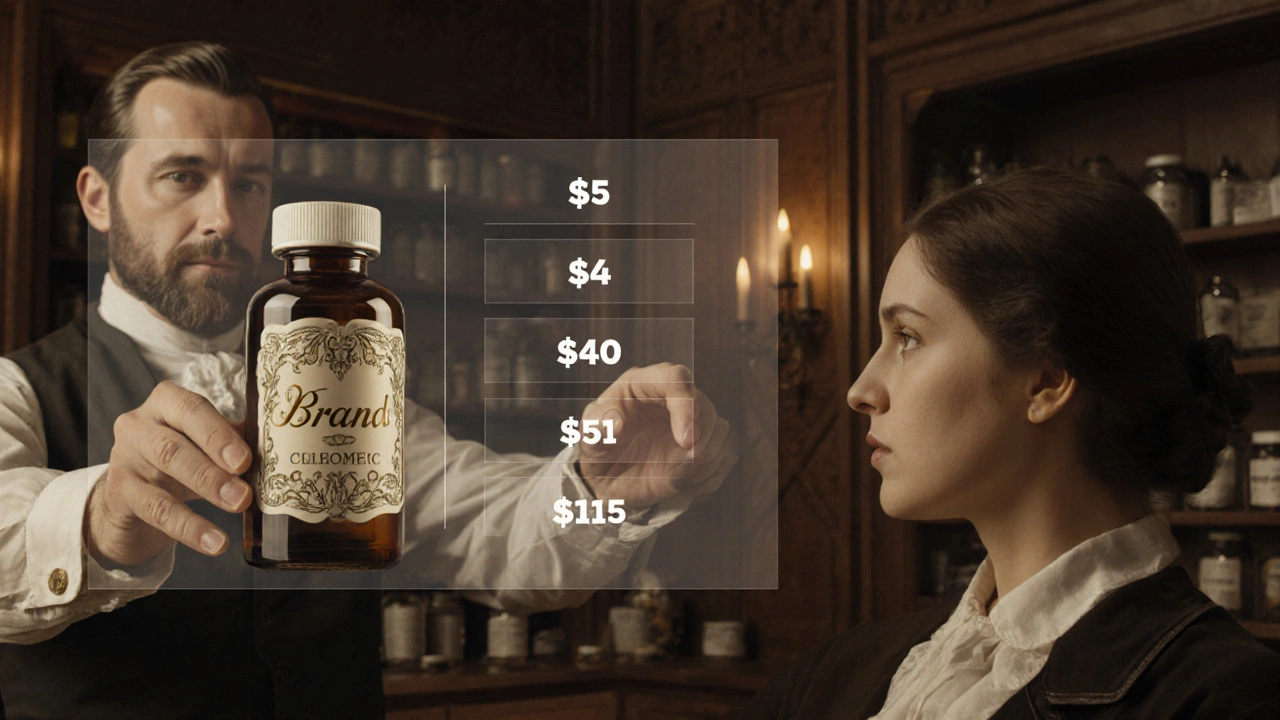
When you hear generic drugs, medications that contain the same active ingredients as brand-name pills but are sold under their chemical name. Also known as generic medications, they are approved by the FDA to work just like the original, but often cost 80% less. Most people don’t realize that the blue pill you get at the pharmacy for $5 is the exact same medicine as the $50 brand-name version—same chemistry, same effects, same risks. The only differences? The color, the shape, and the price tag.
FDA approval, the process that ensures generic drugs meet the same safety, strength, and quality standards as brand-name drugs isn’t a formality—it’s a strict requirement. Every generic must prove it delivers the same amount of active ingredient into your bloodstream at the same rate as the original. No shortcuts. No guesswork. That’s why a generic version of lisinopril or metformin works just as well as the brand. But here’s the catch: not every online seller follows these rules. Some sites sell fake generics that contain no active ingredient, or worse, toxic fillers. That’s why knowing where to buy matters as much as knowing what you’re buying.
Online pharmacy, a digital pharmacy that ships medications directly to your door, often at lower prices than local stores is how many people access affordable generics today. But not all are legal. Legit ones require a prescription, display a physical address, and are licensed by your state’s board of pharmacy. The ones that don’t? They’re selling counterfeit versions of brand name drugs, medications originally developed and marketed by pharmaceutical companies under a patent-protected name like Effexor, Seroquel, or Viagra—drugs you’ll find listed in the posts below. These aren’t hypothetical risks. People get sick from fake pills. Some even die.
What you’ll find in the collection below isn’t just a list of articles—it’s a practical guide to navigating the world of affordable medication. You’ll see how generic drugs stack up against brand names in real-world use, from Parkinson’s treatment to cholesterol control. You’ll learn how to spot safe online pharmacies in Australia and how to verify expiration dates on free samples. You’ll read about alternatives to expensive drugs like Sinemet, Tamoxifen, and Cialis, and why some patients switch to generics without losing effectiveness. You’ll also find warnings about dangerous interactions—like how cannabis can mess with your generic blood thinners, or how cheap sildenafil might not be sildenafil at all.
This isn’t about cutting corners. It’s about cutting costs without cutting safety. Whether you’re managing chronic kidney disease with allopurinol, dealing with statin intolerance, or trying to afford your antidepressant, the truth is simple: you don’t need to pay more for the same medicine. But you do need to know how to get it right.