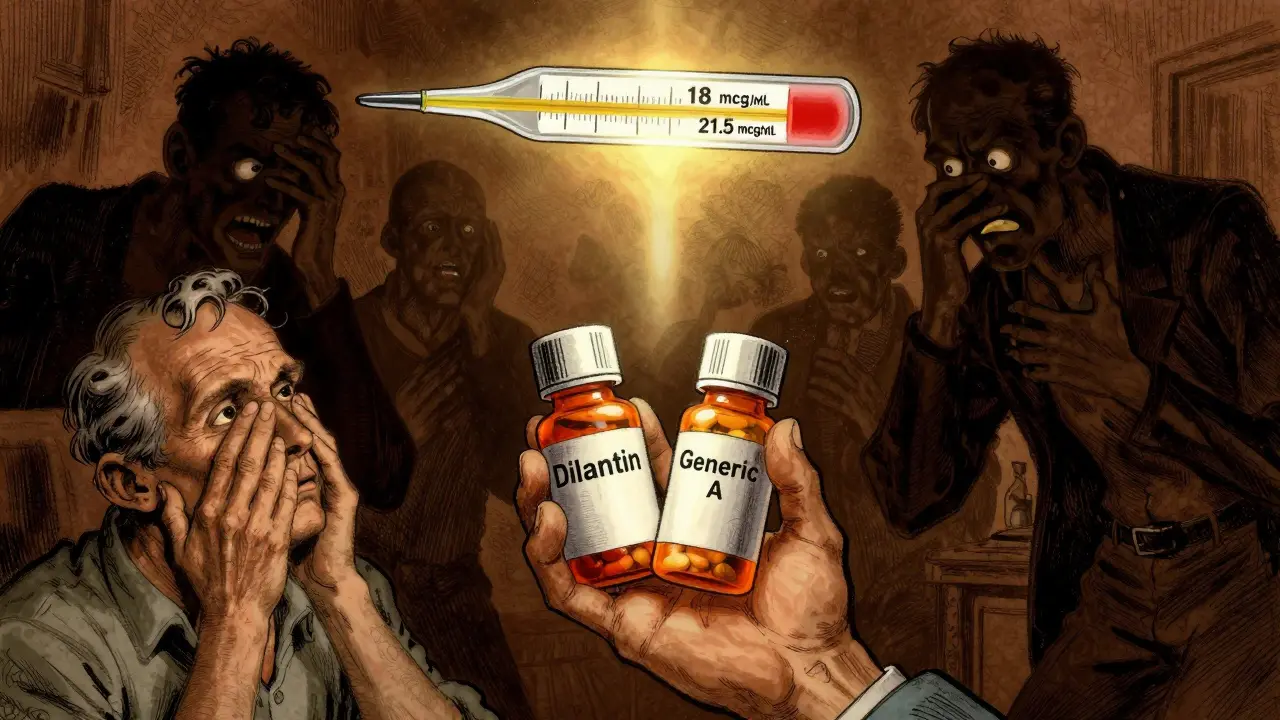
When a drug has a narrow therapeutic index, a small difference between the dose that works and the dose that causes harm. Also known as narrow therapeutic window, it means your body can’t tolerate much variation—too little and the drug doesn’t work, too much and you risk serious side effects or even toxicity. This isn’t just a technical term—it’s a safety red flag that affects real people taking real medications every day.
Drugs with a narrow therapeutic index include warfarin, lithium, digoxin, phenytoin, and cyclosporine. These aren’t rare oddities—they’re common treatments for conditions like heart failure, seizures, organ transplants, and mood disorders. What makes them tricky is how easily factors like age, kidney function, other drugs, or even what you eat can change how your body handles them. For example, the FDA Orange Book, the official list of approved generic drugs and their therapeutic equivalence ratings helps pharmacists and doctors know which generics can be swapped safely. But if a drug has a narrow therapeutic index, even an FDA-approved generic might need special monitoring because tiny differences in absorption can matter.
That’s why patients on these drugs often need regular blood tests. It’s not about being paranoid—it’s about precision. A dose that worked last month might be too high now if you started a new antibiotic, changed your diet, or lost weight. medication interactions, how one drug affects how another is processed by your body are especially dangerous here. A calcium channel blocker like verapamil can slow down the clearance of digoxin, pushing levels into toxic range. Grapefruit juice, some antibiotics, or even herbal supplements can do the same. That’s why the posts below cover real-world cases: how states manage generic drug costs without risking safety, how drug recalls happen when quality slips, and why some medications need strict monitoring even when you feel fine.
If you’re on a drug with a narrow therapeutic index, you’re not alone. Millions are. But many don’t realize how delicate the balance is. The articles here give you the facts—not theory—about what to watch for, when to ask for blood tests, how to spot dangerous interactions, and how to talk to your pharmacist about substitutions. You’ll find practical advice on avoiding mistakes, understanding lab results, and knowing when a generic isn’t safe to switch to. This isn’t about fear. It’s about control. And it starts with knowing what a narrow therapeutic index really means for you.