Medication Safety: Protect Your Health with Smart Storage, Interactions, and Monitoring
When it comes to medication safety, the practice of using drugs correctly to avoid harm while maximizing benefit. Also known as drug safety, it’s not just about following the label—it’s about understanding how your environment, other substances, and your body’s response can turn a helpful medicine into a hidden risk. Many people think if the pill is approved and prescribed, it’s automatically safe. But that’s not true. A drug stored in a hot bathroom cabinet can lose potency. A supplement you take with your blood thinner might cause dangerous bleeding. Skipping a blood test while on hydroxyurea could let life-threatening side effects go unnoticed until it’s too late.
Drug storage, how medications are kept to maintain their strength and safety. Also known as pharmaceutical storage, it’s often ignored until something goes wrong. Heat, moisture, and light don’t just ruin your coffee—they degrade pills, patches, and liquids. That bottle of insulin left on the counter? It might not work. Your antibiotics stored above the stove? They could be half-dead by the time you take them. Proper storage isn’t optional—it’s part of your treatment plan. And it’s not just about temperature. Humidity control matters too. A damp bathroom isn’t a pharmacy. A cool, dry drawer is.
Medication interactions, when one drug changes how another works in your body. Also known as drug interactions, they’re silent killers. Cannabis might mess with your seizure meds. Grapefruit juice can turn your cholesterol pill into an overdose. Even common painkillers can clash with blood thinners. You don’t need a medical degree to spot the warning signs—if you feel off after starting something new, it might not be your body adjusting. It might be a hidden conflict. That’s why knowing what you’re mixing matters more than you think.
Blood test monitoring, regular lab checks to catch hidden side effects before they become emergencies. Also known as medication monitoring, it’s the safety net most people forget they have. If you’re on hydroxyurea, allopurinol, or even statins, your body is changing under the surface. Your white blood cells might be dropping. Your liver might be stressed. Your kidneys might be struggling. But you feel fine. That’s why tests aren’t just routine—they’re lifesaving. Skipping them because you ‘feel okay’ is like driving without checking your brakes.
Medication safety isn’t about fear. It’s about awareness. It’s knowing that your pill’s effectiveness depends on where you keep it. That your new supplement might be as risky as a new drug. That feeling fine doesn’t mean everything’s fine. The posts below give you the real, no-fluff facts: how to store meds correctly, which combinations to avoid, when blood tests are non-negotiable, and what to do when side effects show up. No jargon. No guesswork. Just what you need to stay safe and in control.
Medication Safety Basics: How to Use Prescription Drugs Responsibly
Jan, 31 2026
Medications
Bob Bond
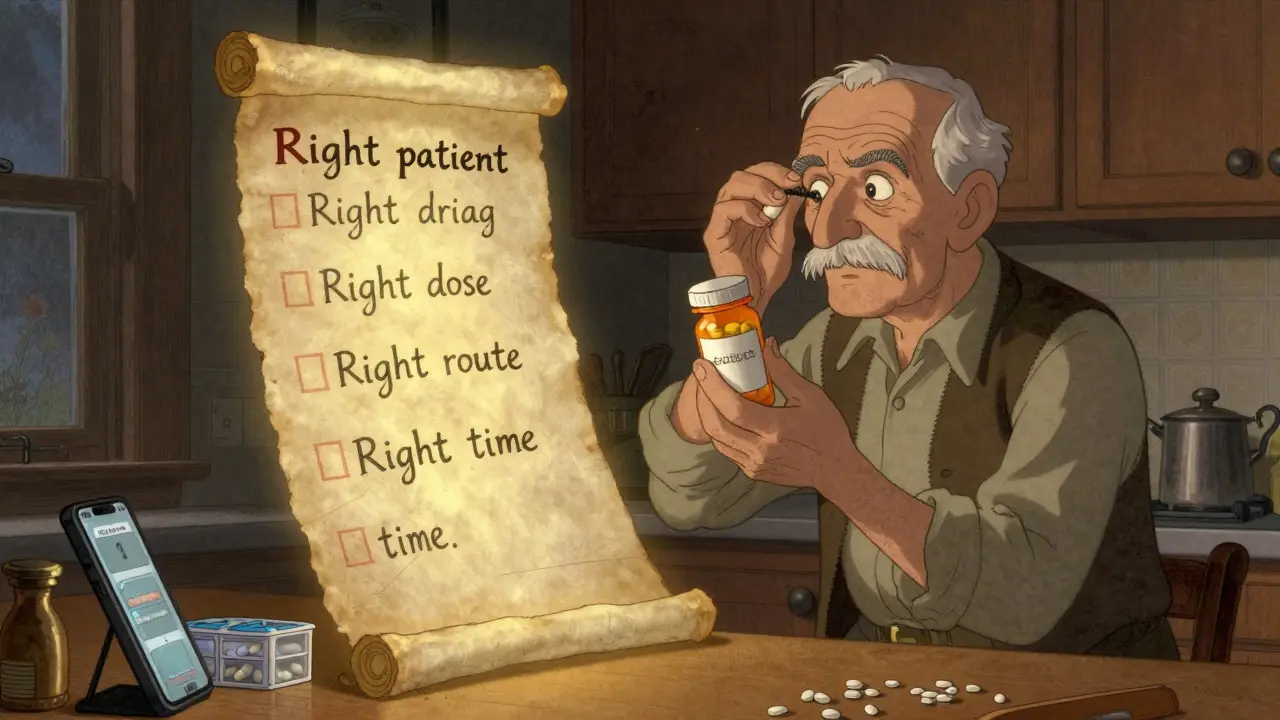
Learn how to use prescription drugs safely with practical steps to avoid errors, interactions, and side effects. From knowing your meds to using pill organizers, this guide helps you take control of your medication routine.
Drug Allergies vs. Side Effects: How to Tell Them Apart and Avoid Unnecessary Risks
Jan, 11 2026
Medications
Bob Bond
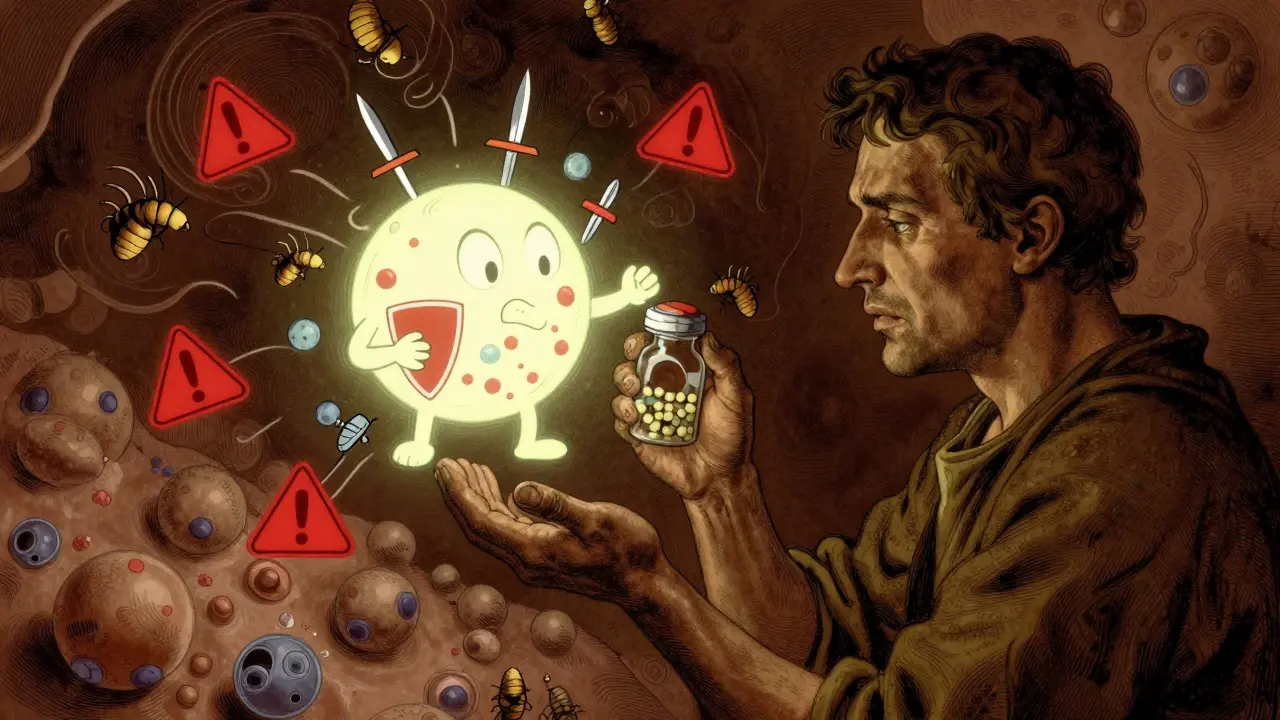
Most people who think they have a drug allergy actually have a side effect. Learn how to tell the difference, avoid unnecessary risks, and stop missing out on the best treatments.
Topical vs. Oral Meds: Systemic Absorption and Safety
Jan, 7 2026
Medications
Bob Bond
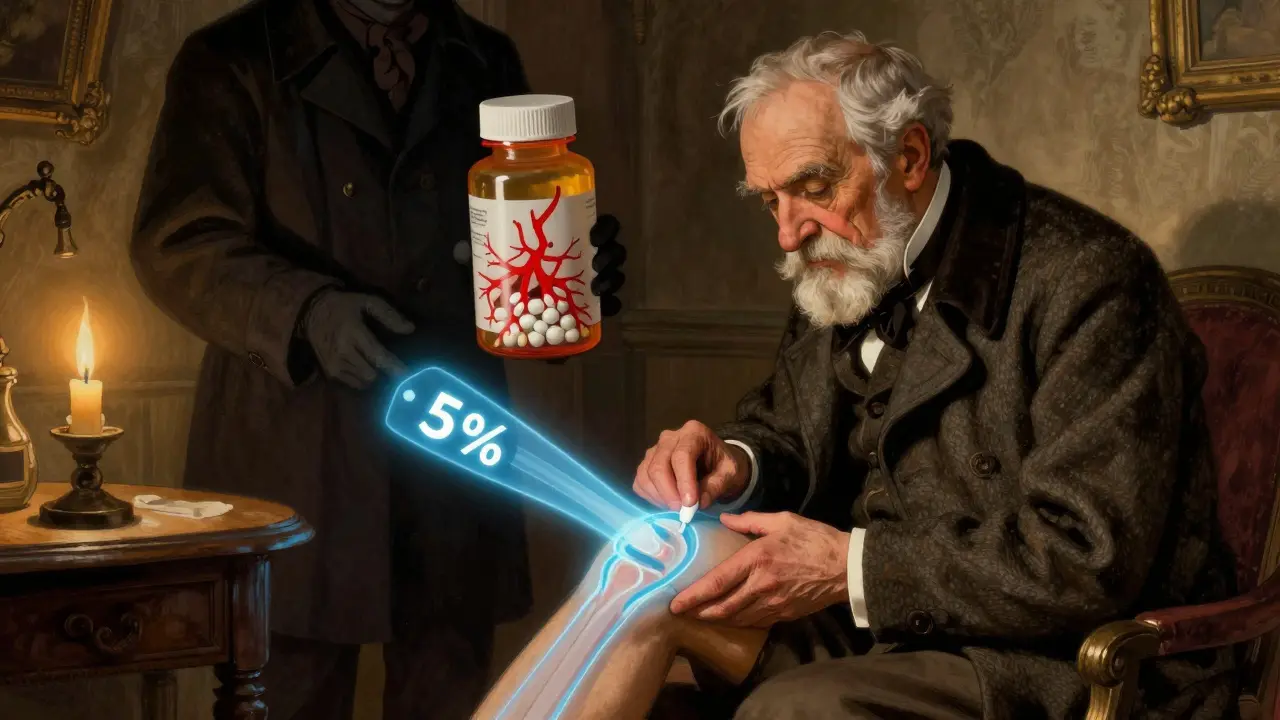
Topical meds deliver pain relief with far less risk than oral NSAIDs. Learn how systemic absorption differs, why topical is safer for localized pain, and when oral is still necessary.
How to Talk to Your Pharmacist About Using Expired Drugs
Dec, 28 2025
Medications
Bob Bond
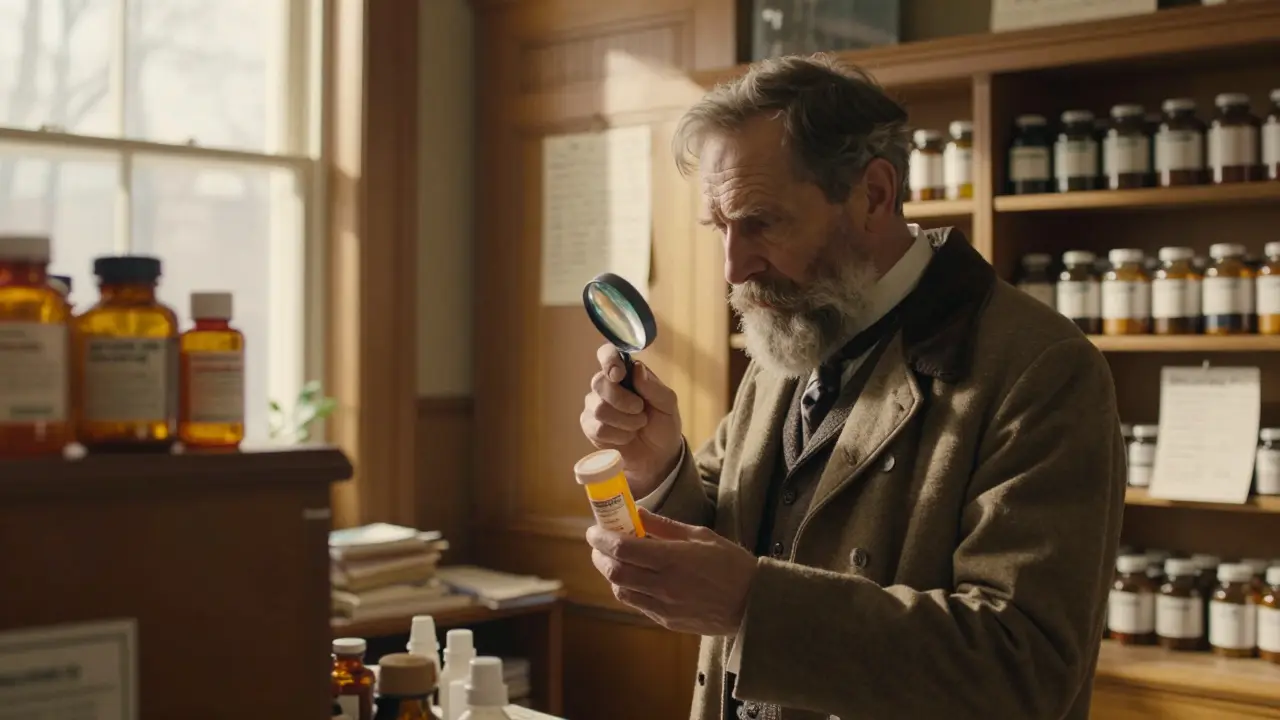
Learn how to safely talk to your pharmacist about expired medications-when it's risky, when it's okay, and how to avoid this problem in the future. Get expert advice on what drugs to never use past their date and how to dispose of them safely.
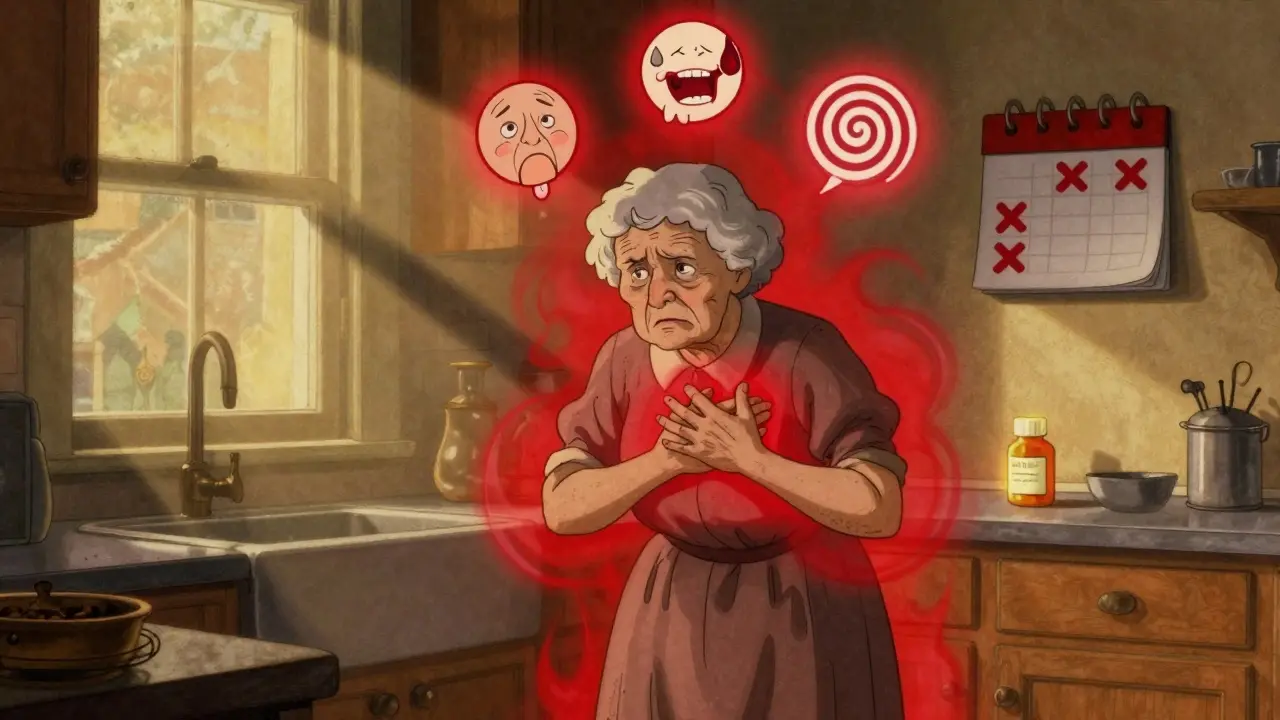
Red Flags: When to Call Your Doctor About a Medication Problem
Dec, 23 2025
Medications
Bob Bond
Learn the real red flags that mean you need to call your doctor right away about a medication problem - and when it’s safe to keep taking your pills. Save lives by knowing the difference.
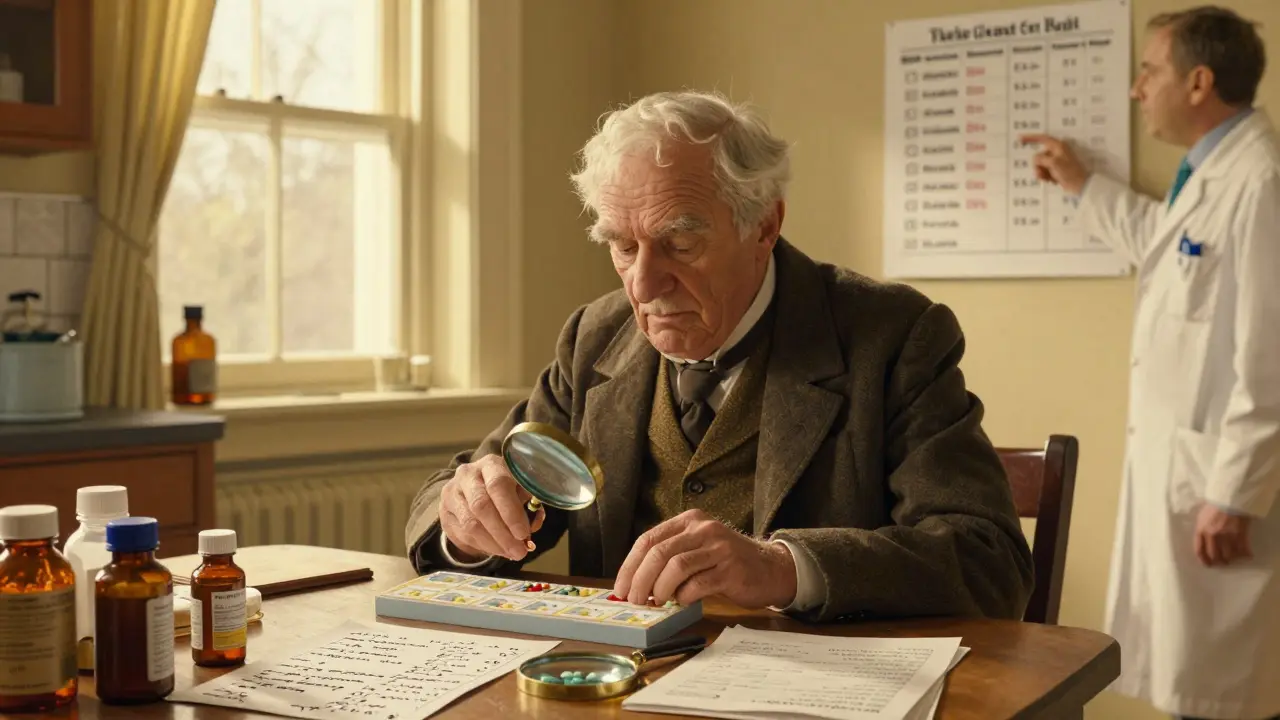
Managing Multiple Medications: How to Reduce Drug Interactions and Stay Safe
Dec, 20 2025
Medications
Bob Bond
Managing multiple medications safely means knowing what you're taking, checking for interactions, and working with your healthcare team to stop unnecessary drugs. Learn how to reduce risks and avoid dangerous drug combinations.
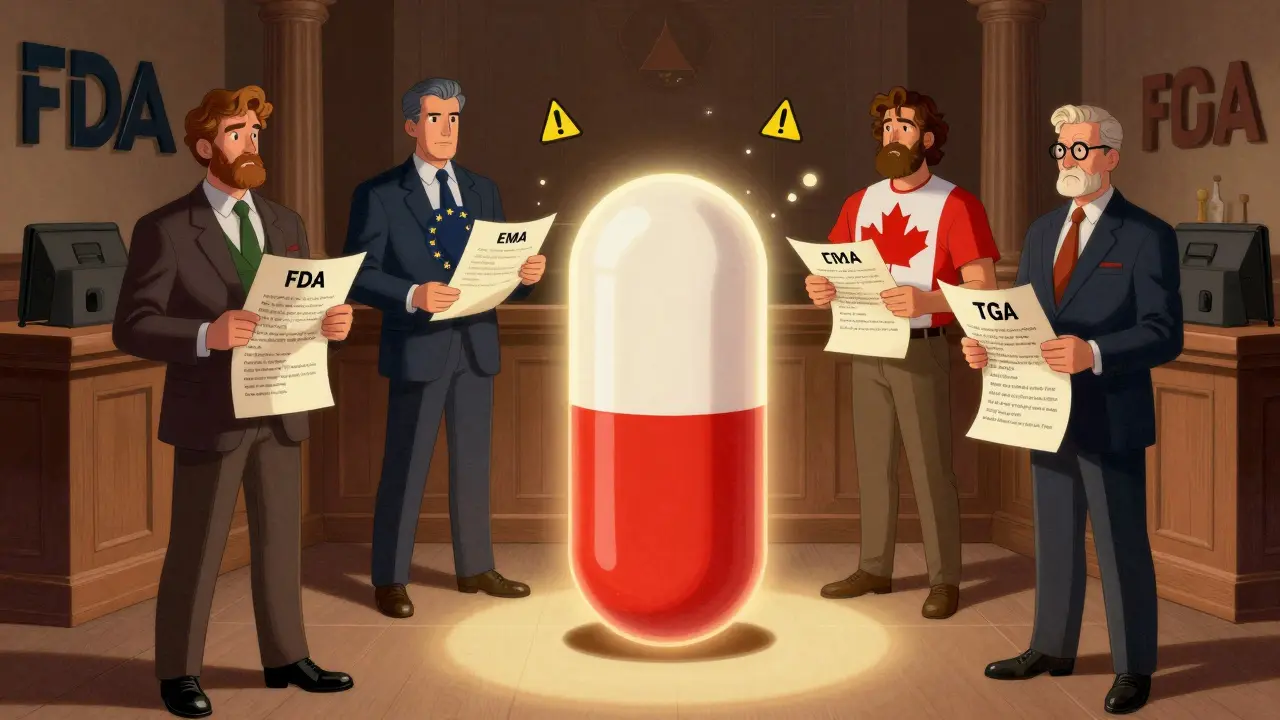
Global Medication Safety: How the U.S., EU, Canada, and Australia Regulate Drugs Differently
Dec, 15 2025
Medications
Bob Bond
Different countries regulate drugs in wildly different ways. The U.S., EU, Canada, and Australia each have unique systems that affect how safe your medications are. Here's how they compare - and why it matters for patients worldwide.
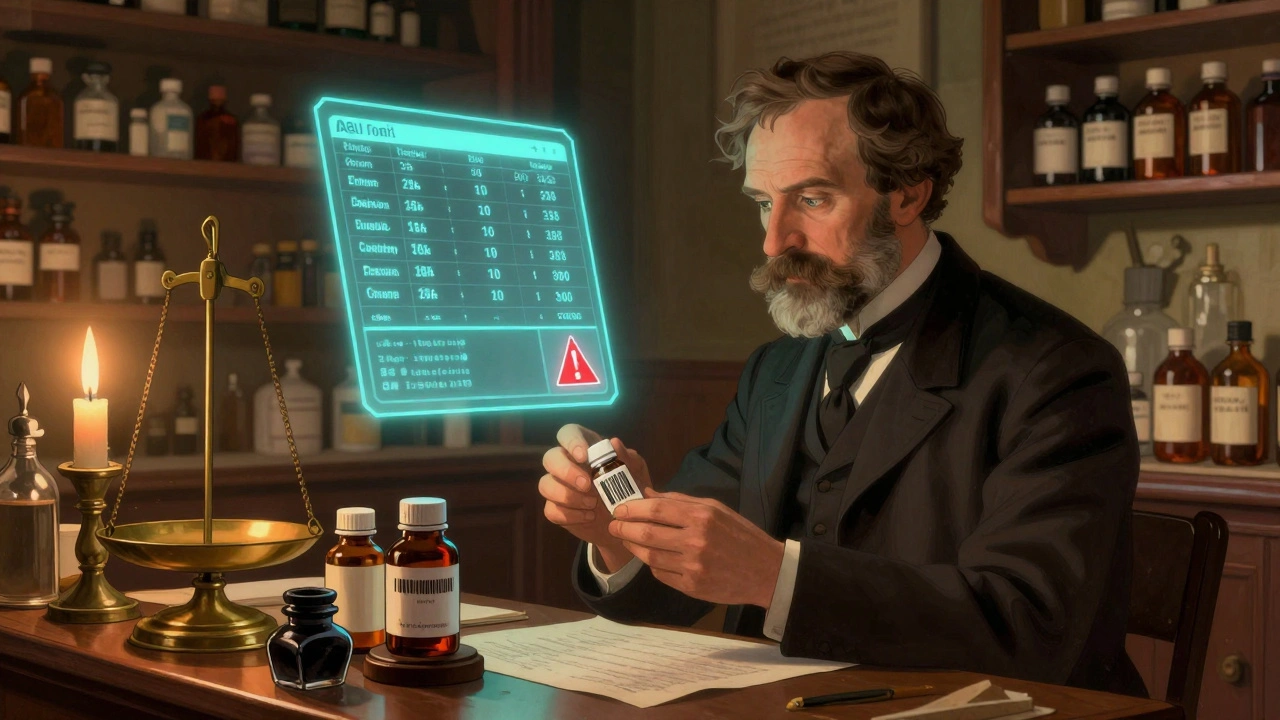
Pharmacy Workflow and Error Prevention Systems Explained
Dec, 12 2025
Medications
Bob Bond
Pharmacy workflow and error prevention systems use barcode scanning, automation, and EHR integration to cut medication errors by up to 80%. Learn how these tools protect patients, save time, and meet safety standards in modern pharmacies.
Post-Marketing Pharmacovigilance: How New Medication Side Effects Are Found

Nov, 20 2025
Medications
Bob Bond
Post-marketing pharmacovigilance catches dangerous side effects that clinical trials miss. Learn how real-world data, AI, and patient reports help uncover hidden drug risks after approval.
